Hearing birds chirping when you are trying to sleep can be surprising. Most people associate birdsong with sunrise, so a sudden chorus at midnight or a few repeated calls at 3 a.m. can make you wonder what is happening.
So, why do birds chirp at night? The answer depends on the bird, season, location, and surrounding environment. Some birds are naturally active after dark, while normally daytime birds may vocalize at unusual hours because of mating behavior, territorial communication, migration, artificial light, or disturbances.
In this guide, we will explore the most common explanations for birds chirping at night, which species are known for nighttime vocalizations, and what those sounds may mean when you hear them around your home.
Content
Why Do Birds Chirp at Night?
Birds may chirp at night for several reasons, including communication, attracting a mate, defending territory, migration, and responding to environmental conditions. Some species are naturally nocturnal, while others can have their normal daily rhythm altered by artificial lighting or disturbances.
It is also important to remember that “chirping” is a broad human description. Birds produce many different vocalizations, including songs, contact calls, alarm calls, and flight calls. What sounds like simple nighttime chirping to us can serve a very specific purpose for the bird.
7 Reasons Birds Chirp at Night
1. Some Birds Are Naturally Active at Night
Not every bird follows the same daily schedule.
Nocturnal birds are adapted to function during darkness. Owls and nightjars are familiar examples, although their sounds may be very different from the cheerful chirping people associate with common daytime birds.
For these species, nocturnal bird sounds are simply part of normal behavior. They may call while hunting, locating another bird, defending an area, or communicating with a mate.
2. They May Be Looking for a Mate
Breeding behavior is another important explanation for nighttime vocalizations.
During breeding periods, male birds often use songs to advertise themselves and communicate with potential mates. A bird that normally seems quiet at night may become much more vocal during a particular season.
Some species can continue singing after sunset, especially when environmental conditions make their calls easy to hear.
3. They Are Defending Their Territory
Birdsong is not always about finding a partner. It can also communicate ownership of an area.
A male may use bird territorial calls to warn other birds that a particular feeding or nesting area is occupied. This behavior can become especially noticeable when another bird is nearby.
This helps explain why bird vocalization can be strongly connected to social behavior rather than simply the amount of daylight.
4. They Are Communicating While Moving or Migrating
Nighttime skies can be much busier than they appear.
Many migratory birds travel after sunset. Cornell researchers use radar and acoustic monitoring to study these movements because huge numbers of birds migrate at night. In one September 2025 observation, BirdCast detected more than 1.2 billion birds migrating south during a single night.
5. Artificial Light Can Keep Birds Active Longer
One of the most interesting explanations for nighttime bird activity is artificial light.
Streetlights, building lights, security lights, illuminated signs, and other sources can make nighttime environments much brighter than they would naturally be.
Research has found that artificial light can alter bird behavior during migration, with migrating birds sometimes gathering around illuminated areas.
6. They May Be Responding to Disturbances
Birds can react to changes in their surroundings.
Traffic, construction, loud music, pets, predators, people moving nearby, sudden lights, and other disturbances can interrupt normal resting behavior.
A bird may produce an alarm call or contact call rather than a typical song. This can sound like random chirping when heard from inside a house.
If the noise happens only occasionally, there may be a temporary disturbance nearby. If it happens every night, look for a consistent environmental trigger such as outdoor lighting, a nesting site, or a regularly active animal.
7. The Time May Be Earlier Than You Think
Sometimes the bird is not actually singing in the middle of the night.
Birds can become active before sunrise, while the sky still appears dark to human eyes. Astronomical and civil twilight gradually change light conditions before the sun becomes visible.
This explains why someone may ask, “why do birds chirp before sunrise?”
Early-rising species can begin vocalizing well before people consider it morning. Recent research also shows that dawn singing varies considerably between species and is influenced by factors such as territoriality and feeding habits.
What Birds Chirp at Night?
The answer varies by region, habitat, and season, but several types of birds are well known for nighttime or pre-dawn vocal activity.
Nightjars and Whip-poor-wills
These birds are strongly associated with nighttime activity. Their distinctive calls can continue after dark when they are feeding or communicating.
Owls
Owls do not usually produce the classic “chirp” people imagine. Depending on the species, they may hoot, whistle, screech, trill, or make other calls.
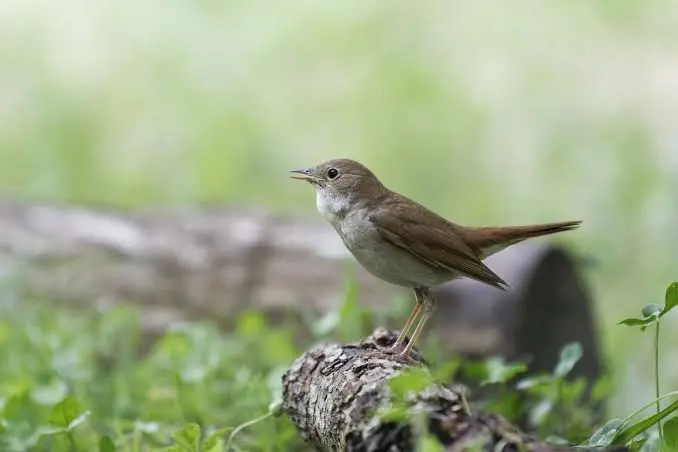
Nightingales
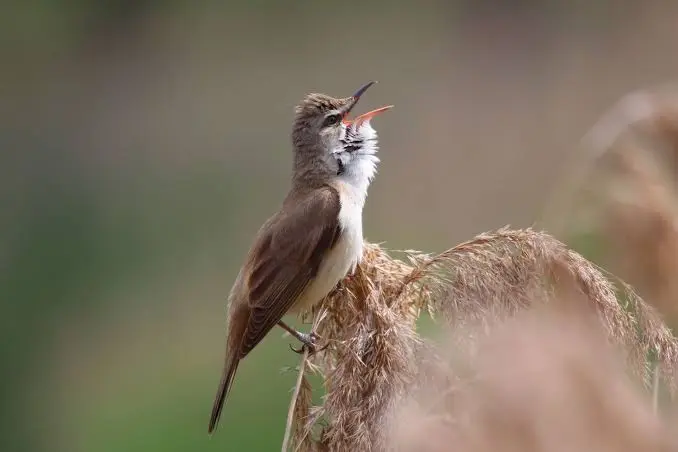
Nightingales are famous for their powerful songs and can sing during nighttime hours, particularly during the breeding season.
Mockingbirds
Northern mockingbirds are well known for their extensive vocal repertoires and can sometimes sing at night, particularly around breeding periods and in environments affected by artificial lighting.
Migrating Songbirds
Some migrating birds produce brief night flight calls while traveling. Modern acoustic monitoring has become an important way of detecting birds that cannot easily be seen in darkness. Cornell researchers note that acoustic monitoring only captures migrants that actually vocalize, meaning many night-flying birds remain acoustically silent.
Why Do Birds Chirp at Night Outside My Window?
If you are hearing birds directly outside your window, several possibilities are worth considering.
First, check whether there is a bright light nearby. A porch light, streetlamp, or illuminated building may be affecting the bird’s normal nighttime environment.
Second, consider the season. Breeding birds can become much more vocal when they are establishing territories or looking for mates.
Third, think about the sound itself. A long, musical sequence is more likely to be a song, while short repeated notes may be contact or alarm calls.
Finally, listen for several nights. The timing and pattern can provide useful clues about what species is making the sound.
Why Do Birds Chirp at 2 AM or 3 AM?
If you have searched “why do birds chirp at 2 am” or “why do birds chirp at 3 am,” you are certainly not alone.
A bird calling at these hours could be a genuinely nocturnal species, a migrant passing overhead, or a daytime species responding to artificial light or another disturbance.
The exact timing matters. If the sound occurs closer to dawn and gradually becomes louder, it may actually be an early-morning vocalization. If it occurs at the same late hour every night, investigate environmental factors around the bird’s location.
In other words, there is no universal “3 a.m. bird.” The species and local conditions matter.
Is It Normal for Birds to Chirp at Night?
Yes, nighttime vocalization can be completely normal.
The key is context. A nocturnal species calling after dark is behaving normally. Migrating birds can also vocalize while traveling. Meanwhile, artificial light and disturbances can cause some normally daytime-active birds to remain active later than usual.
So, hearing birds singing at night does not automatically mean something is wrong.
However, if you notice a bird repeatedly behaving strangely, appearing injured, repeatedly flying into windows, or remaining grounded, that is different from simply hearing a nighttime call.
A Real-Life Case Study: Tracking Invisible Night Migration
A fascinating real-world example comes from Cornell’s BirdCast project.
On September 25, 2025, radar detected more than 1.2 billion migrating birds moving south during a single night. Most of these birds were invisible to people on the ground, yet radar technology revealed the enormous scale of their nighttime movement.
Researchers have also increasingly used microphones to capture night flight calls from birds passing overhead. Cornell field researcher Chris Tessaglia-Hymes describes using a rooftop microphone to record calls during spring and fall migration, effectively creating an audio picture of birds traveling through the night.
This case illustrates an important point: the night may sound quiet to us while being surprisingly active for birds.
Final Thoughts:Why Do Birds Chirp at Night
So, why do birds chirp at night? There is no single answer. Some birds are naturally nocturnal, while others vocalize because of mating, territorial behavior, migration, communication, artificial light, or disturbances.
The next time you hear nocturnal bird sounds outside your window, listen carefully instead of assuming it is unusual. The rhythm, timing, location, and type of call can tell you a great deal.
Looking for more helpful pet care advice? Explore Smart Pets Hub for practical pet care guides, training tips, and interesting articles like ‘Why Do Birds Chirp at Night.
FAQs About Why Birds Chirp at Night
Do birds normally chirp at night?
Yes. Some species naturally vocalize after dark, while others may call because of migration, breeding, light, or disturbances.
Why do birds suddenly chirp at night?
Sudden nighttime calls may result from a predator, another bird, artificial lighting, migration, or a temporary disturbance.
Why do birds chirp at night outside my window?
A nearby nest, outdoor light, breeding behavior, territorial activity, or a nocturnal species could explain the sound.
Why do birds chirp before sunrise?
Some birds become active during twilight and begin their early-morning songs before the sun actually rises.
What birds chirp at night?
Nightjars, whip-poor-wills, nightingales, mockingbirds, owls, and some migrating birds can produce nighttime vocalizations, depending on species and location.

Patrick Bravo takes readers on a heartwarming journey through the world of pet adoption. He champions shelter animals, shares inspiring rescue stories, and encourages families to open their hearts and homes to pets in need.