Thinking about getting your first reptile but want something that is easy to care for? You are not alone. Many new reptile owners want a pet that is fascinating to watch, reasonably easy to handle, and does not require hours of daily work.
If you are searching for the best pet reptile for beginners low maintenance, the leopard gecko is one of the best overall choices. It is relatively small, generally gentle, and has straightforward care requirements when its enclosure is properly prepared. PetMD also lists leopard geckos as beginner-level reptiles and notes that they are sociable and easy to handle.
However, a leopard gecko is not the only option. Crested geckos, corn snakes, bearded dragons, and ball pythons can also be rewarding pets. The right choice depends on your available space, budget, preferred type of pet reptile, and how much care you are prepared to provide.
Content
What Is the Best Pet Reptile for Beginners Low Maintenance?
For many first-time owners, a leopard gecko is an excellent low-maintenance reptile for beginners.
Leopard geckos are terrestrial lizards that generally reach around 6–9 inches as adults. They are also crepuscular, meaning they tend to be most active around dawn and dusk. Their relatively manageable size makes them attractive to people who do not have room for a very large reptile enclosure.
Another advantage is temperament. Properly socialized leopard geckos can tolerate gentle handling, although they should always be handled carefully and allowed time to settle into a new home.
5 Best Low Maintenance Reptiles for Beginners
1. Leopard Gecko
The leopard gecko is my first recommendation for someone looking for the best beginner reptile pet.
These small lizards are interesting without demanding constant attention. They spend much of the day resting or hiding and become more active during the evening. Their calm nature can also make them appealing to first-time owners who want a reptile they can eventually handle gently.
Best for: Beginners wanting a small, relatively easy-to-handle lizard.
2. Crested Gecko
Crested geckos are another excellent option for someone asking, what is the easiest pet reptile to take care of?
These small, tree-dwelling lizards are particularly interesting because they enjoy climbing and jumping. Unlike leopard geckos, they need a taller enclosure with branches, vines, plants, and other climbing opportunities.
Their diet can also be convenient for beginners because nutritionally complete commercial crested-gecko foods are available. They can also be offered appropriate insects as part of a varied diet.
Best for: Beginners who like climbing lizards and prefer a prepared reptile diet.
3. Corn Snake
If you prefer snakes, the corn snake is worth considering.
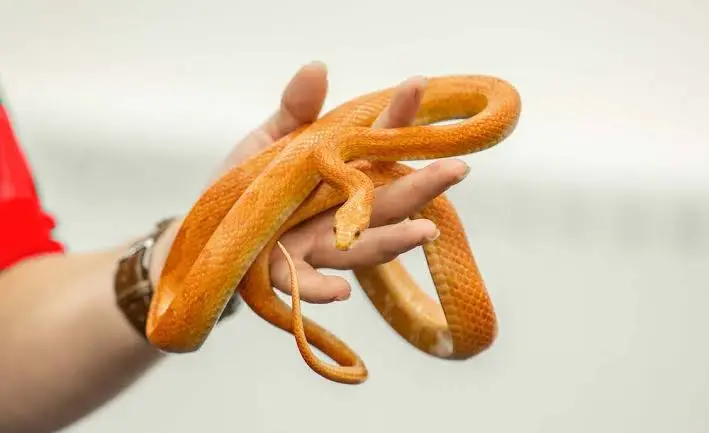
Corn snakes are attractive, active, and fascinating to observe. They can be a good best reptile for a first time owner when the owner is comfortable with snake-specific care and feeding.
Their enclosure must be secure because snakes are excellent escape artists. As the snake grows, its housing needs to accommodate its adult size and provide enough room for natural movement.
Best for: Beginners who specifically want a snake and are comfortable with its feeding routine.
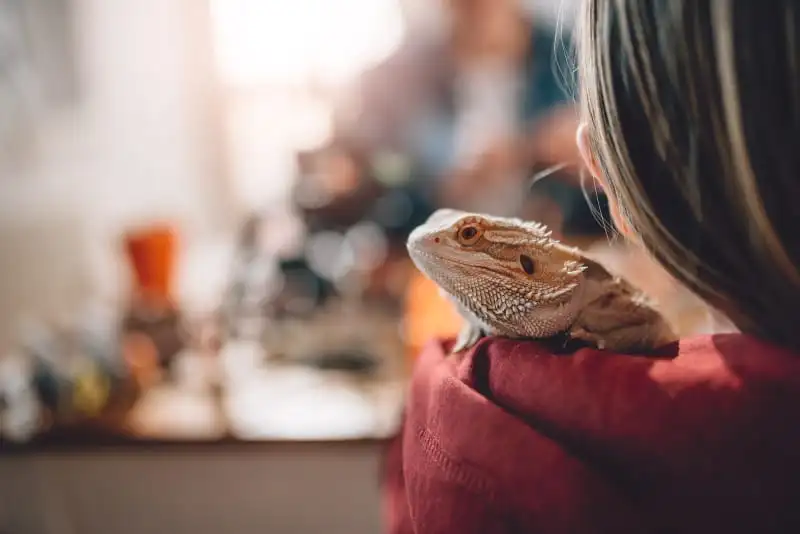
4. Bearded Dragon
Bearded dragons are among the most recognizable pet reptiles. Their friendly appearance and active daytime behavior make them appealing to families and individual owners alike.
They can make excellent beginner reptiles, but I would not put them at the top of a list specifically focused on low maintenance pet reptiles for beginners.
Best for: Owners who have more space and want an active, larger lizard.
5. Ball Python
Ball pythons are popular beginner snakes because of their manageable adult size and generally calm nature.
They can be an appropriate choice for a first-time snake owner, but they require a long-term commitment. Their enclosure must provide suitable environmental conditions, and feeding can sometimes be challenging because individual snakes may occasionally refuse meals.
Best for: Beginners who want a snake and are prepared for long-term ownership.
What Makes a Reptile Low Maintenance?
Before choosing a reptile, it helps to understand what “low maintenance” really means.
Feeding Requirements
Leopard geckos, for example, are insectivores and require suitable feeder insects. Crested geckos can also receive commercially prepared complete diets formulated specifically for their species.
Enclosure Requirements
A reptile that needs a huge enclosure may be more difficult for someone living in a small home.
Leopard geckos are terrestrial and need floor space, while crested geckos are arboreal and benefit from taller enclosures.
Temperature and Humidity
Reptiles cannot simply be kept in a decorative tank and forgotten about. They depend on environmental conditions for normal health and behavior.
For example, leopard geckos need a temperature gradient, while crested geckos require careful humidity management.
Cleaning
Every reptile needs a clean habitat. Daily observation, removal of waste, clean water, and regular deeper cleaning should become part of your routine.
Handling
Not every reptile enjoys being handled. A good beginner pet reptile should be selected according to your expectations. If you want an animal mainly to observe, several reptiles may work well. If handling is important, research temperament and proper handling techniques first.
How to Choose the Right Beginner Reptile
The easiest reptile to own depends on your lifestyle.
How much space do I have?
Measure the area where the enclosure will actually go. Do not choose a species before understanding its adult housing needs.
Do I want a lizard or snake?
Your personal preference matters. There is no point choosing a snake if you are uncomfortable with its feeding requirements.
How much can I spend?
The purchase price is only one part of the cost. You also need to budget for an enclosure, heating, lighting, thermostat, thermometer, substrate, food, supplements, décor, and potential veterinary care.
How much time can I commit?
A reptile may not need constant attention, but it still needs reliable daily care and observation.
Am I ready for a long-term pet?
Many reptiles live for years or even decades with proper care. This should be treated as a long-term responsibility rather than a temporary hobby.
Beginner Reptile Care Essentials
Before bringing your new pet home, prepare its enclosure first.
A basic setup may include:
- An appropriately sized enclosure
- Safe substrate
- Reliable heating
- Appropriate lighting
- Thermometer
- Hygrometer when required
- Hides
- Food and water dishes
- Species-appropriate food
- Calcium and other recommended supplements
- Cleaning supplies
One of the most useful lessons for a new reptile keeper is to set up and test the enclosure before purchasing the animal.
Real-Life Case Study: A Beginner Chooses a Leopard Gecko
Imagine a first-time reptile owner who lives in an apartment and wants a quiet pet that does not need a huge enclosure.
At first, they consider a bearded dragon because it looks friendly and interactive. After researching its space, lighting, heating, and dietary requirements, they realize that the setup is more involved than they expected.
They then compare it with a leopard gecko.
The leopard gecko’s smaller adult size, relatively straightforward habitat, and beginner-friendly temperament make it a better match for their situation. Veterinary guidance also identifies leopard geckos as beginner reptiles and describes them as sociable and easy to handle.
The important lesson is that there is no universal “easiest reptile.” The best choice is the animal whose needs fit your home and routine.
Are Reptiles Really Low Maintenance?

Reptiles can be relatively low maintenance compared with pets that require frequent walks, extensive social interaction, or multiple daily activities.
Once a properly designed enclosure is established, routine care can become predictable. But reptiles still have specialized needs.
A low-maintenance reptile should never mean a neglected reptile.
You still need to:
- Check your pet regularly
- Provide appropriate food and water
- Monitor environmental conditions
- Clean the enclosure
- Watch for changes in behavior
- Arrange veterinary care when needed
Responsible ownership is what makes reptile keeping successful.
Final Thoughts
So, what is the best pet reptile for beginners low maintenance?
For many first-time owners, the leopard gecko is an excellent overall choice. It combines manageable size, a generally gentle temperament, interesting behavior, and relatively straightforward care.
Crested geckos are another good option if you prefer a climbing species and prepared food. Corn snakes and ball pythons are worth considering if you specifically want a snake, while bearded dragons can be rewarding for owners with more space and time.
Explore Smart Pets Hub’s guide to the Best Pet Reptile for Beginners Low Maintenance, with easy care tips, training advice, and more helpful pet information.
FAQs About Best Pet Reptile for Beginners Low Maintenance
What is the easiest reptile for beginners?
A leopard gecko is one of the best beginner options because it is relatively small, generally gentle, and has manageable care requirements.
What is the lowest-maintenance pet reptile?
Leopard geckos and crested geckos are both relatively beginner-friendly, although neither is maintenance-free.
Are leopard geckos good first pets?
A leopard gecko can be a practical choice for limited-space homes, provided its enclosure meets its needs.
What is the best reptile for beginners with limited space?
A leopard gecko can be a practical choice for limited-space homes, provided its enclosure meets its needs.
Are bearded dragons easy for beginners?
They can be, but their larger size and more involved habitat and dietary requirements require more preparation.

Patrick Bravo takes readers on a heartwarming journey through the world of pet adoption. He champions shelter animals, shares inspiring rescue stories, and encourages families to open their hearts and homes to pets in need.