If you have ever watched a horse quietly graze in a field and wondered whether you could keep one as a companion, you are not alone. Horses are intelligent, social, beautiful animals that can form strong relationships with people. But unlike a dog or cat, a horse comes with very different daily responsibilities.
So, are horses good pets? Yes, they can be wonderful companions for the right owner. However, horse ownership requires space, money, time, proper nutrition, regular health care, and a commitment to their welfare for many years.
Before bringing one home, it helps to understand what life with a horse is really like. In this guide, we will look at the benefits, challenges, daily responsibilities, costs, and practical considerations that every future horse owner should know.
Content
Are Horses Good Pets?
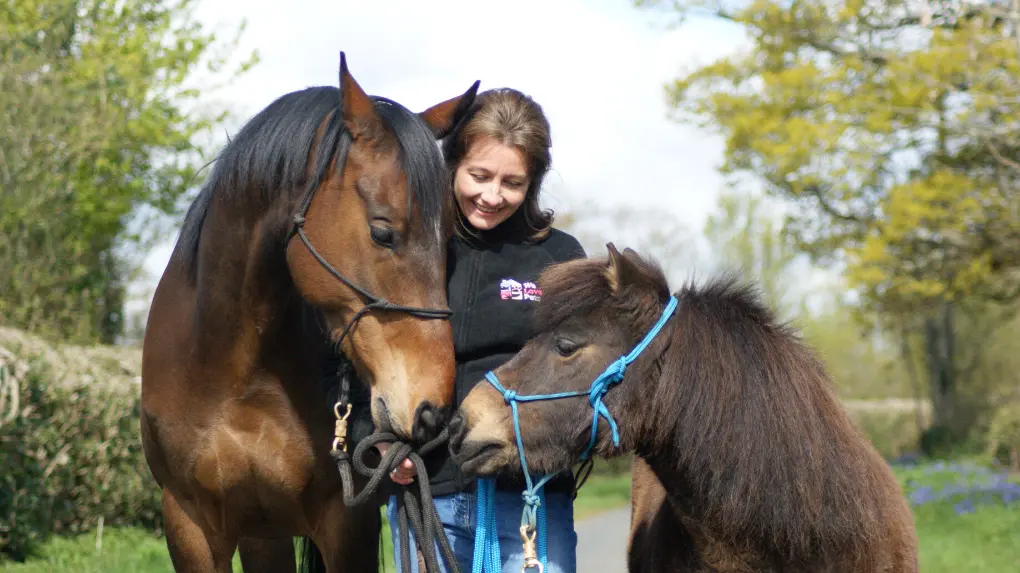
Horses can make excellent companion animals when their physical, social, and behavioral needs are properly met. They are intelligent, responsive, and capable of developing trust with people through consistent handling and positive experiences.
However, horses are not low-maintenance pets. They need appropriate horse housing, nutritious food, clean water, safe fencing, exercise, grooming, hoof care, and veterinary attention. They also have natural needs for movement, foraging, and social interaction.
In other words, owning a horse is closer to taking responsibility for a large companion animal or small livestock animal than simply having another household pet.
For someone who has enough space and genuinely enjoys spending time with horses, the relationship can be incredibly rewarding.
What Makes Horses Good Pets?
One of the biggest advantages of horses as pets is the relationship that can develop between the animal and owner.
A horse may learn your routine, recognize your voice, become comfortable being handled, and respond to subtle changes in your body language. Building this relationship takes patience, but that is also part of the enjoyment of horse ownership.
Here are some benefits of having a horse as a companion:
- Strong companionship: Horses are social animals and can form meaningful bonds with people.
- Outdoor activity: Caring for and exercising a horse encourages you to spend time outside.
- Learning opportunities: Horse ownership can teach patience, observation, responsibility, and practical animal-care skills.
- Recreation: Riding, groundwork, trail activities, and training can become enjoyable hobbies.
- Personal connection: Many owners value the trust and communication developed through regular handling.
What Do Horses Need as Pets?
Understanding what do horses need as pets is essential before making a purchase or adoption decision.
1. Adequate Space and Shelter
Horses need enough room to move naturally, rest comfortably, and exercise. The exact amount of land depends on pasture quality, management, climate, horse size, and whether additional turnout areas are available.
A dry-lot system, for example, may require at least 400 square feet per average-sized horse, excluding space for shelters, feeders, and water sources.
Shelter is also important. Horses should have protection from severe weather, including excessive heat, wind, rain, and extreme cold.
2. Good Nutrition
Horse feeding should be based on the animal’s individual nutritional requirements rather than simply giving it grain.
Forage such as quality hay or suitable pasture should form an important part of the diet. University of Minnesota Extension notes that forage should make up at least 50% of a horse’s diet and that many adult horses consume around 2% of their body weight in feed each day, although individual requirements vary.
Clean water must always be available. An adult horse can need substantial quantities of water each day, with requirements changing according to weather, diet, workload, and health.
3. Regular Grooming
Horse grooming is not just about making an animal look clean. Brushing gives owners an opportunity to check the horse’s skin, coat, legs, hooves, and overall condition.
Regular grooming can also become a bonding activity. A horse that learns to associate calm grooming with positive experiences may become easier and safer to handle.
4. Hoof and Veterinary Care
Hoof care is another essential part of horse maintenance. Horses commonly need regular trimming or shoeing according to their individual needs. One extension source notes that many horses require trimming approximately every five to eight weeks, although schedules vary.
Routine veterinary care, vaccinations, dental care, parasite management, and emergency planning should also be part of responsible ownership. Preventive care can help identify health problems earlier and may reduce avoidable expenses.
How Much Does It Cost to Keep a Horse as a Pet?
If you are wondering how much does it cost to keep a horse as a pet, there is no single answer. Costs vary considerably depending on location, boarding arrangements, feed prices, veterinary needs, riding activities, and the facilities available.
Common expenses include:
- Purchase or adoption costs
- Boarding or land maintenance
- Hay and pasture management
- Grain or supplements when needed
- Veterinary care
- Vaccinations and dental care
- Farrier services
- Grooming supplies
- Fencing and shelter
- Tack and riding equipment
- Emergency medical expenses
As one example, the University of Minnesota Extension estimates basic ownership costs for a healthy horse at around $6,500 per year, while emphasizing that actual expenses can vary widely.
Are Horses Good Pets for Beginners?
Are horses good pets for beginners? They can be, but choosing the right horse and having experienced support makes a huge difference.
A first-time owner should not select a horse solely because it looks beautiful or because it is inexpensive. Temperament, age, training history, health, and the owner’s experience should all be considered.
A calm, well-trained horse may be a much better choice for a beginner than a young, inexperienced, highly energetic horse.
If you have never owned a horse, consider taking riding or groundwork lessons first. Spending time at a reputable stable can teach you about feeding, grooming, handling, cleaning, hoof care, and basic horse behavior before you take on full ownership.
Pros and Cons of Keeping Horses as Pets
Before deciding whether can horses be kept as pets, look honestly at both sides.
Pros
- Horses can develop strong bonds with their owners.
- They provide companionship and outdoor activity.
- They can be rewarding to train and care for.
- Horse ownership can become a fulfilling long-term hobby.
- They encourage owners to learn about animal behavior and welfare.
Cons
- They require significant daily care.
- They need considerably more space than common household pets.
- Food, housing, veterinary, and hoof-care expenses can be substantial.
- Emergency medical bills can be expensive.
- Their care continues even when you are busy, traveling, or dealing with bad weather.
This is why are horses easy to care for as pets is a slightly misleading question. Basic routines can become manageable with experience, but the overall responsibility remains significant.
Real-Life Case Study: Reconnecting With Horses
A useful example comes from a 2026 University of Minnesota Extension profile of journalist Jill Burcum. She had horses and riding as an important part of her childhood, but family and career circumstances eventually took her away from horse ownership. Years later, volunteering with her daughter at a stable helped reconnect her with that experience and brought back memories of how meaningful horses had been in her life.
Her experience highlights something important about horse companionship: owning a horse is not the only way to build a relationship with horses.
For someone who loves horses but cannot currently provide full-time care, volunteering, taking lessons, leasing a horse, or helping at a stable may be a better starting point than immediately becoming an owner.
What to Consider Before Getting a Pet Horse
Before bringing a horse home, ask yourself:
- Do I have enough safe space?
- Can I afford routine and emergency care?
- Who will care for the horse when I travel?
- Do I have access to a qualified veterinarian and farrier?
- Do I understand basic horse behavior?
- Can I provide appropriate food, water, shelter, and exercise every day?
- Am I prepared for a long-term commitment?
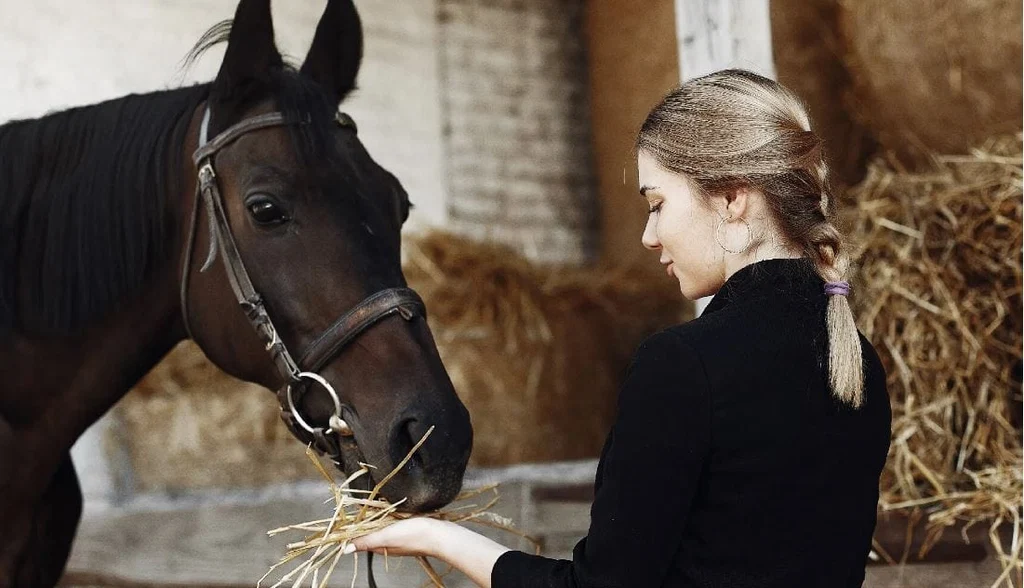
Think beyond the excitement of buying the horse. Responsible horse ownership means planning for ordinary days as well as unexpected illness, injury, changing finances, and aging.
Final Thoughts
So, what is it like to have a horse as a pet? It can be deeply rewarding, but it is also a serious responsibility. Horses offer companionship, recreation, and a unique opportunity to build trust with an intelligent animal.
The best owners understand that a horse’s needs come before convenience. Good horse care means providing appropriate food, water, shelter, movement, social interaction, grooming, hoof care, and professional health support.
If you have the time, resources, space, and willingness to learn, a horse can become much more than a pet. It can become a trusted companion and an important part of your everyday life.
Explore Smart Pets Hub’s guide on Are Horses Good Pets?, with horse care tips, training advice, ownership guides, and more helpful pet information.
FAQs About Are Horses Good Pets?
Are horses good pets for families?
They can be, but children should always interact with horses under appropriate adult supervision and guidance.
How much space does a pet horse need?
Space requirements vary, but horses need safe turnout, movement, shelter, and appropriate pasture or dry-lot management.
What are the best horse breeds for pets?
Breed is less important than temperament, training, health, size, and whether the horse matches the owner’s experience.
How to take care of a horse as a pet?
Provide suitable food, clean water, shelter, exercise, grooming, hoof care, veterinary care, and safe social conditions.
What are the pros and cons of keeping horses as pets?
The main benefits are companionship and recreation; the biggest challenges are space, time, daily care, and ongoing expenses.

Patrick Bravo takes readers on a heartwarming journey through the world of pet adoption. He champions shelter animals, shares inspiring rescue stories, and encourages families to open their hearts and homes to pets in need.