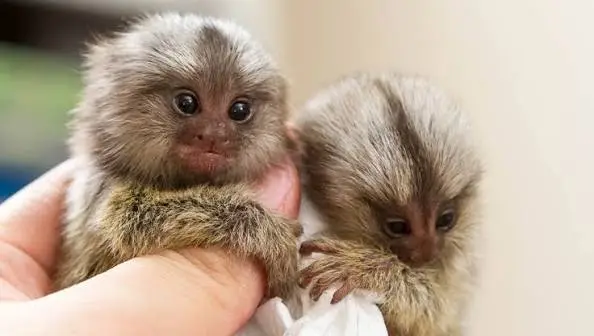
Marmosets are among the smallest and most fascinating primates in the world. Their tiny size, expressive faces, and playful behavior can make Marmoset Monkey pets look like an exciting choice for animal lovers. However, owning a marmoset is very different from caring for a cat, dog, rabbit, or other domesticated companion.
Before considering Marmoset Monkey pets, it is important to understand their social, dietary, housing, behavioral, and veterinary needs. Marmosets are highly social wild animals that require specialized care, and several animal-welfare organizations advise against keeping them as household pets.
So, are marmosets suitable for beginners? In most situations, the answer is no. Here is why.
Content
What Is a Marmoset Monkey?
Marmosets are small New World primates native to South America. Common marmosets live in family groups and spend much of their lives in trees, where they climb, leap, forage, communicate, and socialize.
Their natural lifestyle explains why Marmoset Monkey pets have such complex requirements. A small body does not mean a simple animal. They are intelligent, active, and behaviorally sophisticated.
In the wild, marmosets commonly live in social groups rather than alone. Their daily lives involve grooming, playing, vocal communication, feeding, and cooperative family interactions.
Are Marmoset Monkey Pets Suitable for First-Time Owners?
If you are wondering “are marmoset monkeys good pets?”, it is important to look beyond their appearance.
The biggest problem for beginners is that Marmoset Monkey pets are not domesticated animals. They retain natural behaviors and requirements that can be difficult to reproduce in a home.
For example, experienced owners must consider:
- Specialized nutrition
- Large, complex housing
- Social companionship
- Daily enrichment
- Veterinary care from an experienced exotic-animal professional
- Temperature and environmental requirements
- Cleaning and maintenance
- Long-term financial responsibility
- Local ownership regulations
The University of Stirling’s marmoset-care guidance specifically states that marmosets have complex physical and social requirements that are very difficult to meet in a home environment.
Therefore, someone asking “are marmoset monkeys easy to take care of?” should understand that their small size can be misleading.
Understanding Marmoset Monkey Behavior
One of the most important aspects of Marmoset Monkey pets is their social nature.
Marmosets benefit greatly from living with compatible members of their own species. Social housing allows them to perform natural behaviors such as grooming, playing, resting together, and communicating. Human attention cannot completely replace these relationships.
Their intelligence can also become a challenge. A bored marmoset may develop unwanted behaviors when its environment does not provide enough stimulation.
That means marmoset monkey behavior should never be viewed simply as cute entertainment. Owners need to understand vocalization, territorial behavior, scent marking, social relationships, and changes that can occur as the animal matures.
What Do Marmoset Monkey Pets Eat?
Diet is another major consideration. In nature, marmosets consume a varied diet that can include fruit, insects, plant material, and tree gums or other natural foods depending on species and habitat.
A suitable marmoset monkey diet requires more planning than giving an animal ordinary fruits or commercial pet food.
Specialist care guidance notes that marmosets need carefully managed nutrition and supplements, including vitamin D3, to help prevent nutritional disease. Feeding should also occur multiple times throughout the day and encourage natural foraging behaviors.
So, if you are searching for what do marmoset monkeys eat as pets, avoid assuming that a simple fruit-based diet is sufficient. Nutrition should be developed with an experienced veterinarian or qualified primate-care professional.
How Much Space Do Marmosets Need?
Another misconception is that Marmoset Monkey pets can comfortably live in a small indoor cage because they are tiny.
Marmosets are arboreal animals. Their environment needs climbing structures, elevated resting areas, hiding places, and opportunities to move vertically. Specialist guidance recommends complex walk-in-style enclosures and emphasizes that insufficient space can create serious welfare problems.
A suitable marmoset monkey habitat should encourage climbing, jumping, exploration, and foraging rather than simply providing a place to sleep.
Temperature and environmental management are also important because marmosets are tropical animals.
Do Marmoset Monkey Pets Need Companionship?
Yes. Social companionship is one of the most important factors when considering Marmoset Monkey pets.
Marmosets naturally live in family groups. Guidance from specialist marmoset-care resources recommends social housing and explains that single housing should generally be avoided except when necessary for veterinary or other specialist reasons.
This creates a difficult responsibility for a prospective owner. Buying one tiny monkey because it seems easier may actually create a serious welfare problem.
If you are researching marmoset social needs, this is one area where professional advice should be taken seriously before making any ownership decision.
Veterinary and Health Considerations
Finding a veterinarian should happen before, not after, bringing an animal home.
Marmosets can experience health problems related to nutrition, stress, housing, and husbandry. Veterinary literature also identifies relationships between husbandry, diet, housing density, and gastrointestinal health in common marmosets.
Potential owners should therefore ask:
- Is there a veterinarian experienced with primates nearby?
- Can I afford specialist veterinary treatment?
- Is emergency care available?
- Can I provide appropriate preventive care?
- Do I understand the animal’s nutritional requirements?
These questions are essential when evaluating marmoset monkey health.
Real-Life Case Study: What Owners Often Underestimate
A recent discussion from an owner with legally authorized marmosets provides a useful real-world example. The owner explained that the animals require at least two compatible marmosets, extensive daily attention, fresh and nutritionally complete food, appropriate UV exposure, constant enrichment, climbing opportunities, and a large enclosure that requires regular cleaning.
This is only one owner’s experience rather than scientific evidence, but it illustrates an important point: Marmoset Monkey pets can require a lifestyle built around their care.
The owner also noted that working from home made it easier to spend many hours around the animals. For a person who works long shifts outside the home, the same arrangement could be much more difficult.
Are Marmoset Monkey Pets Legal to Own?
Before researching breeders or prices, check the laws where you live.
Rules governing primate ownership can vary significantly between countries, states, provinces, counties, and municipalities. In some locations, private primate ownership is prohibited; elsewhere, permits or specific conditions may apply.
Never assume that an online seller’s claim that Marmoset Monkey pets are “legal everywhere” is accurate.
Contact the relevant wildlife, animal-control, or environmental authority in your jurisdiction and verify the requirements yourself.
How Much Do Marmoset Monkey Pets Cost?
The purchase price is only one part of the financial commitment.
The true cost can include:
- Specialized enclosure construction
- Heating and environmental management
- Food and supplements
- Enrichment equipment
- Veterinary examinations
- Emergency treatment
- Cleaning supplies
- Transportation
- Permits where required
For this reason, asking only “how much does a pet marmoset monkey cost?” does not provide a realistic picture of ownership.
A better question is: Can I financially support this animal’s specialized needs for its entire life?
Pros and Cons of Marmoset Monkey Pets
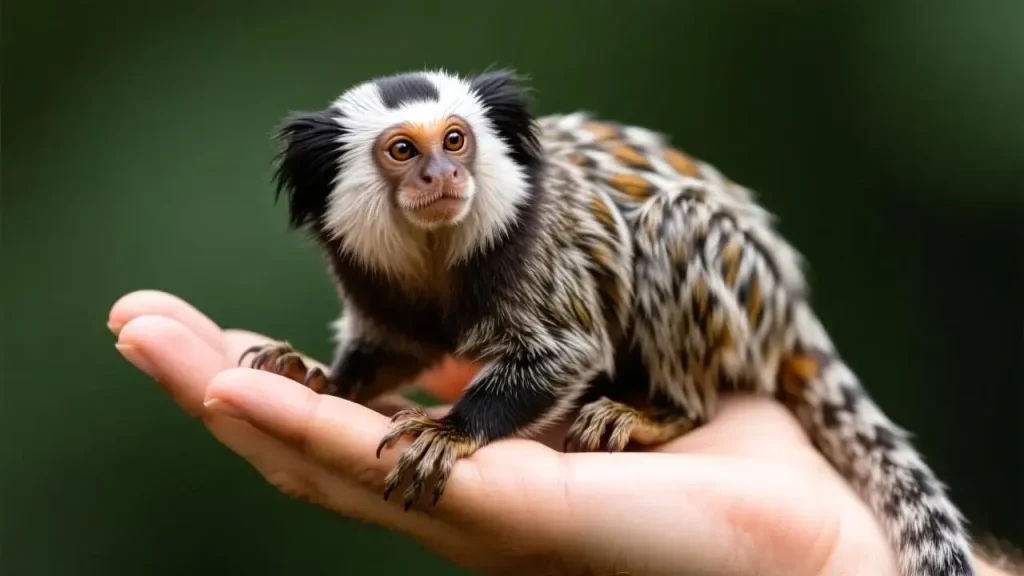
There are certainly appealing characteristics. Marmosets are intelligent, active, visually fascinating, and full of interesting natural behaviors.
However, the disadvantages are substantial.
Potential positives:
- Highly intelligent and curious
- Interesting social behavior
- Small compared with many primates
- Fascinating natural behaviors
Major challenges:
- Complex social requirements
- Specialized diet
- Large and enriched housing
- Veterinary challenges
- Potential behavioral difficulties
- Significant financial and time commitments
- Legal restrictions in some areas
The WWF rates common marmosets as high risk from an animal-welfare perspective because their care, diet, and housing requirements are extremely difficult to meet throughout their lives.
Final Verdict
For most first-time exotic-animal owners, Marmoset Monkey pets are not a good beginner choice.
Their tiny size makes them attractive, but their needs are anything but tiny. They require appropriate social relationships, specialized nutrition, complex environments, enrichment, expert veterinary care, and a major long-term commitment.
If you are interested in primates, learning about them through reputable sanctuaries, conservation organizations, educational programs, or professional facilities may be a more responsible way to appreciate these remarkable animals.
Smart Pets Hub helps pet lovers understand the unique needs of exotic animals, including pet monkeys. Explore our informative guide to marmoset monkeys, their care, behavior, diet, housing, and the responsibilities of keeping a pet monkey.
FAQs About Marmoset Monkey Pets
Are marmoset monkeys good pets for beginners?
Generally, no. Their specialized social, dietary, housing, behavioral, and veterinary requirements make them challenging for inexperienced owners.
How long do marmoset monkeys live as pets?
Common marmosets can live substantially longer in captivity than in the wild, making ownership a long-term commitment.
What do you need to keep a marmoset monkey?
They require appropriate social companionship, complex climbing housing, specialized nutrition, enrichment, expert veterinary care, and suitable environmental conditions
Are marmoset monkeys difficult to keep as pets?
Common marmosets can live substantially longer in captivity than in the wild, making ownership a long-term commitment.
Can marmoset monkeys be kept as house pets?
Although private ownership may be legally possible in some places, specialist welfare guidance advises that typical homes are generally unsuitable for meeting their needs.

Patrick Bravo takes readers on a heartwarming journey through the world of pet adoption. He champions shelter animals, shares inspiring rescue stories, and encourages families to open their hearts and homes to pets in need.