Bringing home your first cat is exciting, but choosing the right one can feel surprisingly difficult. Every cat has its own personality, and the breed that looks perfect in a photo may not always match your lifestyle. For new owners, the best choice is usually a cat that is adaptable, manageable, friendly, and comfortable with your daily routine.
So, what are the best cat breeds for first-time owners? American Shorthairs, British Shorthairs, Ragdolls, Russian Blues, and Birmans are worth considering because they can offer a combination of manageable care, pleasant temperaments, and adaptability. However, breed is only part of the decision. Age, individual personality, grooming needs, activity level, and your home environment matter too.
Content
What Makes a Cat Good for a First-Time Owner?
The best beginner cat owner is not necessarily the quietest or most independent breed. Instead, look for a cat whose needs match the time, space, and attention you can realistically provide.
Here are some important factors to consider:
- Temperament: Friendly, confident, and adaptable cats can be easier for beginners.
- Grooming: Short-haired cats often require less daily coat maintenance.
- Activity level: A moderately active cat may be easier to manage than a highly demanding breed.
- Social needs: Consider how much companionship the cat expects.
- Living space: Some cats adapt particularly well to indoor or apartment living.
- Family compatibility: If you have children or other pets, temperament becomes especially important.
In my experience, new owners often focus too much on appearance. A better approach is to ask, “What kind of companion fits my everyday life?”
What Are the Best Cat Breeds for First-Time Owners?
1. American Shorthair
The American Shorthair is one of the strongest choices for people looking for beginner-friendly cat breeds. These cats are generally described as easygoing, adaptable, and patient, making them suitable for a variety of households.
The Cat Fanciers’ Association describes the breed as self-sufficient and easygoing, with a reputation for getting along well with other pets.
Their short coat is another advantage for beginners because grooming is relatively straightforward. They can also be playful without necessarily demanding constant entertainment.
Best for: Families, individuals, and owners who want a balanced companion.
2. British Shorthair
If your idea of the perfect cat breeds is calm and independent, the British Shorthair deserves a place on your list. These cats are known for their distinctive round appearance and relaxed personality.
The CFA notes that British Shorthairs take an interest in their owners’ activities and can show affection toward family members rather than focusing exclusively on one person.
They can be a good option for people who work during the day and want a companion that does not need constant attention.
One important point: “low maintenance” does not mean “no maintenance.” Their dense coat still benefits from regular grooming, and every cat breeds needs proper nutrition, enrichment, veterinary care, and attention.
Best for: Busy households and owners who prefer calm, independent cats.
3. Ragdoll
Looking for affectionate cat breeds? The Ragdoll is worth considering. These cats are widely appreciated for their gentle, people-oriented personalities.
A Ragdoll can suit an owner who wants a cat that enjoys spending time with people rather than remaining completely independent. They may also work well for families looking for a gentle companion.
However, their longer coat means you should be prepared for more grooming than you would typically expect from a short-haired breed.
Best for: People who want a social, affectionate companion and have time for coat care.
4. Russian Blue
The Russian Blue can appeal to first-time owners who prefer a quieter household. The breed has a dense coat that generally needs limited grooming, and the CFA describes Russian Blues as intelligent and affectionate.
They can be more reserved than some highly outgoing breeds, so give a new Russian Blue time to become comfortable with its surroundings.
This is a good reminder that “friendly” does not always mean “constantly demanding attention.” Some owners prefer a cat that forms a close bond while still enjoying its own space.
Best for: Quiet homes and owners who appreciate an intelligent, somewhat reserved companion.
5. Birman
The Birman is another option for people searching for friendly cat breeds. Birmans are known for their attractive appearance and generally gentle, social nature.
They can be a nice middle ground for someone who wants an affectionate cat without necessarily choosing an extremely demanding personality.
As with any long-haired cat, however, prospective owners should understand the grooming commitment before bringing one home.
Best for: Families and individuals wanting a sociable indoor companion.
6. Domestic Shorthair
One of the most overlooked options for beginners is the Domestic Shorthair. Technically, this isn’t a single breed but a broad category of mixed-breed cats.
Why consider one? You can often find adult cats through shelters and rescues whose personalities are already well established. That can make it easier to choose a cat based on actual behavior rather than relying primarily on typical breed characteristics.
For many first-time owners, this can be an excellent route. You may discover a calm, affectionate adult cat that already uses a litter box and is comfortable around people.
How Do You Choose the Right Cat for Your Lifestyle?
The best cat breeds for first-time owners will vary from person to person.
If you live in an apartment, prioritize a cat that can comfortably live indoors and receives enough mental and physical enrichment. If you work long hours, an extremely attention-demanding cat may not be your best match.
Families with young children should look for a cat with a suitable temperament and teach children how to interact respectfully with animals. If you already have another pet, ask a shelter, rescue, or reputable breeder about compatibility.
Most importantly, don’t assume that every cat within a breed behaves exactly the same way. Individual personality matters.
Best Low-Maintenance Cats for Beginners: What Does “Low Maintenance” Really Mean?
When people search for the best low-maintenance cats for beginners, they often imagine a pet that can take care of itself.
That’s not realistic.
Cats still need quality food, fresh water, a clean litter box, playtime, environmental enrichment, routine veterinary care, and attention. Even a short-haired cat benefits from grooming and regular health checks.
The real advantage of a low-maintenance cat is that some aspects of care—particularly grooming or exercise requirements—may be easier to manage.
A cat owner should never be selected simply because it requires less work. You are still making a long-term commitment.
A Real-World Case: Why Personality Matching Matters
A useful real-world example comes from Pasadena Humane’s experience with a seven-year-old cat named Art. Art was described as an affectionate “Velcro kitty,” but his energetic behavior, including play biting and swatting, proved too challenging for his first adopter. He was eventually adopted by a family with more experience with spirited cats.
The lesson is important for first-time owners: a friendly cat isn’t automatically the right cat for every household.
A very affectionate or energetic animal can be wonderful for one family and overwhelming for another. When choosing a cat, think about personality compatibility rather than simply asking which breed is considered the “best.”
Essential Cat Care Tips for Beginners
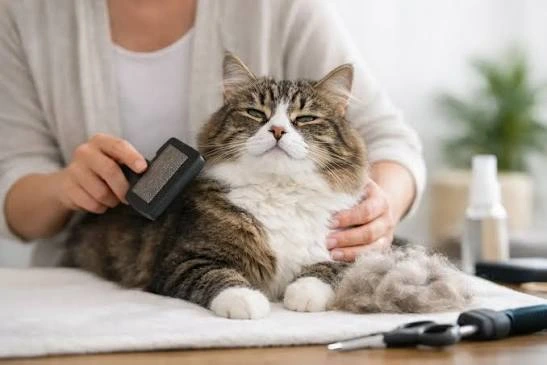
Once you bring your cat home, focus on establishing a predictable routine.
Provide:
- High-quality food appropriate for your cat’s age and needs.
- Fresh water every day.
- A clean, easily accessible litter box.
- Scratching surfaces and safe toys.
- Comfortable sleeping and hiding areas.
- Regular grooming appropriate to the coat.
- Routine veterinary examinations and preventive care.
For cat care for beginners, consistency is often more important than buying every product on the market. A safe home, good nutrition, enrichment, and regular veterinary attention form the foundation of responsible ownership.
Final Thoughts
Choosing among the best cat breeds for first-time owners is less about finding one universally perfect breed and more about finding the right personality for your home. American Shorthairs can offer a balanced temperament, British Shorthairs may suit owners who prefer independence, while Ragdolls and Birmans can appeal to people wanting more companionship.
Before making your decision, consider your schedule, living environment, grooming preferences, family members, and experience level. And don’t overlook adoption: sometimes the best first cat isn’t a particular breed at all, but an individual adult cat whose personality is already a perfect match for you.
Explore Smart Pets Hub’s guide to the Best Cat Breeds for First-Time Owners, with easy cat care tips, training advice, breed guides, and more pet information.
FAQs About Best Cat Breeds for First-Time Owners
What cat breed is best for a first-time owner?
American Shorthairs, British Shorthairs, Ragdolls, Russian Blues, and Birmans can all be good choices, depending on the owner’s lifestyle and preferences.
Which cat breeds are best for first-time owners?
The best choice depends on temperament, grooming, activity level, living space, and how much interaction you can provide.
What is the easiest cat breed for beginners?
American Shorthairs and British Shorthairs are often appealing to beginners because of their adaptable and manageable characteristics.
Are low-maintenance cats good for beginners?
Yes, but every cat still requires daily care, enrichment, proper nutrition, and veterinary attention.
Should a first-time owner get a kitten or adult cat?
An adult cat can sometimes be easier because its personality and energy level are already more established. Kittens require significant time, supervision, and socialization.

Patrick Bravo takes readers on a heartwarming journey through the world of pet adoption. He champions shelter animals, shares inspiring rescue stories, and encourages families to open their hearts and homes to pets in need.