Bringing home a kitten is exciting, but keeping up with early veterinary care can feel confusing. One of the most important parts of that care is knowing when your kitten needs vaccines and which diseases those vaccines help prevent.
A Kitten Vaccination Schedule usually involves several visits during the first few months of life because maternal antibodies can interfere with a kitten’s immune response. Current feline vaccination guidelines recommend repeated core vaccinations at intervals of roughly 3–4 weeks through the later kitten period, depending on the vaccine and the individual kitten.
The exact plan should always be determined by your veterinarian based on your kitten’s age, health, lifestyle, previous vaccination history, and local requirements.
Content
What Is a Kitten Vaccination Schedule?
A Kitten Vaccination Schedule is a planned series of vaccines given during kittenhood to help build protection against important infectious diseases.
Most kittens begin their core vaccine series at around 6–8 weeks of age, with additional doses given every 3–4 weeks until approximately 16–20 weeks. The reason for several doses is simple: antibodies received from the mother gradually decline, but the timing differs between individual kittens.
This means one early injection may not provide dependable protection by itself.
Why Do Kittens Need Multiple Vaccines?
Young kittens have developing immune systems and may have varying levels of maternally derived antibodies. These antibodies are helpful early in life but can sometimes interfere with vaccination.
A series of appropriately timed vaccines gives the immune system repeated opportunities to develop protection as those maternal antibodies decrease.
What Vaccines Do Kittens Need?
When new owners ask what vaccines do kittens need, the answer depends partly on age and exposure risk. However, several vaccines are especially important during kittenhood.
FVRCP Vaccine
The FVRCP vaccine protects against three important feline diseases:
- Feline panleukopenia virus
- Feline herpesvirus type 1
- Feline calicivirus
The combination is commonly included in the kitten’s core vaccination series. Guidelines recommend beginning the injectable combination vaccine no earlier than about 6 weeks and repeating it every 3–4 weeks until 16–20 weeks of age.
Rabies Vaccine for Kittens
The rabies vaccine for kittens is another important consideration. Its timing depends on the vaccine label and local laws, so your veterinarian should tell you when your kitten is eligible.
Rabies is particularly important because it is a serious disease that can affect animals and people. Vaccination requirements can also vary by location.
FeLV Vaccine
Feline leukemia virus, or FeLV, deserves special attention in young cats. Current guidelines consider FeLV vaccination important for kittens and young cats because younger animals are more susceptible to infection. A typical initial series involves two doses given 3–4 weeks apart, beginning as early as 8 weeks of age.
Whether continued FeLV vaccination is appropriate later depends on the cat’s exposure risk.
Kitten Vaccination Schedule by Age
Here is a practical overview of a typical kitten vaccination schedule by age:
| Kitten age | Typical vaccination considerations |
|---|---|
| 6–8 weeks | Initial FVRCP/core vaccination may begin |
| 9–12 weeks | Follow-up FVRCP dose; FeLV may begin depending on veterinary assessment |
| 12–16 weeks | Additional core vaccine doses continue; rabies may be given when appropriate |
| 16–20 weeks | Final kitten-series core vaccination may be needed |
| Around 6 months | Veterinarian may recommend an additional core revaccination in some protocols |
| Around 12 months | Follow-up boosters are planned based on previous vaccines and risk |
This table is a general guide rather than a substitute for an individualized veterinary plan. Vaccine type, product instructions, local regulations, and the kitten’s health can change the timing.
When Should Kittens Get Their First Shots?
Many owners ask when should kittens get their first shots because they want to protect their pet as soon as possible.
For the injectable FVRCP combination, vaccination can begin at about 6 weeks of age under current guidelines, followed by additional doses every 3–4 weeks through the kitten series.
If you adopt a kitten older than this and there is no reliable vaccination history, don’t assume it is too late. A veterinarian can create a catch-up plan.
How Many Vaccines Does a Kitten Need?
There isn’t one universal number for every kitten. The answer to how many vaccines does a kitten need depends on age, previous vaccination, health, lifestyle, vaccine products, and disease exposure.
For example, a kitten starting the FVRCP series early may need several doses spaced throughout kittenhood. FeLV may involve two initial doses, while rabies follows its specific product instructions and local legal requirements.
This is why counting injections isn’t as useful as following the complete vaccination plan.
Do Indoor Kittens Need Vaccinations?
A common question is do indoor kittens need vaccinations if they never go outside?
Yes, indoor living does not automatically eliminate disease exposure. Cats can encounter infectious agents through other cats, visitors, contaminated environments, veterinary visits, or unexpected escapes.
Core vaccines are designed to provide protection against important diseases, while additional vaccines can be considered according to individual risk. Vaccination should also be combined with sensible exposure-control measures because vaccines do not provide absolute protection against every infection.
What Happens During Kitten Wellness Visits?
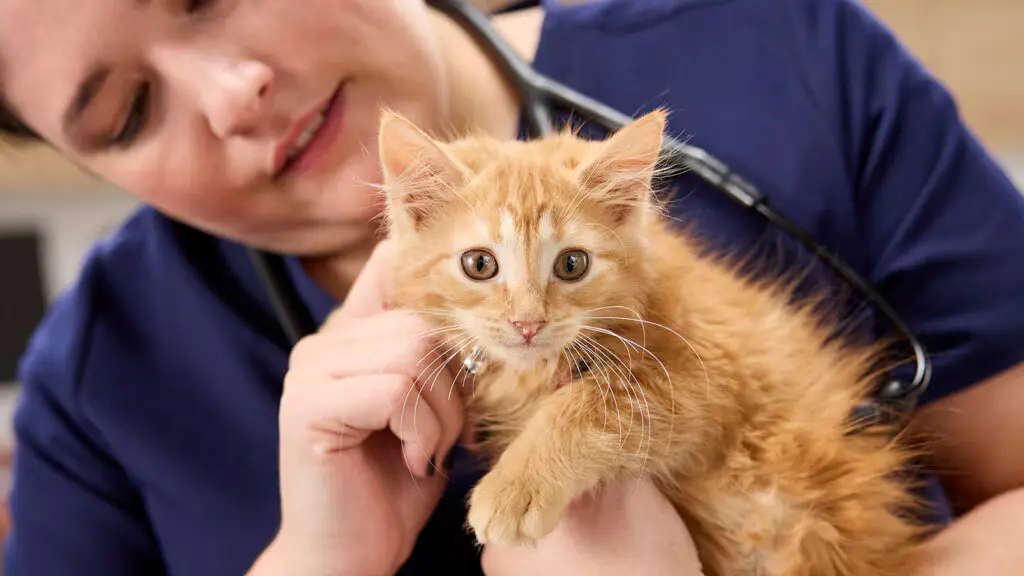
Vaccination appointments are about more than injections. Kitten wellness visits give your veterinarian an opportunity to assess your kitten’s overall development and discuss nutrition, parasite prevention, behavior, sterilization, identification, and future preventive care.
I recommend keeping a simple record of every vaccine your kitten receives. Write down the date, vaccine name, and next recommended appointment. This becomes especially helpful if you change veterinarians or need to provide vaccination records later.
Real-Life Case Study: A Missed Kitten Vaccine
Consider a common situation: a family adopted a 10-week-old kitten from a local rescue. They were told the kitten had received one vaccine but were not given complete documentation.
Instead of guessing which shots were still needed, the family took the kitten for a wellness examination. The veterinarian reviewed the available information, assessed the kitten’s health, and created a new vaccination plan.
The lesson is important: don’t try to recreate a vaccination history from memory. When records are incomplete, your veterinarian can determine the safest way to continue the series.
When Do Kittens Need Booster Shots?
So, when do kittens need booster shots? The answer varies by vaccine, product, and veterinary protocol.
Core FVRCP vaccination is generally repeated every 3–4 weeks during the initial kitten series until approximately 16–20 weeks. Some guidelines also recommend considering revaccination around 6 months to reduce a potential period of susceptibility in kittens that may still have had maternal antibodies during their final kitten dose.
After that, booster timing depends on the individual vaccine and the cat’s risk profile.
Are Kitten Vaccines Completely Risk-Free?
Most kittens tolerate vaccinations well, but temporary reactions can occur. Your kitten may be quieter than usual or experience mild soreness after an appointment.
However, unusual or severe signs should not be ignored. Contact your veterinarian if you notice concerning symptoms after vaccination, particularly if your kitten appears seriously unwell.
It’s also important to tell your veterinarian about any existing illness before vaccination. The decision to vaccinate should consider the kitten’s overall health and individual circumstances.
Vaccination appointments are about more than injections. Kitten wellness visits also give your veterinarian an opportunity to assess your kitten’s growth, nutrition, parasite prevention, behavior, and overall development. During these visits, you can also discuss a suitable Kitten Feeding Schedule based on your kitten’s age, size, and nutritional needs. Keeping vaccination and feeding records together can make it easier to monitor your kitten’s progress and stay consistent with preventive care.
Final Thoughts:Kitten Vaccination Schedule
Following a Kitten Vaccination Schedule gives your new companion an important foundation for preventive healthcare. Rather than thinking of vaccination as one appointment, think of it as a series of carefully timed steps that help your kitten develop protection during a vulnerable stage of life.
The best schedule isn’t necessarily identical for every kitten. Your veterinarian can adjust the plan according to age, health, previous vaccines, lifestyle, exposure risks, and local requirements.
Most importantly, keep accurate records and don’t skip follow-up appointments. A little planning during kittenhood can make a meaningful difference to your cat’s long-term health.
FAQs About Kitten Vaccination Schedule
When should kittens get their first shots?
Core kitten vaccines may begin around 6 weeks, with additional doses every 3–4 weeks until the series is complete.
How many vaccines does a kitten need?
The number varies according to age, vaccine type, health, lifestyle, and previous vaccination history.
Do indoor kittens need vaccinations?
Core vaccines are typically repeated during kittenhood, with later boosters determined by the vaccine and individual risk.
When do kittens need booster shots?
Core vaccines are typically repeated during kittenhood, with later boosters determined by the vaccine and individual risk.
Is the rabies vaccine required for kittens?
Requirements vary by location and vaccine product, so follow your veterinarian’s advice and applicable local regulations.
What happens if a kitten misses a vaccine?
Contact your veterinarian rather than restarting or guessing. They can review the available records and create an appropriate catch-up plan.

Patrick Bravo takes readers on a heartwarming journey through the world of pet adoption. He champions shelter animals, shares inspiring rescue stories, and encourages families to open their hearts and homes to pets in need.