Few dog-training skills are as useful—or as frustrating—as recall. Your dog may happily follow every other command at home, yet suddenly become “selectively deaf” when a squirrel, another dog, or an interesting smell appears. The good news is that how to train a dog to come when called is not about forcing your dog to obey. It is about making returning to you safe, rewarding, and worth choosing.
A strong recall can help you manage everyday situations and may become especially important during an emergency. The American Kennel Club (AKC) describes reliable recall as an important safety skill because dogs may need to return even when something more interesting is competing for their attention.
The key is to start small, reward generously, and increase difficulty gradually.
Content
Why Is Recall Training So Important?
Learning how to train a dog to come when called gives your dog a valuable way to return to you when needed. Imagine your dog slipping through an open gate, wandering toward a road, or becoming distracted during a walk. A dependable recall can give you another way to bring your dog back to safety.
However, recall is not something most dogs automatically understand. When you call your dog away from a fascinating smell or playful friend, you are asking them to stop doing something they enjoy and choose you instead.
That is why dog recall training should make coming to you more rewarding than ignoring you.
How to Train a Dog to Come When Called
The most effective approach is to build the behavior gradually. Here is a practical process you can use at home.
1. Choose One Recall Word
Start by choosing a simple cue such as “come” or “here.” Use the same word consistently.
Avoid switching between several commands because your dog may not understand which sound represents the behavior you want.
If your dog already ignores an old recall cue, consider starting with a new word and building a fresh positive association.
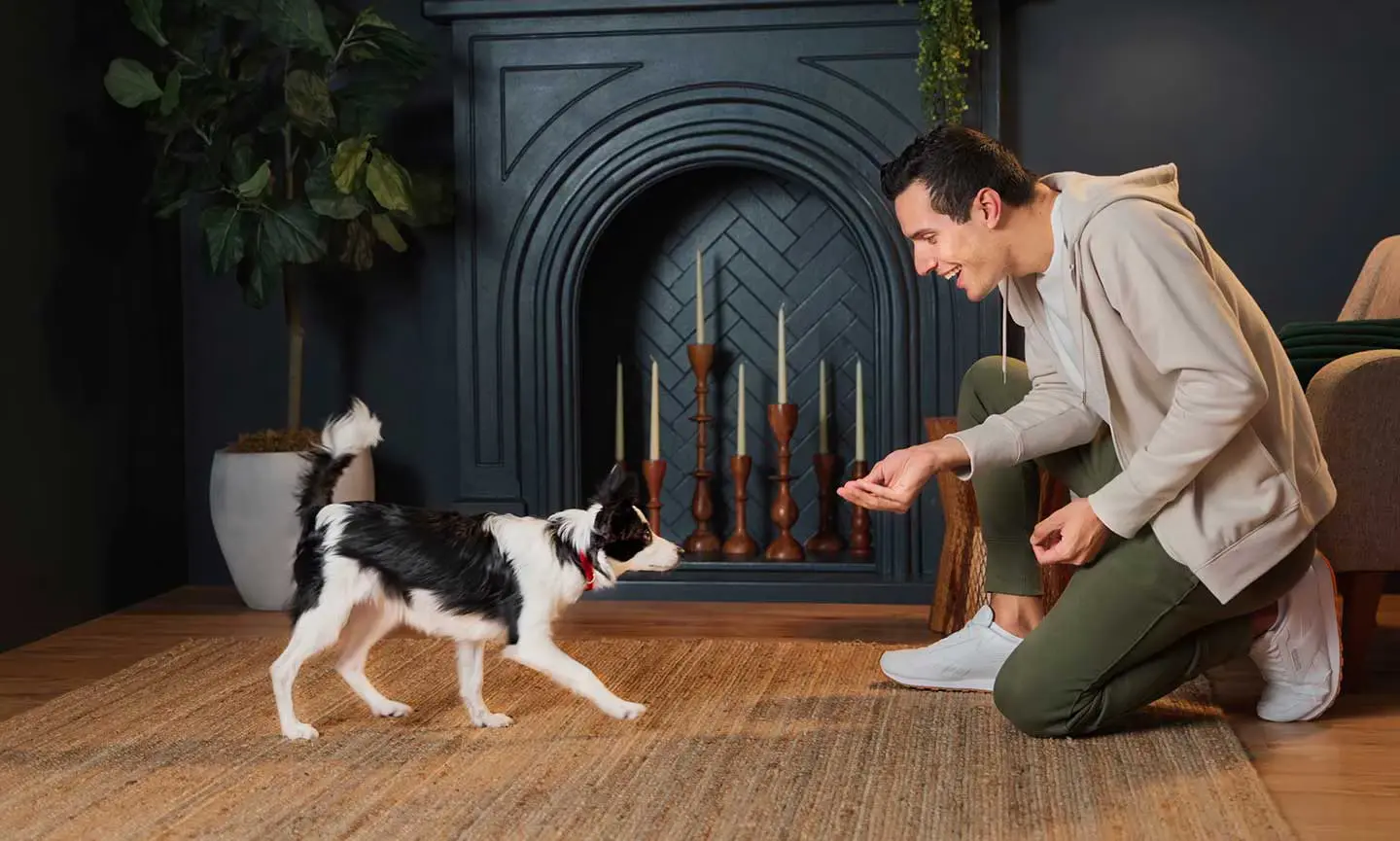
2. Start in a Quiet Room
One of the biggest mistakes owners make is expecting a dog to perform a new behavior in a busy park.
For how to train a dog to come when called, begin somewhere your dog can succeed. A quiet room with few distractions is ideal.
Say your dog’s name followed by your recall cue. When your dog turns toward you or moves closer, immediately praise and reward.
3. Make Coming to You Exciting
Your voice matters.
Instead of sounding angry or frustrated, use a cheerful tone. You can crouch down, clap gently, move backward, or use playful body movement to encourage your dog to follow you.
Think of recall as a game rather than a command your dog should fear.
When your dog reaches you, reward immediately with something they genuinely value. This could be a small treat, favorite toy, praise, or a short game.
4. Reward Every Successful Recall
When learning how to train a dog to come when called every time, consistency is important.
If your dog comes to you, make that decision worthwhile.
High-value rewards can be especially useful when you are teaching a new recall. The reward does not have to be food forever, but during early training, valuable rewards can help establish a strong connection between the cue and returning to you.
5. Gradually Increase Distance
Once your dog happily comes from a few feet away, increase the distance.
Call your dog from the other side of the room. Then practice from another room. Later, move to a secure outdoor area.
Do not jump from an easy indoor exercise to a busy dog park.
A reliable dog recall develops through gradual progression.
How to Train a Puppy to Come When Called
Puppies can begin learning recall at a young age, but training sessions should be short, fun, and easy enough for them to succeed.
When learning how to train a puppy to come when called, start by teaching the puppy that their name predicts something positive.
Say the puppy’s name, and when they look toward you, offer a treat or praise. You can then gradually introduce the recall word.
How to Train a Stubborn Dog to Come When Called
Sometimes what looks like stubbornness is actually a training problem.
Your dog may understand the cue at home but struggle when there are squirrels, other dogs, food smells, or people nearby. In that situation, the environment may simply be too difficult.
For how to train a stubborn dog to come when called, reduce the distraction level and return to an easier stage.
For example:
- Practice indoors.
- Move to a fenced yard.
- Add mild distractions.
- Increase distance.
- Introduce more challenging environments gradually.
How to Train a Dog to Come When Called Outside
Outdoor training is where many owners discover that their dog’s recall needs more work.
When learning how to train a dog to come when called outside, choose a secure location first. A fenced yard or other controlled area is much safer than immediately testing recall in an open space.
A long training line can provide additional management while you build reliability. Never assume a dog is ready for unrestricted off-leash freedom simply because they respond well indoors.
Use Recall Games to Make Training Fun
One of the easiest ways to improve recall is to turn practice into a game.
Find Me
Hide behind a doorway while your dog is nearby and call them. When they find you, reward them enthusiastically.
Catch Me
With your dog safely attached to a leash, get their attention and move backward. Encourage your dog to follow, then reward them when they reach you.
Family Recall
Two family members can stand a short distance apart. One person calls the dog and rewards them. Then the other person calls.
These games help your dog learn that coming to different people can be enjoyable. AKC also recommends recall games such as hide-and-seek and calling between multiple people.
What If Your Dog Does Not Come?
If you are wondering how to get your dog to come when called, first ask what happens immediately after the dog returns.
Do you always clip on the leash and end the walk? Do you call your dog only for baths, nail trims, or other things they dislike?
If so, your dog may learn that coming to you predicts the end of something enjoyable.
Real-Life Case Study: When Recall Became a Safety Skill
A useful real-world example comes from an AKC article describing an Anatolian Shepherd named Blaze. During an outdoor incident, Blaze began moving away from her owner. Her trained recall caused her to stop, turn around, and return. The account notes that the command may have prevented a dangerous outcome.
The lesson is important: recall is not just a party trick.
You may spend weeks practicing in your living room, hallway, or yard. It can feel repetitive, but those small repetitions are what build the habit your dog may need when the environment suddenly becomes unpredictable.
How to Improve a Dog’s Recall Over Time
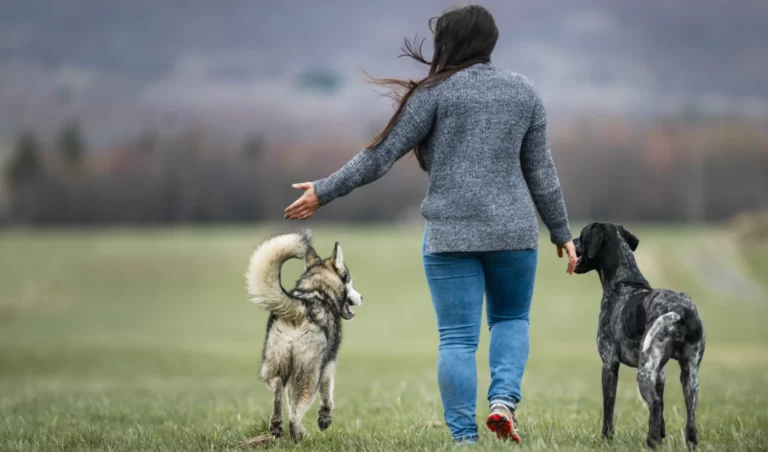
Learning how to improve a dog’s recall is an ongoing process rather than a one-week project.
Keep practicing in different safe environments. Change the distance, distractions, rewards, and locations gradually.
Remember these principles:
- Use one clear recall cue.
- Start with easy situations.
- Reward immediately.
- Use high-value rewards when distractions are strong.
- Avoid repeatedly shouting the cue.
- Never punish your dog for returning.
- Practice when there is no emergency.
- Keep sessions short and enjoyable.
- Do not rush into off-leash environments.
Final Thoughts
The real secret behind how to train a dog to come when called is to make returning to you one of the best choices your dog can make.
Start indoors, keep the first exercises easy, use rewards your dog loves, and gradually introduce distance and distractions. Don’t expect perfection immediately. A dog that ignores you in a busy park may still be learning the same skill that works beautifully in your kitchen.
With patience and consistent positive reinforcement dog training, recall can become a behavior your dog enjoys rather than something they avoid.
For more practical pet care and pet training tips, explore Smart Pets Hub for helpful guides like how to train a dog to come when called, improve recall, and build a stronger bond with your pet.
FAQs About How to Train a Dog to Come When Called
What treats are best for recall training?
Use small, high-value treats your dog loves, especially when practicing around challenging distractions.
Can treats be phased out during recall training?
Yes. Gradually vary rewards while continuing to reinforce reliable recalls with praise, play, or occasional treats.
What should I do if my dog runs away during recall practice?
Stay calm, avoid chasing, and use a safe, controlled environment to rebuild your dog’s recall skills.
How long does it take to train a dog to come on command?
Training time varies, but consistent daily practice can help many dogs develop reliable recall over several weeks.
How do I start training my dog to come?
Start in a quiet area, use a consistent recall word, and reward your dog immediately when they come to you
How do you start training a dog to come?
Start in a quiet area, say “come” cheerfully, and reward your dog immediately when they approach. Gradually practice in more distracting environments.

Patrick Bravo takes readers on a heartwarming journey through the world of pet adoption. He champions shelter animals, shares inspiring rescue stories, and encourages families to open their hearts and homes to pets in need.