If you share your home with a dog or cat, you probably know the daily battle: fur on the sofa, hair on your clothes, and loose strands hiding in places you just cleaned. A pet hair remover glove can be a surprisingly simple way to manage that mess, but does it actually work?
The short answer is yes—but its effectiveness depends on the type of hair, surface, and glove you use. A pet hair remover glove can collect loose fur from upholstery, bedding, clothing, and other fabric surfaces. Some versions can also be used as a pet grooming glove to remove loose hair directly from a dog’s or cat’s coat.
However, it isn’t a miracle solution for every type of pet hair. Deeply embedded fur in thick carpets or severe mats may require a vacuum, rubber brush, comb, or dedicated deshedding tool. Understanding what a glove can and cannot do will help you get much better results.
Content
How Does a Pet Hair Remover Glove Work?
So, how does a pet hair remover glove work?
The basic principle is quite simple. When the textured surface moves across fur or fabric, friction helps catch loose hairs. Some materials can also develop a small electrostatic charge when rubbed against fabric, helping loose fibers cling to the glove.
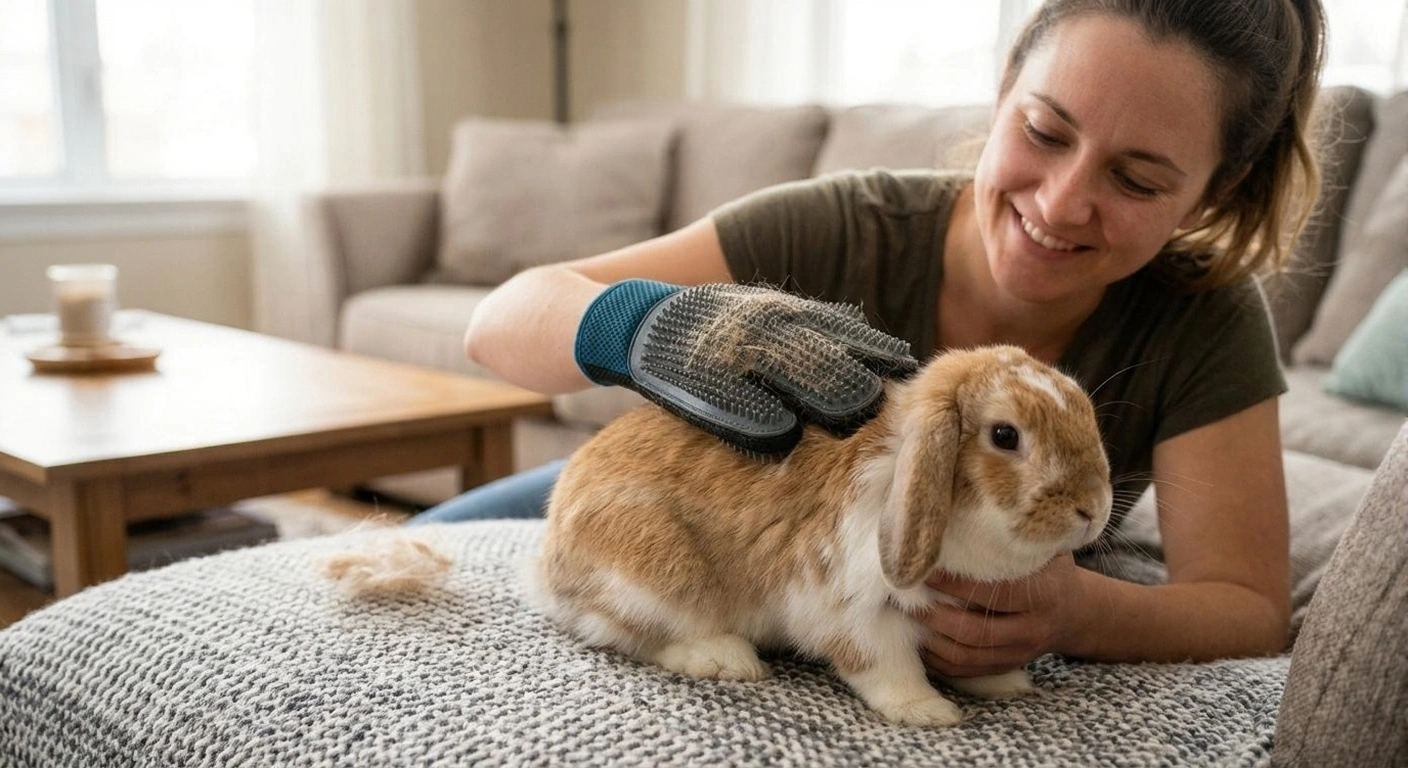
With silicone or rubber versions, small flexible nubs physically grip loose fur. With electrostatic fabric versions, the surface attracts and collects hair as you swipe.
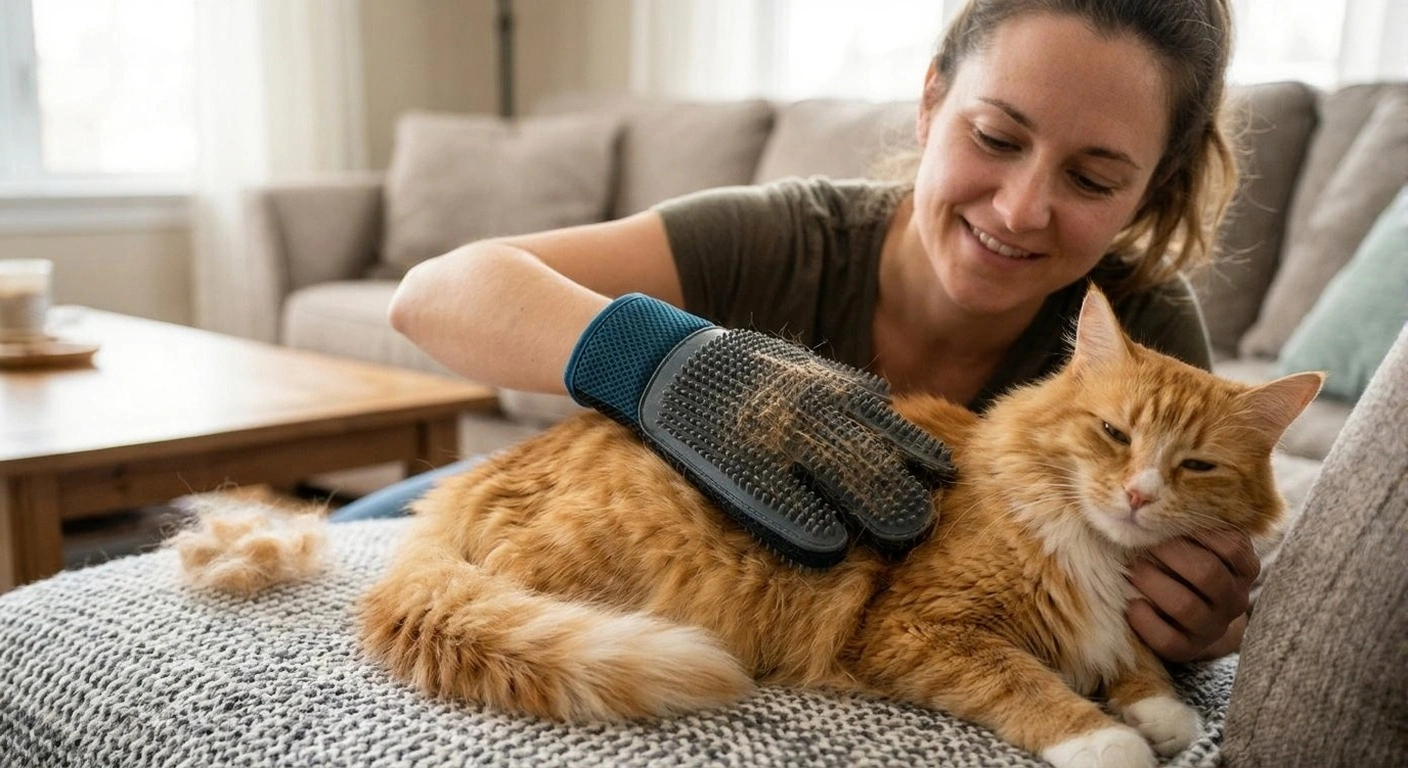
As you continue moving in the same direction, the loose hair tends to gather into a visible clump. You can then peel or pull the collected fur from the glove and dispose of it.
Does a Pet Hair Remover Glove Really Work?
If you’re wondering, does a pet hair remover glove really work, the answer is generally yes for surface-level loose fur.
The Fido Fave guide, for example, reports that these gloves are useful on couches, bedding, clothing, and car seats, while noting that thick rugs and deep-pile carpets are a different challenge.
The results can vary depending on:
- The glove’s material
- The type of pet hair
- The surface being cleaned
- How heavily the hair is embedded
- How frequently you use the glove
- Whether you move the glove in a consistent direction
Where Does a Pet Hair Remover Glove Work Best?
A glove is most useful on fabric surfaces where loose fur is sitting on or near the surface.
Sofas and Upholstered Furniture
Sofas are among the easiest places to use a glove. Move your hand in long, consistent strokes across the upholstery and allow the hair to gather.
Pay extra attention to corners, cushion edges, and areas where your pet sleeps.
Bedding and Blankets
Pet hair often becomes trapped between the fibers of blankets and comforters. A textured glove can help gather surface hair without requiring you to repeatedly use disposable lint sheets.
Clothing
A quick pass over clothing can be useful before leaving home. Dark shirts and trousers often make light-colored pet fur especially noticeable.
Car Seats
If your dog regularly travels with you, car upholstery can become surprisingly furry. The hand-shaped design makes it easier to work around seat edges and other tight areas.
Pet Beds
A pet hair remover glove can also be useful for routine cleaning of fabric pet beds before washing them.
Where Does It Work Less Effectively?
No single pet hair removal tool works perfectly everywhere.
A glove may struggle with:
- Deep-pile carpets
- Shag rugs
- Thick carpeting
- Severely embedded fur
- Matted hair
- Very delicate fabrics such as lace or silk
Deep carpet fibers can hold hair underneath the surface, where a soft glove cannot reach effectively. In these situations, a vacuum or carpet rake may be a better choice.
You should also avoid aggressively rubbing delicate fabrics. Always test an unfamiliar material on a small, hidden area first.
How to Use a Pet Hair Remover Glove Correctly
Learning how to use a pet hair remover glove is straightforward, but technique can make a noticeable difference.
1. Put the Glove On Securely
Adjust the wrist strap or cuff so the glove stays comfortably in place. A loose glove can make cleaning awkward.
2. Use Consistent Strokes
For furniture, move in one direction rather than scrubbing randomly back and forth. This helps gather loose hair into manageable clumps.
When grooming a pet, follow the natural direction of the coat and use gentle pressure.
3. Remove the Collected Fur
Once enough hair accumulates, peel it from the glove and dispose of it.
4. Continue in Sections
Work across sofas, bedding, or clothing in smaller sections rather than trying to clean everything at once.
5. Clean the Glove
Remove remaining fur and follow the manufacturer’s washing instructions. Many washable gloves can simply be rinsed and air-dried.
Can You Use a Pet Grooming Glove on Dogs and Cats?
Some gloves are designed for both household cleaning and grooming, but not every pet hair remover glove is suitable for direct use on an animal.
A silicone pet grooming glove with soft flexible nubs can be useful for collecting loose fur during gentle grooming. Many pets also tolerate a glove because the movement feels more like ordinary petting than traditional brushing.
This can be especially helpful for cats or dogs that become nervous when they see a conventional brush.
Still, a grooming glove shouldn’t be used aggressively. Avoid areas with wounds, irritated skin, severe mats, or obvious pain. If your pet develops unusual shedding, bald patches, redness, or skin irritation, speak with a veterinarian instead of relying on a grooming tool.
Pet Hair Remover Glove vs. Other Hair Removal Tools
Choosing between grooming tools becomes easier when you understand what each one does best.
| Tool | Best Use | Reusable? | Main Advantage |
|---|---|---|---|
| Pet hair remover glove | Furniture, clothing, loose fur | Yes | Flexible and convenient |
| Lint roller | Clothing and quick touch-ups | Usually no | Fast spot cleaning |
| Rubber brush | Upholstery and some carpets | Yes | Good physical grip |
| Vacuum | Carpets and large areas | Yes | Deep cleaning |
| Slicker brush | Pet coat grooming | Yes | Removes and separates loose coat hair |
A pet hair remover glove vs grooming brush comparison isn’t really about choosing one universal winner. The better tool depends on your goal.
Use a glove for quick daily maintenance, a grooming brush for more thorough coat care, and a vacuum for larger cleaning jobs.
Real-Life Case Study: Testing Pet Hair Removal Gloves
A useful real-world example comes from PetGearInsights, which reported testing multiple pet hair removal gloves across microfiber couch fabric, cotton T-shirts, car-seat upholstery, and carpet. The testers evaluated hair-removal effectiveness, ease of cleaning, comfort, and durability over a 30-day period.
The important lesson isn’t that one particular glove is universally superior. Instead, the testing approach highlights something many pet owners discover themselves: surface type matters.
A glove that performs well on upholstery may not deliver the same results on carpet. Likewise, a glove designed for grooming may have different strengths from one designed primarily for fabric cleaning.
That is why it is better to judge a glove according to your home’s actual problem areas rather than expecting one product to replace every grooming and cleaning tool.
How to Choose the Right Pet Hair Remover Glove
Before buying one, consider the following:
Material
Look for a material appropriate for your intended use. Silicone or rubber nubs can be useful for grooming, while electrostatic fabric designs may be better suited to certain household surfaces.
Comfort
If you plan to use the glove frequently, look for an adjustable wrist area and breathable construction.
Washability
A washable design is easier and more economical to maintain.
Intended Use
Check whether the product is designed for pets, household surfaces, or both. Don’t assume every hair-removal glove is safe for direct grooming.
Hair Type
Short, straight fur may be easier to collect than long, tangled, or heavily embedded hair. Heavy shedders may require more than one grooming tool.
A good glove can offer several practical benefits:
- Reusable: Many designs can be cleaned and used repeatedly.
- Easy to handle: Your hand provides natural control.
- Quick cleanup: Useful for daily touch-ups.
- Flexible: Easier to reach corners and awkward areas.
- Less disposable waste: A washable glove doesn’t require constant replacement sheets.
- Useful for grooming: Certain versions can collect loose fur directly from pets.
- Convenient for multi-pet homes: You can quickly clean several common hair-covered surfaces.
When combined with other practical Dog Walking Accessories, such as waste-bag holders, leashes, harnesses, and portable water bottles, a pet hair remover glove can be part of a simple routine that makes everyday pet care and outdoor activities more manageable.
Final Verdict
A pet hair remover glove is worth considering if your biggest problem is loose fur on sofas, bedding, clothes, pet beds, or other fabric surfaces. It is convenient, reusable, easy to control, and can also serve as a grooming aid when the design is made for direct pet use.
The key is having realistic expectations. A glove won’t eliminate natural shedding, remove every embedded hair from thick carpet, or replace every grooming tool. Instead, it works best as an everyday solution for managing loose fur and keeping common surfaces looking cleaner.
For many pet owners, that simple role is exactly what makes a pet hair remover glove useful: it turns a frustrating daily chore into a quick task that can be handled with a few simple strokes.
Frequently Asked Questions
Do pet hair remover gloves really work?
Yes. They can effectively collect loose fur from many fabric surfaces and some pet coats, although results vary by material and hair type.
Can I use a grooming glove on my cat?
Yes, if the glove is specifically designed for grooming and has soft, pet-safe surfaces. Use gentle strokes and stop if your cat becomes uncomfortable.
Does a glove remove deep undercoat?
Usually not as effectively as a dedicated deshedding tool. Dense undercoats may require a specialized brush.
Can a glove replace a lint roller?
For many reusable cleanup tasks, yes, but lint rollers can still be convenient for quick clothing touch-ups.
How often should I use a pet grooming glove?
For routine loose-fur management, short, gentle sessions several times a week can be more practical than one long grooming session.

Patrick Bravo takes readers on a heartwarming journey through the world of pet adoption. He champions shelter animals, shares inspiring rescue stories, and encourages families to open their hearts and homes to pets in need.