Have you noticed tiny white flakes scattered through your cat’s fur? If so, you may be wondering how to treat cat dandruff and whether it is simply dry skin or something more serious. A small amount of flaking can sometimes be related to grooming, environmental dryness, or changes in the skin’s moisture balance. However, persistent dandruff can also occur with parasites, allergies, nutritional problems, infections, or other health conditions.
The good news is that cat dandruff treatment usually starts with identifying why the flakes are appearing. In my experience writing about pet cat care, the biggest mistake owners make is treating the flakes alone without considering the cat’s overall skin and coat condition. This guide explains how to treat cat dandruff, what causes it, safe home-care steps, prevention strategies, and when professional veterinary attention is necessary.
Content
What Causes Dandruff in Cats?
Before choosing a remedy, it helps to understand the possible causes. Asking “why does my cat have dandruff?” is often more useful than immediately reaching for a shampoo.
1. Dry Skin and Dehydration
Dry skin in cats can develop when the environment is particularly dry or when a cat is not maintaining adequate hydration. Seasonal temperature and humidity changes can also affect the skin and coat. Veterinary sources recognize environmental factors, including humidity changes, as potential contributors to seborrheic skin problems.
If your cat has mild flakes but otherwise seems comfortable, improving hydration and overall skin care may be helpful.
2. Poor Nutrition
Diet plays an important role in maintaining healthy skin and fur. An inadequate diet can contribute to a dull, dry coat and excessive shedding. Nutritional problems may also be associated with accumulation of dry skin scales.
Rather than adding random supplements, choose a nutritionally complete cat food appropriate for your pet’s age and health. If you suspect a dietary problem, discuss it with your veterinarian.
3. Parasites
Fleas, ticks, and mites can irritate the skin and lead to scratching, scaling, and changes in the coat. Some cats can develop significant skin reactions from flea bites.
This is why effective parasite prevention is an important part of cat skin care. If your cat is scratching frequently or has scabs and hair loss along with dandruff, a veterinary examination is a good idea.
4. Allergies
Food and environmental allergies can cause inflammation and itching. Cats may react to substances they eat or encounter in their surroundings, while flea-bite allergies are another important possibility.
Therefore, how to treat cat dandruff may involve finding and managing an allergy rather than simply moisturizing the skin.
5. Grooming Difficulties
Cats are naturally excellent groomers, but some cannot groom themselves effectively. Older, overweight, painful, or arthritic cats may struggle to reach parts of their body. This can contribute to dandruff, matting, and an unkempt coat.
What Are the Signs of Cat Dandruff?
Typical signs include:
- Visible white or gray flakes
- Dry or flaky skin
- Excessive scratching or licking
- Dull-looking fur
- Increased shedding
- Red or irritated skin
- Scabs or crusts
- Hair loss
- Greasy or unusually oily areas
- Unpleasant skin odor
Not every cat with dandruff will have all these signs. However, dandruff combined with itching, bald patches, sores, or significant changes in behavior deserves more attention.
How to Treat Cat Dandruff at Home
For mild cases without concerning symptoms, there are several practical steps you can take. These are supportive measures, not substitutes for veterinary diagnosis when an underlying condition is suspected.
1. Brush Your Cat Regularly
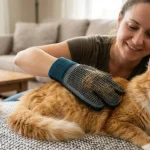
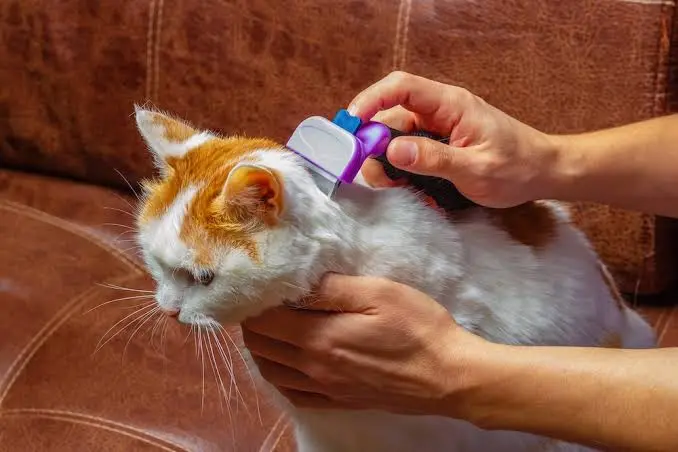
Regular brushing can remove loose hair and flakes while helping distribute natural oils through the coat. It can also give you an opportunity to notice fleas, redness, lumps, mats, or changes in the skin.
Choose a brush suitable for your cat’s coat type and introduce grooming gradually if your cat dislikes it.
2. Encourage Good Hydration
Fresh drinking water should always be available. Some cats drink more readily from fountains or prefer multiple water stations around the home.
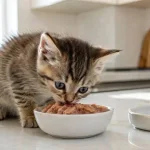
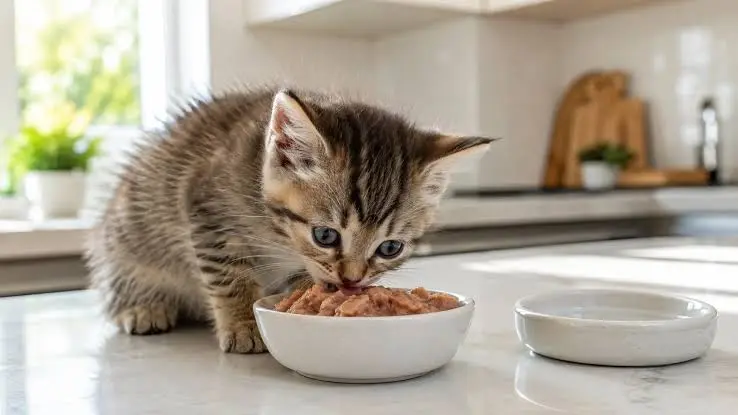
Wet food can also contribute to daily water intake, but dietary changes should suit the individual cat.
3. Review Your Cat’s Diet
If you are wondering how to treat cat dandruff associated with poor coat condition, nutrition deserves attention. Feed a complete and balanced diet rather than relying on homemade diets or supplements without professional guidance.
If your veterinarian suspects a food allergy, they may recommend a controlled dietary trial rather than randomly switching foods.
4. Avoid Over-Bathing
Cats generally do not need frequent baths. Too much bathing, unsuitable products, or inadequate rinsing can irritate or dry the skin.
If your veterinarian recommends a medicated shampoo, follow the product directions carefully. Veterinary guidance is particularly important because some skin products intended for humans are not appropriate for cats. Medicated shampoos may also require specific contact times and thorough rinsing.
5. Keep Parasite Prevention Consistent
Flea prevention should not be reserved for cats that go outdoors. Ask your veterinarian about an appropriate parasite-control product for your cat’s age, weight, lifestyle, and health status.
Do not apply a dog flea product to a cat unless a veterinarian specifically confirms that it is safe. Some products can be dangerous to cats.
6. Improve the Home Environment
If your home becomes particularly dry, maintaining a comfortable humidity level may help cats that experience environmentally related dry skin. Also wash bedding regularly and avoid heavily fragranced cleaning products around sensitive pets.
These simple steps can support overall cat dandruff prevention, although they will not cure dandruff caused by parasites, infection, allergies, or systemic disease.
What Is the Best Treatment for Cat Dandruff?
There is no single best treatment for cat dandruff because the correct approach depends on the cause.
For example, parasite-related dandruff requires appropriate parasite control. A suspected food allergy may require a carefully planned elimination diet. Bacterial or yeast infections may need veterinary-prescribed treatment, while some seborrheic disorders may require specialized topical therapy.
This is why how to treat cat dandruff should always begin with identifying the underlying problem.
A Real Veterinary Case Study
A published case report illustrates why persistent dandruff should not always be treated as ordinary dry skin.
Researchers described a five-year-old neutered Norwegian Forest cat with progressive seborrheic dermatitis. The skin problem began on the face and neck and gradually progressed to the legs over approximately 18 months. Diagnostic examination and skin biopsies identified sebaceous adenitis and inflammatory changes around the hair follicles. Initial antibacterial treatment produced only a partial response, while oral omega-6 fatty acids and surface cleaning did not improve the condition. A topical product containing essential oils, smoothing agents, and vitamin E produced substantial—but incomplete—improvement, including hair regrowth and reduced seborrheic dermatitis.
When Should You Take Your Cat to the Vet?
Mild occasional flakes may not be an emergency, but persistent or severe dandruff deserves professional attention.
Contact your veterinarian if your cat has:
- Severe or persistent itching
- Hair loss or bald patches
- Red, swollen, or painful skin
- Open sores or bleeding
- Thick crusts or scales
- A strong unpleasant odor
- Repeated skin infections
- Significant changes in appetite or behavior
- Dandruff that keeps returning despite grooming
- Difficulty grooming because of age, obesity, or pain
How to Prevent Cat Dandruff
Once you understand how to treat cat dandruff, prevention becomes the next priority.
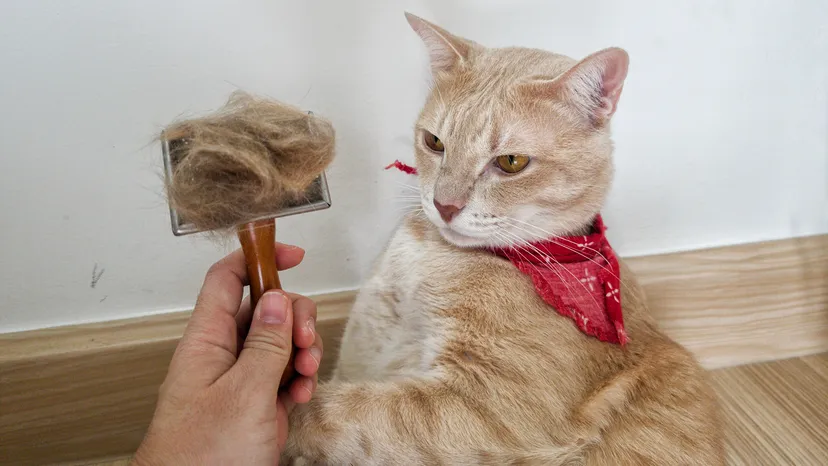
Keep your cat on a nutritionally appropriate diet, provide clean water, maintain regular brushing, use veterinarian-recommended parasite prevention, and monitor changes in the coat. Regular grooming is especially useful because it allows you to identify skin changes before they become severe.
If your cat is older or overweight, pay special attention to areas it may have difficulty grooming. Arthritis and obesity can interfere with normal grooming and contribute to coat problems.
Final Thoughts
Learning how to treat cat dandruff starts with looking beyond the visible flakes. Good grooming, hydration, nutrition, and parasite prevention can support a healthy coat, but they are not universal cures.
If dandruff continues, becomes severe, or appears alongside itching, hair loss, redness, crusting, or other symptoms, professional diagnosis is the safest next step. The right cat dandruff treatment depends on the cause, and finding that cause can make treatment much more effective.
For cat owners, the simplest rule is this: don’t just treat the flakes—pay attention to what your cat’s skin and coat are trying to tell you.
FAQs About How to Treat Cat Dandruff?
Is cat dandruff normal?
A few occasional flakes may occur, but persistent or heavy dandruff is not something to ignore. It can be associated with skin disease or another underlying problem.
How can I get rid of cat dandruff?
Regular brushing, proper nutrition, hydration, parasite prevention, and appropriate grooming may help mild cases. Persistent dandruff should be evaluated by a veterinarian.
Can cat dandruff be caused by allergies?
Yes. Allergies can cause itching and inflammatory skin disease, which may lead to scaling and coat changes.
Can I use human dandruff shampoo on my cat?
Do not assume a human shampoo is safe for cats. Ask your veterinarian before using medicated or human skin products.
When should I take my cat to the vet for dandruff?
Seek veterinary advice when dandruff is persistent, severe, itchy, associated with hair loss or sores, or accompanied by other changes in your cat’s health.

Patrick Bravo takes readers on a heartwarming journey through the world of pet adoption. He champions shelter animals, shares inspiring rescue stories, and encourages families to open their hearts and homes to pets in need.