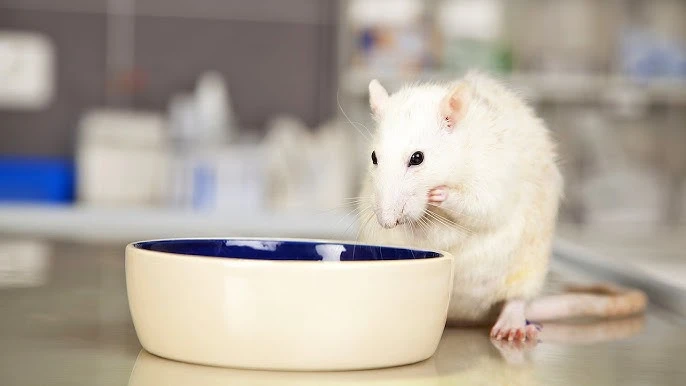
If you are a new rat owner, one of the first questions you may ask is, “what do pet rats eat?” Pet rats are omnivores, but that does not mean every food from your kitchen belongs in their cage. A healthy diet combines complete rat pellets with measured amounts of fresh vegetables, occasional fruit, suitable treats, and clean water. Veterinary guidance recommends species-specific pelleted food as the foundation of a pet rat’s diet.
So, what do pet rats eat? In simple terms, they need a balanced combination of complete rat food, fresh vegetables, small amounts of fruit, and occasional treats. The right portions depend on factors such as age, size, health, and activity.
Content
What Do Pet Rats Eat Every Day?
When considering what do pet rats eat, start with a complete, species-appropriate pellet or lab block. A quality food provides consistent nutrition and reduces the chance that your rat will pick only its favorite ingredients.
Fresh vegetables can complement the main diet. Suitable choices include carrots, cucumber, green beans, peas, squash, broccoli, and leafy greens. Introduce unfamiliar foods gradually and remove uneaten fresh food before it spoils.
The Royal Veterinary College recommends commercial rat pellets alongside fresh fruit and vegetables, a small amount of hay, and fresh water.
Best Food for Pet Rats
The best food for pet rats is normally a nutritionally complete pellet or lab block formulated specifically for rats. Look beyond words such as “premium” or “natural” and check that the product is actually designed for rats.
Seed-heavy mixes can be appealing because rats enjoy sorting through them. However, selective eating can make the overall diet less balanced. VCA recommends species-specific pelleted diets as the most nutritionally complete option for rats and cautions against diets dominated by seeds and nuts.
A simple routine is to make complete food the foundation, then use fresh foods for variety and enrichment.
Fruits and Vegetables for Pet Rats
Fruits and vegetables for pet rats can add variety, moisture, fiber, and enrichment. Vegetables are generally more suitable for regular portions, while fruit should be offered in smaller amounts because it contains more natural sugar.
Good choices may include:
- Carrots
- Peas
- Cucumber
- Green beans
- Broccoli
- Zucchini or squash
- Small pieces of apple
- Berries
- A tiny piece of banana
Wash produce before serving and cut it into manageable pieces. Introduce one new food at a time when possible so you can notice digestive problems.
Variety is helpful, but more is not always better. A rat that fills up on produce may eat less of its nutritionally complete main food.
What Should Pet Rats Eat Daily?
If you are wondering what should pet rats eat daily, think about balance rather than a huge list of ingredients. The everyday foundation should be complete rat food. Fresh vegetables can be added in controlled portions, while fruit and richer treats should remain limited.
VCA guidance says pet rodents should eat mainly pellets, with vegetables and fruit making up a smaller share of the diet. Hay can also be offered as a fiber source when appropriate.
This approach is safer than trying to create a homemade diet from random foods.
How Much Food Should a Pet Rat Eat?
How much food should a pet rat eat? There is no universal portion for every rat. Size, age, activity, health, and the calorie density of the food all matter.
Follow the feeding directions for your chosen rat food and monitor body condition. Measuring portions can prevent accidental overfeeding and makes changes in appetite easier to notice.
For rats that are overweight, underweight, pregnant, elderly, or ill, ask an exotic-animal veterinarian for an individualized feeding plan.
How Often Should Pet Rats Eat?
Many owners ask how often should pet rats eat because rats naturally forage and may appear interested in food throughout the day. In captivity, complete food should be provided according to the feeding instructions for that diet, with fresh foods offered in sensible portions.
Instead of constantly refilling a bowl, observe how much your rat actually consumes. Scatter-feeding part of the daily pellet ration can also encourage natural foraging.
Fresh water should be available every day. Check the bottle regularly to ensure the nozzle works and the water stays clean.
Healthy Treats for Rats
Healthy treats for rats can help with training, bonding, and enrichment, but treats should never replace the main diet. Small amounts of plain cooked grains, unsalted foods, or appropriate produce can work as occasional rewards.
VCA recommends keeping treats for rats and similar rodents to a small percentage of the overall diet.
I find it useful to save special treats for training. A tiny reward can encourage a rat to step onto your hand, return when called, or explore a new enrichment activity without adding many extra calories.
Foods Pet Rats Should Avoid
Knowing what foods pet rats should avoid is just as important as knowing what they can eat. Do not offer spoiled or moldy food, highly salty snacks, sugary processed foods, alcohol, or chocolate.
Be particularly careful with:
- Chocolate and caffeinated products
- Alcohol
- Very salty or heavily seasoned foods
- Sugary desserts
- Spoiled or moldy produce
- Foods containing unsafe sweeteners or questionable ingredients
Wash fresh produce thoroughly and remove hard pits, cores, stems, or other parts that could create a choking or digestive hazard.
What Do Pet Rats Eat for Protein?
Because rats are omnivores, owners sometimes ask what do pet rats eat when they need protein. A complete commercial rat diet should already provide appropriate nutrition for a healthy rat. Occasional protein-rich foods may be suitable, but they should never replace balanced rat food.
A tiny amount of plain cooked egg may be used as an occasional treat. Avoid fried, salty, heavily seasoned, or greasy foods.
Can Pet Rats Eat Human Food?
Another common question is what do pet rats eat from the dinner table? Some plain foods can be suitable in tiny portions, but food that is safe for humans is not automatically appropriate for rats.
If you share food, choose simple, unseasoned ingredients and keep the portion small. Table scraps should be an occasional supplement, not the foundation of your rat’s nutrition.
How to Feed a Pet Rat a Balanced Diet
Learning how to feed a pet rat a balanced diet becomes easier when you keep the routine simple:
- Choose a complete rat-specific pellet or lab block.
- Follow the product’s feeding guidance.
- Add controlled portions of fresh vegetables.
- Offer fruit less frequently and in smaller amounts.
- Use treats sparingly.
- Provide fresh water every day.
- Remove spoiled fresh food.
- Monitor body condition and appetite.
This routine also helps you notice changes. If a normally enthusiastic eater suddenly refuses food, that deserves attention.
Real-Life Case Study: A Pet Rat With a Diet-Related Problem
A published veterinary case report described a 28-month-old pet rat with insulinoma and chronic health problems. The veterinary team advised the owner to withdraw sugary treats and pay attention to regular meals while monitoring the rat’s condition.
The case does not prove that sugary treats caused the illness. Instead, it demonstrates why dietary management may need to change when a pet rat develops a medical condition. Any diabetic, sick, unusually thin, or overweight rat should be assessed by an exotic-animal veterinarian.
Common Feeding Mistakes to Avoid
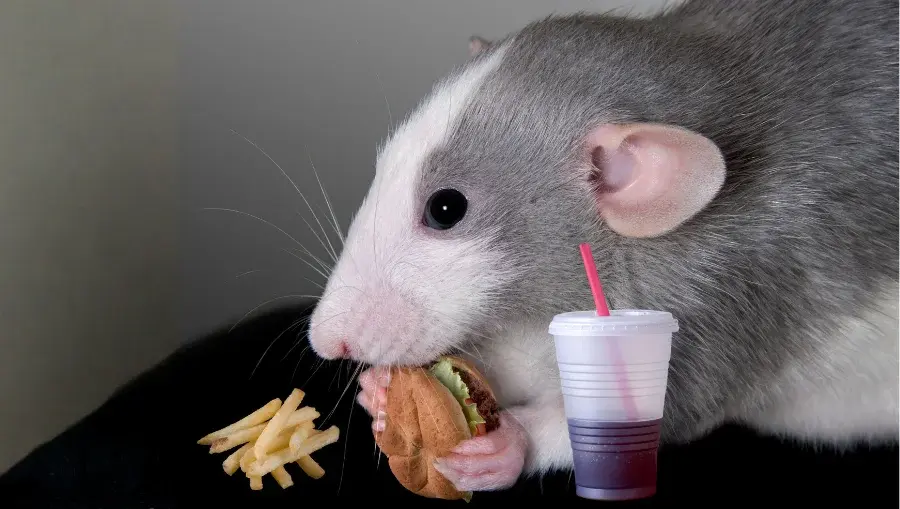
Even owners who research what do pet rats eat can make mistakes:
- Feeding too many treats
- Making seed-heavy mixes the main diet
- Offering excessive fruit
- Leaving fresh food in the cage too long
- Changing diets suddenly
- Guessing portions without monitoring body condition
- Assuming all human foods are safe
- Forgetting to check the water bottle
Small changes in routine can make feeding safer and more consistent.
Final Thoughts
So, what do pet rats eat? The healthiest approach centers on complete rat-specific food, supported by suitable fresh vegetables, small amounts of fruit, occasional treats, and constant access to clean water.
Once you understand what do pet rats eat, feeding becomes much simpler. Keep the foundation balanced, introduce new foods carefully, limit treats, and monitor your rat’s weight, appetite, and overall condition. A thoughtful feeding routine can support good health while making mealtimes an opportunity for natural foraging and enrichment.
Frequently Asked Questions
What do pet rats eat as their main food?
Complete, species-specific rat pellets or lab blocks should generally form the foundation of a healthy diet.
Can pet rats eat fruits and vegetables?
Yes. Small portions of suitable vegetables and occasional fruit can add variety to a balanced diet.
How often should pet rats get treats?
Treats should be occasional and make up only a small part of the overall diet.
Can pet rats eat seeds and nuts?
They may eat them, but seed-and-nut-heavy diets are not recommended as the main food because they can be high in fat and nutritionally uneven.
What do pet rats eat when they are sick?
A sick rat may need a modified diet depending on its condition. Contact an exotic-animal veterinarian instead of making major dietary changes yourself.

Patrick Bravo takes readers on a heartwarming journey through the world of pet adoption. He champions shelter animals, shares inspiring rescue stories, and encourages families to open their hearts and homes to pets in need.