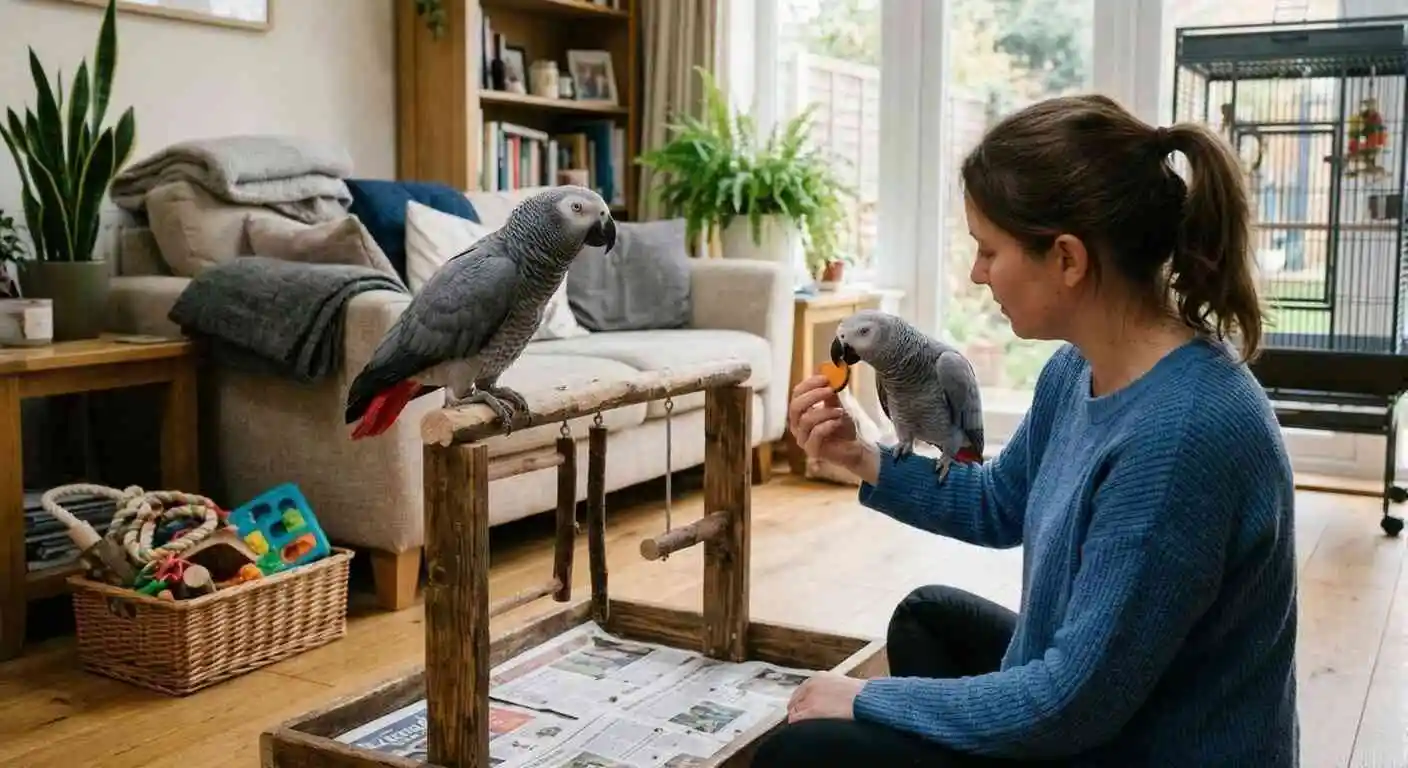
Knowing what foods can cockatiels eat is important because a balanced diet affects their feathers, energy, weight, and overall health. Although cockatiels naturally eat many types of seeds and plant foods, a pet cockatiel should not live on a seed-only diet.
A healthy feeding routine usually combines a nutritionally complete formulated food with appropriate vegetables, limited fruit, occasional treats, and fresh water. Veterinary guidance recommends using pellets as the dietary foundation while offering smaller amounts of fresh produce and avoiding foods that can be harmful to birds.
Content
What Should a Cockatiel Eat Every Day?
A good cockatiel diet should provide a mixture of nutrients rather than relying on one food group.
For many healthy adult cockatiels, the foundation can be a commercially formulated pelleted food designed for birds. Fresh vegetables can then provide additional variety and nutrients, while fruit and seeds can be offered in smaller amounts.
The exact diet can vary according to age, activity, reproductive status, and health. If your cockatiel has a medical condition or is underweight or overweight, an avian veterinarian can provide individualized advice.
Fresh, clean water should also be available every day, and food and water dishes should be cleaned regularly.
Best Vegetables for Cockatiels
Vegetables are a useful way to add variety to a cockatiel’s diet. Good choices include:
- Carrots
- Broccoli
- Bell peppers
- Kale
- Bok choy
- Zucchini
- Pumpkin
- Squash
- Sweet potato
- Peas
- Cucumber
- Dandelion greens
Brightly colored vegetables such as carrots, peppers, squash, and sweet potato can provide important nutrients, including vitamin A precursors. Veterinary guidance also recommends offering a variety of vegetables rather than allowing a bird to eat only one favorite food.
Wash fresh produce thoroughly before serving it. Cut larger foods into pieces that are comfortable for your bird to handle.
You don’t need to serve the same vegetable every day. Rotating several suitable choices can make meals more interesting and broaden the range of nutrients your cockatiel receives.
What Fruits Can Cockatiels Eat?
Cockatiels can eat several types of fruit, but fruit should generally be offered in smaller quantities than vegetables because it contains natural sugars and considerable water.
Suitable options include:
- Apples
- Bananas
- Blueberries
- Strawberries
- Mango
- Papaya
- Melon
- Pear
- Kiwi
- Grapes
- Pomegranate
- Peaches
- Pineapple
Always wash fruit before serving it.
If you offer apples, remove the seeds. Pits and seeds from certain fruits can pose risks to birds, so don’t assume every part of a fruit is safe simply because the flesh is suitable.
Fruit should complement the main diet rather than replace nutritionally complete food.
Can Cockatiels Eat Human Food?
Some simple, nutritious foods prepared for people can be offered to cockatiels in very small amounts. Plain cooked vegetables, some cooked grains, and certain other wholesome foods may be suitable.
However, “human food” doesn’t automatically mean “safe for birds.”
Avoid giving your cockatiel foods that are:
- Highly salty
- Very sugary
- Fried
- Heavily processed
- Seasoned with sauces or spices
- Contaminated with ingredients unsafe for birds
Chocolate, caffeine, alcohol, avocado, and onions should not be offered to cockatiels. Veterinary sources specifically identify avocado and onion as potentially toxic to birds and recommend avoiding chocolate, caffeine, and alcoholic beverages.
When sharing food, think of it as a small addition rather than a replacement for the bird’s normal diet.
Are Seeds Good for Cockatiels?
Seeds are an important part of a wild cockatiel’s natural food environment, but that doesn’t mean a commercial seed mix is a complete diet for a pet bird.
The problem is that many cockatiels selectively eat their favorite seeds. Some seed mixes can also be relatively high in fat and lack the complete balance of nutrients found in formulated diets. A bird that eats mostly seeds may therefore miss important vitamins, minerals, and other nutrients.
Seeds can still have a place in a balanced feeding routine, particularly as an occasional treat or enrichment food. The important point is to avoid allowing seeds to become the entire diet.
If your cockatiel currently eats almost nothing except seeds, don’t suddenly remove them and assume the bird will immediately eat pellets. Dietary changes should be gradual, and an avian veterinarian can help if your bird refuses new foods.
Healthy Treats for Cockatiels
Treats can be useful for bonding, training, and enrichment, but they should remain small.
Appropriate treats may include small pieces of:
- Carrot
- Bell pepper
- Broccoli
- Apple without seeds
- Blueberry
- Banana
- Cooked sweet potato
- A small amount of millet
The best treats don’t need to be sugary or heavily processed. Fresh produce can make a useful reward while also introducing your bird to different textures and flavors.
If your cockatiel becomes obsessed with one particular treat, reduce the amount so it doesn’t crowd out more nutritious foods.
Foods Cockatiels Should Never Eat
Some foods should be kept completely away from your bird.
Avoid these foods:
Avocado: It can be toxic to birds and should not be offered.
Chocolate: Chocolate is unsafe for pet birds.
Caffeine: Coffee, tea, caffeinated soft drinks, and similar products should not be given to cockatiels.
Alcohol: Alcoholic drinks are unsafe for birds.
Onions and garlic: These contain compounds that may harm birds and should be avoided.
You should also avoid heavily processed snacks, salty foods, sugary desserts, and foods containing ingredients you cannot verify as bird-safe.
When in doubt about a particular food, don’t experiment. Ask an avian veterinarian first.
How to Introduce New Foods
Cockatiels can be surprisingly stubborn about unfamiliar foods. A bird that ignores broccoli today may become interested in it after seeing it repeatedly.
Try these steps:
- Introduce one new food at a time.
- Wash it thoroughly.
- Cut it into an appropriate size.
- Put it in a clean separate dish.
- Offer a small amount.
- Keep trying on different days if your bird initially refuses it.
- Remove fresh food before it spoils.
Veterinary guidance notes that rejecting a food once doesn’t necessarily mean a bird will never eat it. Some birds need repeated exposure before accepting a new fruit or vegetable.
Never force food into your bird’s mouth.
What If My Cockatiel Only Eats Seeds?
This is a common challenge because seeds are highly appealing to many cockatiels.
If your bird ignores pellets and searches only for seeds, a gradual transition may be necessary. Some cockatiels don’t initially recognize pellets as food, so suddenly removing familiar foods can make the transition stressful.
VCA recommends gradual dietary conversion and suggests consulting a veterinarian familiar with birds when changing a seed-eating cockatiel to a formulated diet.
Monitor whether your bird is actually eating the new food rather than simply removing the old food and assuming it will adapt.
If your cockatiel stops eating, loses weight, becomes unusually quiet, or develops other concerning symptoms during a diet change, contact an avian veterinarian promptly.
A Simple Cockatiel Feeding Routine
A practical routine can look like this:
Morning:
Offer the bird’s nutritionally complete formulated food and fresh water.
During the day:
Provide a small variety of suitable vegetables.
Occasionally:
Offer a small amount of appropriate fruit or seed as a treat.
Evening:
Remove spoiled fresh foods and clean food dishes.
The exact quantities should depend on your bird’s diet, body condition, age, activity, and health. Avoid using a generic feeding schedule as a substitute for veterinary advice.
Fresh produce should not be left sitting in the cage for long periods, particularly in warm conditions, because it can spoil.
Final Thoughts
So, what foods can cockatiels eat? The answer includes much more than seeds. A healthy diet can include formulated pellets as the foundation, along with suitable vegetables, limited fruit, and occasional treats.
The key is variety and balance. Avoid making seeds the sole food source, keep toxic foods away from your bird, provide fresh water every day, and introduce dietary changes gradually.
Treats can also be useful during training and bonding. Small pieces of suitable vegetables, fruit, or millet can help create positive associations when teaching your bird to step up or become comfortable around you. If you’re working on How to Tame a Cockatiel, using healthy treats as rewards can make training sessions more positive and engaging.
FAQs About What Foods Can Cockatiels Eat
Can cockatiels eat carrots?
Yes. Carrots can be offered as part of a varied diet and provide useful nutrients.
Can cockatiels eat apples?
Yes, but remove the seeds and offer small pieces of washed apple.
Can cockatiels eat bananas?
Yes. Small pieces can be offered occasionally as part of a varied diet.
Can cockatiels eat only seeds?
A seed-only diet is not considered nutritionally balanced for pet cockatiels.
What foods are toxic to cockatiels?
Avoid avocado, chocolate, caffeine, alcohol, onions, and garlic, along with other unsafe or heavily processed foods.

Patrick Bravo takes readers on a heartwarming journey through the world of pet adoption. He champions shelter animals, shares inspiring rescue stories, and encourages families to open their hearts and homes to pets in need.