If you have ever watched a tiny bird confidently boss around a much larger bird, you already understand why parrotlets attract so much attention. A parrotlet is small enough to fit comfortably in your hand, but its personality can feel much bigger. The phrase parrot parrotlet is sometimes used by new bird owners searching for information about this miniature companion bird.
But is a parrot parrotlet actually a parrot, and can it make a good pet? Yes. Parrotlets are true parrots, and their small size does not mean they need little care. They are intelligent, social, active birds that need proper nutrition, safe housing, daily interaction, and mental stimulation.
Content
What Is a Parrot Parrotlet?
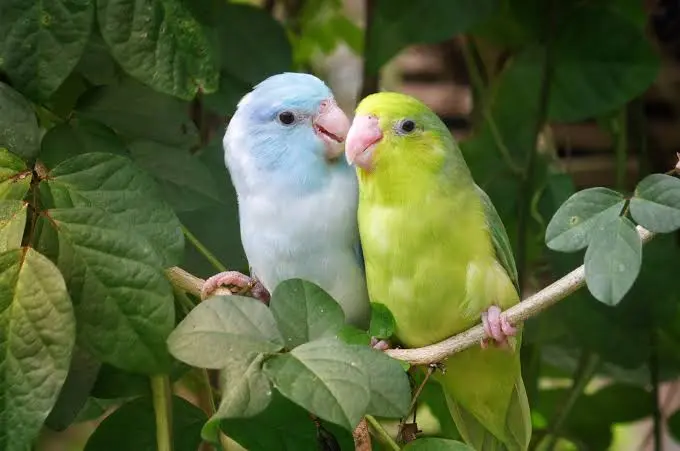
A parrotlet is one of the smallest true parrots kept as a companion bird. The Pacific parrotlet is among the most popular pet species, and adult birds are generally under six inches long. Despite that size, they have many classic parrot traits, including strong curiosity, learning ability, vocal communication, and a tendency to form close bonds with people.
So, is a parrotlet a parrot? Absolutely. The term pocket parrots is often used because these birds combine a compact body with the personality and intelligence people associate with larger parrots. Merck Veterinary Manual also lists parrotlets among pet parrots and describes them as relatively quiet and small birds.
A useful way to picture a parrot parrotlet is as a miniature athlete with a huge personality. It may explore every corner of its cage, investigate your hands, learn simple behaviors, and insist on being part of the household.
How Big Do Parrotlets Get?
One reason people choose small parrots is their manageable size. A typical parrotlet is around five to six inches long, although size varies by species. The Pacific parrotlet is especially compact.
However, a small body should never be confused with a low-maintenance pet. These birds need room to climb, stretch their wings, play, and move between perches. A properly sized cage with narrow bar spacing is important because a tiny bird can escape through gaps designed for larger birds.
When planning a home for a parrot parrotlet, think vertically and horizontally. Include several safe perches, room for toys, food and water dishes, and enough open space for movement.
What Is a Parrotlet Personality Like?
The parrotlet personality is one of the biggest reasons owners fall in love with these birds. They can be playful, curious, affectionate, independent, and surprisingly confident.
Some are happy to sit on a shoulder while their owner works. Others prefer exploring, chewing, climbing, or practicing tricks. With consistent training, many can learn simple words or sounds, although they should not be chosen primarily for talking ability.
Their confidence can also create challenges. A parrotlet may become territorial around its cage or nippy when it is frightened, overstimulated, or handled inconsistently. Daily gentle interaction helps maintain trust and good manners.
If you want a companion that quietly sits in a cage all day, a parrot parrotlet may not be the right choice. If you enjoy interacting with an energetic little bird, its personality can be incredibly rewarding.
Are Parrotlets Good Pets?
Are parrotlets good pets? For the right household, yes. They are relatively small, generally quieter than many larger parrots, and capable of forming strong bonds with people. Merck Veterinary Manual describes parrotlets as small, relatively easy to tame when young, and quieter compared with other parrots.
However, they still require a serious commitment. PetMD notes that parrotlets need daily handling and can become nippy or territorial if they are not socialized regularly. Their average lifespan is often around 8–12 years according to PetMD, while some may live considerably longer in captivity.
A parrot parrotlet can therefore be a wonderful choice for someone who has time for daily interaction and wants an intelligent companion rather than a decorative cage bird.
How Do You Care for a Parrotlet?
Good parrotlet care begins with the basics: suitable housing, balanced food, clean water, exercise, social interaction, enrichment, and routine veterinary care.
The cage should be large enough for comfortable movement, with bar spacing that prevents escapes. Keep it away from kitchen fumes and other household hazards. Pet birds are particularly sensitive to toxic fumes, and avian veterinary sources recommend paying close attention to their environment.
What do parrotlets eat? A quality formulated pellet can provide the nutritional foundation, supplemented with appropriate fresh vegetables and small amounts of fruit. Seeds should not become the entire diet because an unbalanced seed-heavy diet can contribute to nutritional problems. Fresh water should be available every day.
A parrotlet also needs opportunities to forage, chew, climb, and explore. Rotate safe toys rather than filling the cage with too many objects at once. This keeps the environment interesting and gives the bird reasons to stay active.
How Much Attention Does a Parrotlet Need?
Attention is not an optional extra for a social bird. Daily handling, training, talking, and supervised out-of-cage activity can help maintain a strong relationship.
One practical routine is to spend a few minutes in the morning refreshing food and water, offer a short training session later in the day, and provide supervised play or flight time when your schedule allows. The exact routine should fit the bird and household, but consistency matters.
If your parrot parrotlet suddenly becomes withdrawn, unusually aggressive, stops eating, or shows other changes in behavior, do not assume it is simply being moody. Birds can hide illness, so a veterinarian experienced with birds should evaluate concerning changes.
What Toys Do Parrotlets Need?
Parrotlets are active little birds, and toys can provide both exercise and mental stimulation. Useful options include shreddable toys, safe wooden toys, swings, small foot toys, and simple foraging activities.
Watch how your bird uses each toy. Some birds love chewing while others prefer climbing or manipulating small objects. Rotate toys regularly and remove anything that becomes damaged or develops loose strands or unsafe parts.
This is also where an enrichment-focused approach can be improved: instead of simply recommending toys, match each toy to a natural behavior. A shredding toy satisfies the urge to destroy, a swing encourages movement, and a foraging toy makes mealtime more mentally engaging.
Are Parrotlets Good for Beginners?
Are parrotlets good for beginners? They can be, but they are not completely hands-off pets. A first-time bird owner should be ready to learn about diet, safe housing, body language, handling, and avian health.
Their small size can make them appealing to people living in apartments or smaller homes, but their intelligence means they still need attention. A beginner who expects a tiny bird to require tiny amounts of care may be disappointed.
Before bringing home a parrotlet, consider whether you can provide daily interaction, a safe cage, appropriate food, enrichment, and veterinary care for many years.
A Realistic Case Study: When Small Size Creates Big Expectations
Consider the experience of a first-time bird owner who brings home a young parrotlet because it seems easier than owning a large parrot. During the first few weeks, the bird is curious and affectionate. The owner enjoys letting it sit on a shoulder but keeps most of its time inside a basic cage.
Soon, the bird begins chewing the cage bars, calling more often, and becoming nippy when a hand enters its cage. Instead of treating these behaviors as a personality problem, the owner changes the routine: more supervised interaction, short positive training sessions, additional safe enrichment, and a better-organized cage.
Over time, the bird becomes easier to handle and more engaged with the household.
This is an illustrative case study rather than a claim about one named owner. It reflects a common lesson in parrot care: behavior often improves when the bird’s physical and social needs are understood and met consistently. Regular interaction and enrichment are important parts of responsible pet-bird care.
Final Thoughts
A parrot parrotlet may be tiny, but it is not a tiny commitment. These birds can be intelligent, entertaining, affectionate companions when their owners understand their needs.
The best home provides a balanced diet, safe housing, daily interaction, enrichment, exercise, and appropriate veterinary care. If you are prepared for those responsibilities, a parrotlet can bring years of personality and companionship into your home.
The biggest mistake is judging the bird by its size. Think small body, big personality, and real parrot needs.
FAQs
Can a parrot parrotlet live alone?
Yes, but a parrot parrotlet needs regular human interaction, enrichment, and socialization to remain active and mentally stimulated.
Do parrot parrotlets need a companion?
Not necessarily. A well-socialized parrot parrotlet can bond closely with its owner, although individual birds have different social needs.
Are parrot parrotlets noisy birds?
Parrot parrotlets are generally quieter than larger parrots, but they can still make frequent calls when excited or seeking attention.
Can a parrot parrotlet learn tricks?
Yes. With patience and positive reinforcement, many parrotlets can learn simple tricks, step-up commands, and other behaviors.
What colors do parrot parrotlets come in?
Parrotlets can have several color variations, including green, blue, yellow, and other mutations depending on the species.

Patrick Bravo takes readers on a heartwarming journey through the world of pet adoption. He champions shelter animals, shares inspiring rescue stories, and encourages families to open their hearts and homes to pets in need.