Dogs and cats are familiar companions, but some animal lovers are drawn to pets that are far less common. Rarest Pets can include unusual mammals, reptiles, birds, amphibians, and even small invertebrates. Their uncommon appearance or behavior can make them fascinating, but owning one also requires careful planning.
Before choosing one of the Rarest Pets, it is important to look beyond appearance. Housing, diet, lifespan, veterinary care, temperament, and local laws can all affect whether an animal is suitable for your home. Exotic animals often have highly specialized needs, and some may require permits or other legal approvals.
So, what are the Rarest Pets that people may keep? Here are some unusual options and the important things to know before bringing one home.
Content
What Makes a Pet Rare?
The word “rare” can mean different things. A pet may be uncommon because very few people keep that species, because it is difficult to find from responsible breeders, or because its care requirements make it unsuitable for most households.
Some rare pets are also considered exotic pets because they are not traditionally domesticated. Others, such as certain reptiles, rodents, or birds, are more established in the pet trade but remain unusual compared with dogs and cats.
This distinction matters. An animal being uncommon does not automatically mean it is difficult to care for, while a visually appealing exotic animal may have extremely demanding needs.
What Are the Rarest Pets to Own?
1. Fennec Foxes
Fennec foxes are famous for their enormous ears, small size, and desert-adapted appearance. They are among the most unusual pets you can own, but their small size should not be confused with easy care.
They are naturally active and curious. They can also dig, explore, and behave very differently from domesticated dogs. Anyone considering one should research local regulations and whether an experienced exotic-animal veterinarian is available nearby.
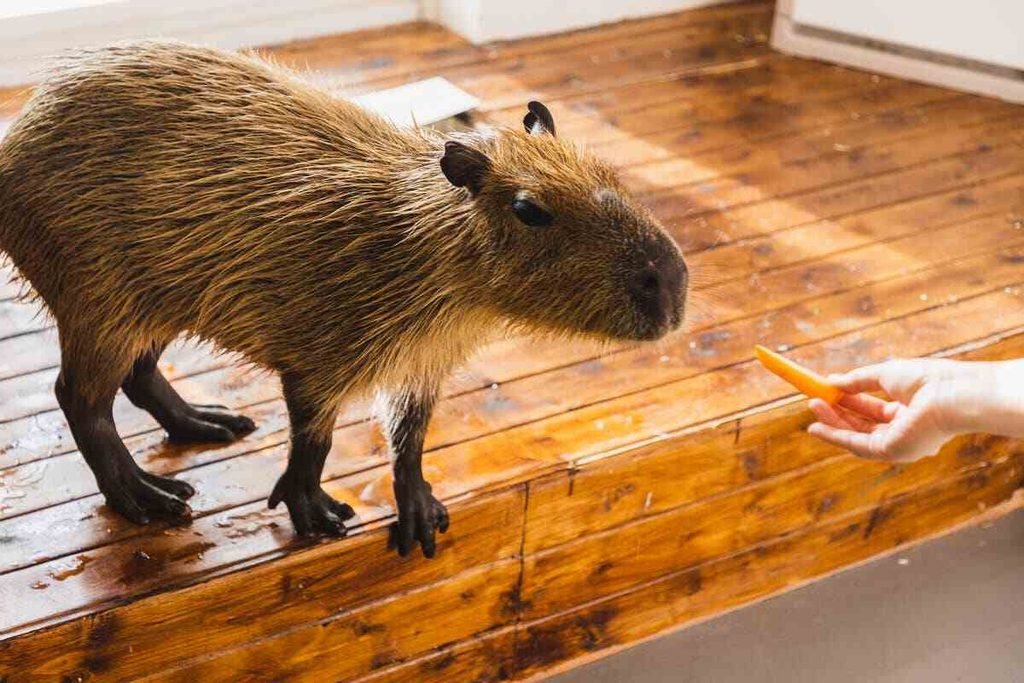
2. Capybaras
Capybaras have become recognizable through social media, but keeping one is very different from simply seeing one online. These large rodents are social animals and need appropriate space, environmental enrichment, and suitable companionship.
Their size and lifestyle make them unsuitable for many ordinary homes. A prospective owner should investigate enclosure requirements and local rules before considering a capybara.
3. Axolotls
Axolotls are aquatic salamanders known for their unusual appearance and regenerative abilities. They can be fascinating pets for someone prepared to maintain an appropriate aquarium environment.
Their care revolves around water quality, temperature, filtration, feeding, and safe handling. While an axolotl may take up less household space than a large exotic mammal, its environment still needs consistent attention.
4. Kinkajous
Kinkajous are small mammals related to raccoons and are sometimes kept as exotic pets. Their climbing ability and nocturnal lifestyle can make them especially interesting.
However, they are not simply unusual versions of cats or dogs. Their natural behaviors can create challenges in a typical home, so anyone considering one should research its behavioral and environmental needs thoroughly.
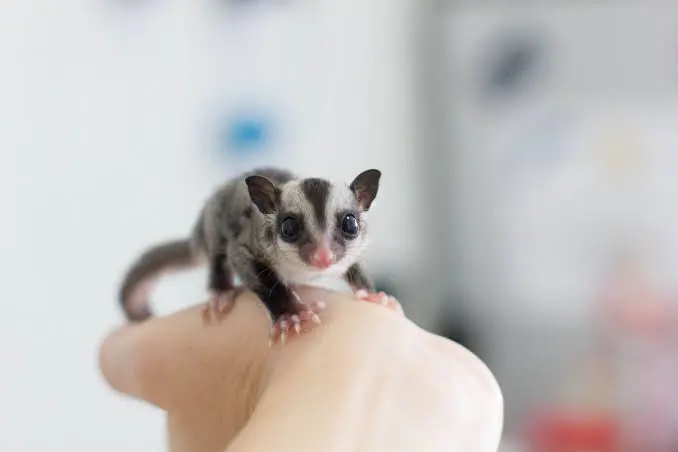
5. Sugar Gliders
Sugar gliders are small marsupials that can glide between surfaces. Their size makes them attractive to people looking for unusual pets, but their social and behavioral needs should not be underestimated.
They need appropriate enrichment, nutrition, housing, and interaction. A potential owner should also understand that keeping a social animal may involve providing suitable companionship rather than expecting it to live happily with minimal attention.
6. Chinchillas
Chinchillas are not among the world’s most obscure animals, but they remain relatively uncommon compared with conventional pets. Their soft fur and energetic personalities make them appealing to experienced owners.
They need suitable housing, opportunities for exercise, dust bathing, and protection from excessive heat. Their care demonstrates an important point about Rarest Pets: unusual does not always mean wild, but uncommon species can still have very specific requirements.
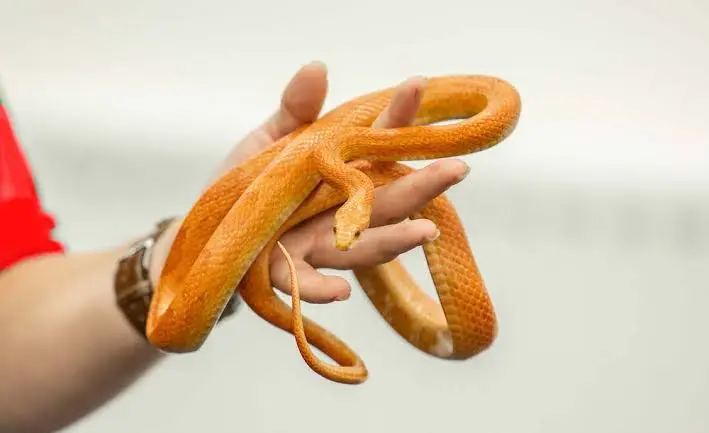
7. Unusual Reptiles
Reptiles such as certain geckos, snakes, and other specialized species can also fall into the category of uncommon pets. Some may be manageable for beginners, while others require considerable experience.
The enclosure must provide appropriate temperature, humidity, lighting, security, and enrichment. Regulations can also vary considerably depending on the species and location.
Are Rare Pets Legal to Own?
One of the most important questions about Rarest Pets is whether you can legally keep them.
There is no universal list of animals that everyone can own. Rules may differ between countries, states, provinces, counties, and cities. Some animals can be privately owned without a special permit in one location but restricted or prohibited somewhere else.
For example, Animal Care Unlimited’s Ohio-focused guide distinguishes between exotic animals that may be kept, prohibited species, and animals requiring permits. Its examples include restrictions involving big cats, bears, primates, and certain snakes.
Federal requirements can also matter when animals are imported or transported. USDA APHIS notes that multiple federal and state agencies may regulate certain animals and that additional agencies may be involved when traveling with exotic animals.
Always verify current regulations with the appropriate local authorities before purchasing or adopting an unusual animal.
A Real-Life Case: Why Legal Checks Matter
A recent case involving an African serval in Louisiana shows why researching exotic-pet ownership should happen before bringing an animal home.
In September 2026, firefighters responding to a house fire discovered a serval being kept in a backyard enclosure. Local animal-welfare officials determined that the animal did not have the required permit. The serval was eventually moved to a zoo that could provide more suitable space and care.
The case illustrates an important lesson: owning an exotic animal is not simply about having enough interest or money to purchase it. The animal’s physical requirements, legal status, housing, diet, and access to appropriate care all need to be considered beforehand.
What Should You Consider Before Getting a Rare Pet?
Before choosing one of the Rarest Pets, ask yourself a few practical questions:
- Is it legal? Check local, state, and national regulations.
- Can I provide the right habitat? Some species need specialized heating, humidity, water systems, or large enclosures.
- Can I afford its care? Food, equipment, enclosure upgrades, and veterinary visits can add up.
- Is an exotic veterinarian nearby? Specialized veterinary access is an important part of responsible ownership.
- What does it eat? Some animals require species-specific diets that are difficult to provide.
- How long does it live? A pet may remain your responsibility for many years.
- Does it need companionship? Some social species should not be housed alone.
- Does its behavior fit my lifestyle? Nocturnal, highly active, destructive, or territorial behavior can be difficult in a normal household.
The enclosure is particularly important. Exotic-pet care may involve species-specific food, enrichment, hygiene, veterinary care, and carefully controlled environmental conditions.
Are the Rarest Pets Suitable for Everyone?
Not necessarily. Rarest Pets can be fascinating, but rarity should never be the main reason for choosing an animal.
A responsible owner should choose based on the animal’s welfare requirements and their own ability to meet those needs. Someone living in a small apartment, for example, may not be able to provide the space required by a large or highly active species.
It is also wise to avoid choosing an animal simply because it is trending online. Videos often show the most entertaining moments while leaving out the daily cleaning, feeding, enclosure maintenance, veterinary care, and behavioral challenges.
Final Thoughts
The Rarest Pets can offer an extraordinary experience for knowledgeable and prepared owners. From unusual mammals to fascinating reptiles and aquatic species, there are many animals that fall outside the traditional definition of a household pet.
However, the most important question is not simply which animal looks unusual. It is whether you can provide the right environment, nutrition, veterinary care, enrichment, and legal conditions throughout its life.
If you are considering one of the Rarest Pets, research the species first, check the laws in your area, and speak with an appropriate exotic-animal veterinarian before making a commitment. Responsible preparation helps ensure that an unusual pet remains a healthy and well-cared-for companion.
FAQs About Rarest Pets
What is the rarest pet in the world?
There is no single universally recognized rarest pet. Rarity depends on availability, species population, location, and how commonly an animal is kept as a pet.
What are some rare exotic pets?
Some examples include fennec foxes, capybaras, kinkajous, sugar gliders, axolotls, and certain unusual reptiles. Ownership requirements vary by location.
Can you legally own rare pets?
Some rare pets can be legally owned, while others require permits or are prohibited. Always check current local laws before acquiring an exotic animal.
Are rare pets difficult to care for?
Some rare pets have specialized diets, housing, temperature, social, or veterinary needs. Researching the species beforehand is essential for responsible ownership.
What should I consider before getting a rare pet?
Consider legality, habitat requirements, diet, veterinary access, costs, lifespan, temperament, social needs, and whether the animal fits your lifestyle.

Patrick Bravo takes readers on a heartwarming journey through the world of pet adoption. He champions shelter animals, shares inspiring rescue stories, and encourages families to open their hearts and homes to pets in need.