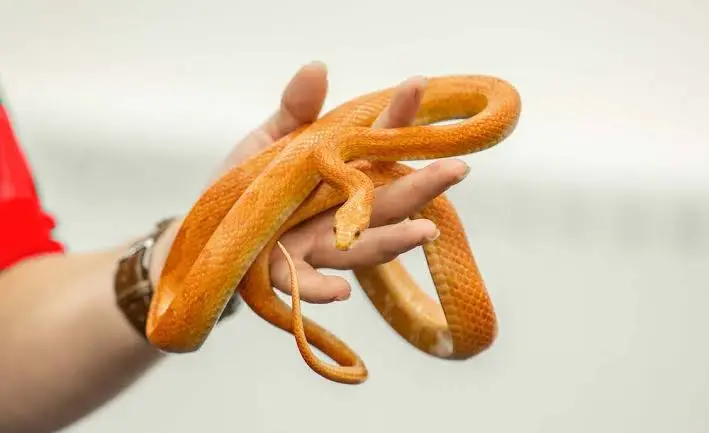
If you love animals but want something different from a traditional dog or cat, you may be considering a legal exotic pets. Exotic animals can be fascinating companions because they often have unusual appearances, interesting behaviors, and care routines that differ from conventional pets.
However, choosing an exotic animal requires more research than simply deciding which species looks appealing. An animal may be permitted in one state or city but restricted in another. Its care requirements can also be much more complicated than they initially appear.
So, what are the best options for someone looking for a legal exotic pets that is also relatively easy to care for? The answer depends on your location, experience, available space, budget, and willingness to meet the animal’s specific needs.

Content
What Makes an Exotic Pet Easy to Care For?
The phrase “easy to care for” does not mean an animal requires little attention. Every pet needs appropriate food, clean housing, enrichment, health monitoring, and veterinary care.
A manageable exotic animal is generally one whose daily requirements fit comfortably into an owner’s lifestyle.
When evaluating an easy-to-care-for exotic pet, consider:
- Housing: Does the animal need a cage, aquarium, terrarium, or specialized enclosure?
- Diet: Can you easily obtain the correct food?
- Temperament: Is the species naturally comfortable around people?
- Space: Will you have enough room as the animal reaches adulthood?
- Cleaning: How frequently does its habitat need maintenance?
- Veterinary care: Is an exotic-animal veterinarian available nearby?
- Lifespan: Can you commit to caring for it for its entire life?
- Legal requirements: Is ownership permitted in your area?
- Cost: Can you afford food, equipment, routine care, and emergencies?
These questions are more important than simply searching for the “easiest” species.
1. Hedgehogs
Hedgehogs are small mammals that attract people who want an unusual companion without the space requirements associated with larger animals. Their curious personalities and distinctive appearance make them popular among exotic-pet enthusiasts.
A hedgehog needs a secure enclosure with enough room to move, hide, sleep, and exercise. A suitable exercise wheel can provide an important outlet for activity.
Diet is another essential part of responsible care. Owners should provide nutritionally appropriate food and avoid relying heavily on treats. Fresh water should always be available.
Hedgehogs can also be shy when introduced to a new environment. Some individuals become comfortable with regular, gentle handling, while others remain more reserved.
Before purchasing a hedgehog, verify whether it qualifies as a legal exotic pets in your location. Laws differ significantly between jurisdictions, and some areas prohibit or restrict hedgehog ownership.
Best suited for: People who want a small companion and are willing to learn specialized mammal care.
2. Degus
Degus are small rodents originating from South America. They are active, intelligent, and social animals that can be rewarding for owners who enjoy watching natural behaviors.
One of the most important aspects of degu care is companionship. Degus are social animals and generally benefit from living with compatible members of their species rather than being kept alone.
Their enclosure should provide plenty of vertical and horizontal space. Platforms, tunnels, safe branches, chewable items, and other forms of enrichment can encourage natural behaviors.
Nutrition also deserves careful attention. Degus require a high-fiber diet, and owners should be cautious about foods containing excessive sugar.
Because they are active animals, degus may not be the best choice for someone expecting a pet that simply sits quietly in a small cage.
Still, for the right household, a degu can be an interesting legal exotic pets option where local regulations permit ownership.
Best suited for: Owners who enjoy active, social small mammals and can provide appropriate companionship and enrichment.
3. Chinchillas
Chinchillas are famous for their exceptionally soft fur and energetic personalities. They can make fascinating companions, but prospective owners should understand their environmental needs before bringing one home.
Temperature is particularly important. Chinchillas are naturally adapted to cooler conditions, and excessive heat can be dangerous. Owners living in hot climates need a reliable plan for keeping the animal’s environment appropriately cool.
Their enclosure should be spacious and include safe levels, hiding places, and opportunities for exercise. Chinchillas also require regular dust baths because their dense coats should not be exposed to conventional water bathing.
Their diet should primarily consist of appropriate high-fiber foods, with treats kept limited.
Another consideration is lifespan. A chinchilla is a long-term commitment, so it should never be treated as a temporary novelty.
When considering a legal exotic pets, chinchillas can be appealing because they are relatively small and their routine care can be straightforward once their environmental needs are understood.
Best suited for: Owners who can maintain a cool environment and provide long-term specialized small-mammal care.
4. A Beginner-Friendly Reptile
Reptiles can be excellent choices for people who prefer observing animal behavior rather than constantly handling a pet. Some commonly kept gecko species, for example, have well-established husbandry requirements and manageable adult sizes.
However, reptile ownership requires preparation.
The enclosure should be established before the animal arrives. Depending on the species, you may need appropriate heating, lighting, humidity control, substrate, hiding areas, climbing opportunities, and feeding equipment.
Temperature and humidity should be monitored rather than estimated. A reptile can look healthy while living in an unsuitable environment, so reliable equipment and regular observation are important.
Food requirements also vary. Some species eat insects, while others require different nutritional arrangements.
A legal exotic pets reptile should therefore be selected according to your ability to provide its specific habitat rather than simply its appearance or purchase price.
Best suited for: Beginners who enjoy learning about habitat management and natural animal behavior.
5. Exotic-Looking Domestic or Hybrid Cats
Some people want the appearance of a wild feline but do not necessarily want to own an actual wild animal. Certain domestic or recognized hybrid cat breeds may provide an alternative worth researching.
This category requires especially careful research because “wild-looking” does not automatically mean “wild.”
A domestic cat breed has fundamentally different care and behavioral considerations from a wild feline. Some hybrid cats may also have specific temperament, generation, housing, or legal considerations.
Before choosing one, research the animal’s adult size, energy level, behavior, nutritional requirements, and exercise needs.
You should also investigate local regulations. Depending on the breed and its ancestry, a legal exotic pets may still be subject to additional restrictions or documentation requirements.
Best suited for: Experienced cat owners who have thoroughly researched the specific breed and applicable regulations.
Exotic Pets That Are Difficult for Beginners
Not every unusual animal is appropriate for a first-time owner.
Large wild cats, primates, large carnivores, venomous reptiles, and some large constricting snakes can have extremely demanding care requirements.
Their needs may include substantial space, specialized diets, advanced enclosure systems, extensive enrichment, experienced handling, and access to specialized veterinary services.
Real-Life Case Study: Preparation Makes the Difference
Consider a first-time exotic-pet owner who purchases a small mammal after seeing videos online. The animal appears friendly, inexpensive, and easy to maintain.
After bringing it home, the owner discovers several unexpected challenges. The enclosure requires more space than expected, the recommended diet is different from ordinary pet food, and finding a veterinarian familiar with the species is difficult.
The owner eventually realizes that the biggest mistake was not choosing the animal itself. The mistake was purchasing it before understanding its complete care requirements and local regulations.
This situation is common enough to provide an important lesson: research should happen before acquisition, not afterward.
Before choosing a legal exotic pets, identify a veterinarian, calculate the initial setup cost, estimate monthly expenses, research the animal’s adult size, and confirm its legal status.
How to Choose the Right Exotic Pet

Choosing among exotic pets for beginners becomes easier when you focus on lifestyle rather than appearance.
Ask yourself how much time you can dedicate each day. Think about whether you want an animal that enjoys handling or one that is primarily interesting to observe.
Consider the space available in your home. A small animal may still require a surprisingly large enclosure.
Your budget also matters. The purchase price is only one part of pet ownership. Habitat equipment, food, bedding, enrichment, veterinary examinations, and emergency treatment can add substantially to the overall cost.
Final Thoughts
Owning an unusual animal can be a rewarding experience, but responsible ownership starts with realistic expectations. The best legal exotic pets is one that you can care for properly throughout its entire life—not simply one that is attractive or unusual.
Hedgehogs, degus, chinchillas, certain beginner-friendly reptiles, and some domestic or hybrid cats may be worth researching. However, their suitability depends on individual circumstances and local regulations.
FAQs About Legal Exotic Pets
What is a legal exotic pets?
A legal exotic pets is an unusual animal that can legally be owned in a particular jurisdiction, subject to applicable regulations and permits.
Are exotic pets easy to care for?
Some species have manageable care routines, but every exotic animal has specialized needs involving habitat, nutrition, enrichment, and healthcare.
What are the best exotic pets for beginners?
Suitable small mammals and certain reptiles may be considered, but beginners should research individual species carefully before choosing one.
Do exotic pets require special veterinarians?
Many exotic animals benefit from veterinarians experienced with their species because their health and nutritional needs differ from dogs and cats.
How do I know if an exotic pet is legal?
Check current state, provincial, county, municipal, or national regulations and determine whether ownership requires a permit or license.

Patrick Bravo takes readers on a heartwarming journey through the world of pet adoption. He champions shelter animals, shares inspiring rescue stories, and encourages families to open their hearts and homes to pets in need.