Keeping a dog clean is about much more than making their coat look neat. Regular grooming can help you notice mats, skin changes, overgrown nails, ear problems, and other issues early. The right Dog Grooming Tools also make routine care easier and more comfortable for both you and your pet. Grooming needs vary by breed, coat type, and lifestyle, so there is no single kit that works perfectly for every dog.
Content
1. Slicker Brush
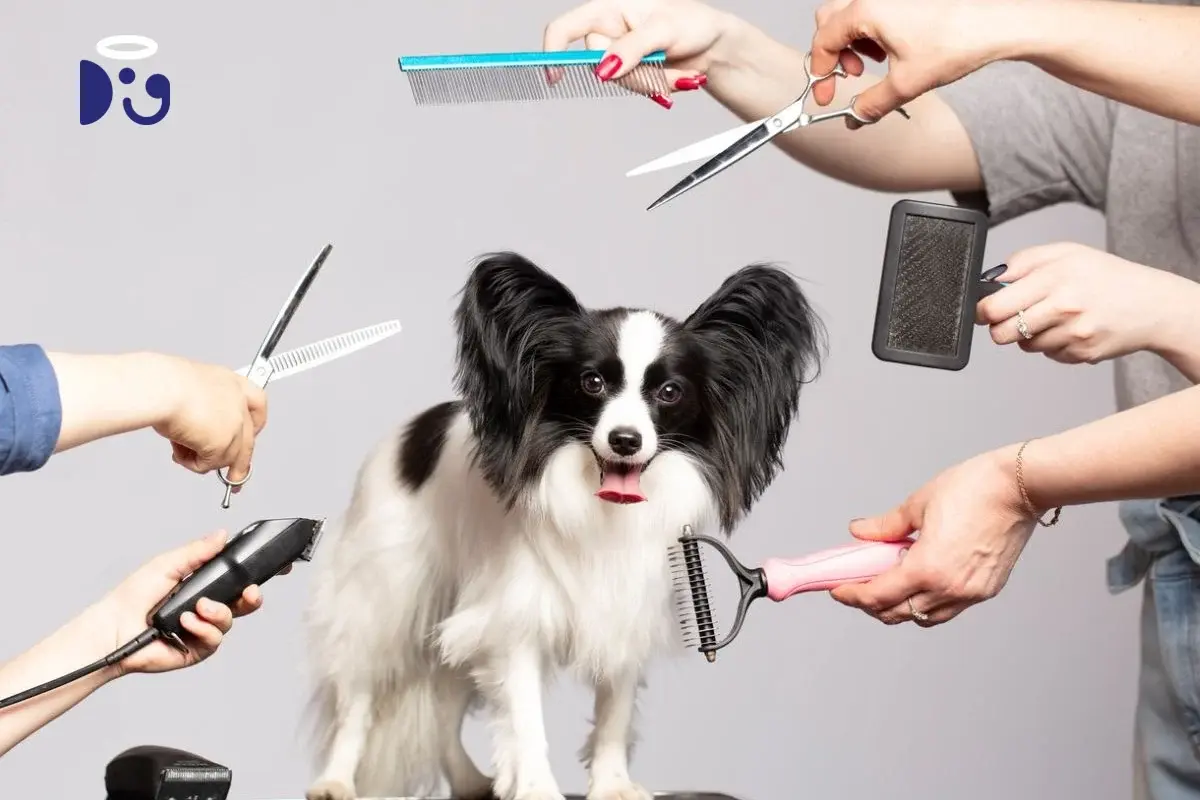
A slicker brush is one of the most useful Dog Grooming Tools for removing loose hair and working through small tangles. It can be especially helpful for long, curly, or fluffy coats.
Use gentle strokes and avoid repeatedly brushing one sensitive area. Regular brushing can remove debris and loose hair while helping you spot mats, skin irritation, or unusual changes in the coat.
2. Grooming Comb
A metal grooming comb can reach areas where a brush may miss hidden tangles. It is useful around the ears, legs, tail, and other detailed areas.
A comb is also helpful for checking whether you have brushed through the coat completely. For long-haired dogs, combining a suitable brush with a sturdy comb can make regular coat maintenance much easier.
3. Nail Clippers or a Grinder
Nail care should be part of your basic routine. Dog nail clippers are simple for owners who are comfortable trimming, while a grinder can gradually shorten nails.
If you are unsure where the quick is or your dog strongly resists, ask a groomer or veterinarian to demonstrate safe technique. Cutting too far into the quick can cause pain and bleeding, so learning proper technique is important.
4. Dog-Safe Shampoo
Choose shampoo formulated specifically for dogs rather than using human products. A suitable dog shampoo should match your pet’s skin and coat needs.
Bathing too frequently can also dry the skin, so build a routine around your dog’s lifestyle and grooming needs. Human shampoo is not recommended because its formulation may irritate a dog’s skin.
5. Ear-Care Supplies
A dog-specific ear-cleaning product is among the Dog Grooming Tools worth keeping on hand when routine ear care is appropriate.
Never push objects deep into the ear canal. If you notice strong odor, discharge, redness, swelling, or persistent scratching, veterinary advice is more appropriate than simply adding another grooming product.
6. Toothbrush and Dog-Safe Toothpaste
Dental care is often forgotten when owners think about grooming. A dog toothbrush and toothpaste made for dogs can help make tooth brushing part of everyday care.
Never substitute human toothpaste, because some ingredients can be harmful to dogs. Regular tooth brushing is an important part of routine hygiene, while serious dental buildup may require professional veterinary care.
7. Grooming Scissors
Rounded-tip grooming scissors can be useful for limited trimming around areas such as the feet or face, but scissors require care because dogs can move suddenly.
Do not use household scissors to cut mats close to the skin. Difficult mats or major haircuts are better handled by a trained professional. The wrong movement can accidentally cut the skin, especially when a dog is nervous or restless.
8. Deshedding Tool
For dogs with undercoats, a suitable deshedding tool can remove loose hair and reduce the amount of fur around your home.
The correct tool depends on the coat. Avoid aggressive or excessive use because the goal is to remove loose hair without irritating the skin. Dogs with different coat types can require very different grooming approaches.
9. Pet-Safe Dryer
After a bath, a pet-specific dryer can help dry the coat safely when your dog is comfortable with the noise and airflow.
Human dryers may become too hot, so use equipment designed for pets and keep airflow at a comfortable temperature and distance. Introduce the sound gradually if your dog is nervous around grooming equipment.
10. Grooming Wipes
Grooming wipes are convenient for muddy paws, small outdoor messes, and quick cleanups between baths.
They are not a replacement for bathing when a dog is genuinely dirty, but they can be useful for everyday maintenance. Keeping a pack near the door can make post-walk cleanup much easier.
How to Choose Dog Grooming Tools for Different Coat Types
Before buying a large dog grooming kit, remember that the best Dog Grooming Tools are selected for the individual dog rather than simply following a generic checklist.
Short coats may need simple brushing and basic nail care, while long or dense coats can require a slicker brush, comb, and coat-specific tools. Curly coats often need regular brushing to reduce matting.
Your dog’s lifestyle matters too. A dog that spends lots of time outdoors may need more frequent brushing and paw checks than a mostly indoor companion. Ask your groomer or veterinarian which tools fit your dog’s specific coat and grooming routine.
Best Dog Grooming Tools for Beginners
If you are building your first kit, start with the essentials rather than buying every accessory available.
A practical starter collection can include:
- A suitable brush
- Metal grooming comb
- Nail clippers or grinder
- Dog shampoo
- Toothbrush and dog-safe toothpaste
- Ear-care supplies
- Grooming wipes
- A pet-safe dryer if regular bathing requires one
These Dog Grooming Tools can cover many basic maintenance tasks without making your grooming routine unnecessarily complicated.
Real-Life Case Study: A Long-Coated Dog’s Home Routine
Consider the experience of a long-coated family dog that frequently developed small tangles behind the ears and around the legs. Instead of waiting for mats to become difficult, the owner introduced short brushing sessions several times a week, followed by a metal comb check.
Nail care and paw checks were added to the same routine, while bathing was done only when needed. This kind of maintenance approach reflects established grooming guidance: regular brushing can help remove debris and loose hair, while coat-specific tools should be chosen according to the dog’s needs.
The practical lesson is simple: consistent, gentle maintenance is often easier than trying to fix a neglected coat later.
Basic Safety Tips for Home Grooming
Keep these points in mind when using grooming supplies at home:
- Choose tools according to coat type and grooming task.
- Introduce new equipment gradually and reward calm behavior.
- Keep blades, scissors, and nail tools clean and in good condition.
- Stop if your dog becomes highly stressed or struggles repeatedly.
- Check the skin, paws, ears, and coat during grooming.
- Use only products made for dogs.
- Ask a professional for help with severe mats, difficult nail trims, skin abnormalities, or complicated haircuts.
When Professional Grooming Makes Sense
Home care is excellent for maintenance, but it does not mean every grooming job should be done at home. Professional groomers have specialized equipment and training for complicated trims, severe matting, breed-specific styling, and dogs that are difficult to handle.
If a coat is tightly matted, a nail trim becomes unsafe, or you notice a skin or ear problem, getting professional help can be safer than experimenting with additional Dog Grooming Tools. The goal of home grooming is routine care, not replacing every professional service.
Your dog’s lifestyle matters too. A dog that spends lots of time outdoors may need more frequent brushing and paw checks than a mostly indoor companion. Dog Walking Accessories such as leashes, harnesses, and waste-bag holders can also support a clean and organized routine before and after outdoor walks. Ask your groomer or veterinarian which tools fit your dog’s specific coat and grooming routine.
Final Thoughts
The best Dog Grooming Tools are not necessarily the most expensive ones. They are the tools that suit your dog’s coat, size, temperament, and grooming needs.
A thoughtful routine can make brushing, bathing, nail care, ear care, and dental care easier to manage at home. Home grooming is also a useful opportunity to notice changes early, while professional grooming remains valuable for complex trims and tasks that require specialized training.
FAQs About Dog Grooming Tools
How often should you groom a dog?
Grooming frequency depends on your dog’s coat, activity level, and individual needs.
Can Dog Grooming Tools be shared between dogs?
Dog Grooming Tools can be shared if they are cleaned and disinfected properly between uses.
How should Dog Grooming Tools be cleaned?
Clean Dog Grooming Tools after use by removing hair and following the tool maker’s cleaning instructions.
Should grooming tools be replaced regularly?
Replace Dog Grooming Tools when they become damaged, dull, rusty, or difficult to use safely.

Patrick Bravo takes readers on a heartwarming journey through the world of pet adoption. He champions shelter animals, shares inspiring rescue stories, and encourages families to open their hearts and homes to pets in need.