A good dog feeding guide starts by answering how much dog food should i feed my dog from the dog’s individual needs rather than the scoop. The goal is enough nutrition to maintain a healthy weight, steady energy, good digestion, and a comfortable body condition.
When deciding how much dog food should i feed my dog, the right amount depends on your dog’s ideal weight, age, activity level, and the calorie density of the food. Start with the feeding recommendation on the package, then treat it as a starting point rather than an absolute rule.
For example, if the package suggests two cups a day, a very active dog may need an adjustment, while a dog gaining weight may need a smaller portion.
Content
What Determines Your Dog’s Daily Food Needs?
Several factors influence daily dog food intake, so how much dog food should i feed my dog can change as these factors change.
Weight and Body Condition
Feeding dogs by weight is useful, but ideal body weight matters more than the number on a scale. Two dogs with the same weight can have different calorie needs.
Age
Puppies need energy for growth and development, while adults generally need maintenance calories. Senior dogs may become less active and need fewer calories.
Activity Level
A dog that spends the day running, hiking, or training usually needs more energy than one taking short walks and sleeping much of the day.
Breed and Metabolism
Breed can influence size, activity, and metabolism, but individual dogs can still differ considerably.
Health
Health problems, weight-management goals, pregnancy, nursing, and recovery can change nutritional needs. Professional advice is especially valuable in these situations.
How Much Should I Feed My Dog Based on Weight?
If you are wondering how much should I feed my dog based on weight, begin with the food manufacturer’s feeding chart. Check whether the recommendation refers to the total amount for an entire day or one meal.
Avoid assuming that a cup of every dog food contains the same calories. Different recipes can have very different calorie densities, so a dog food serving size should be interpreted alongside calorie information.
A small dog may need substantially less food than a large dog, but the exact amount depends on the product and individual needs. Use the label as a starting point, then monitor body condition.
How Many Meals Should a Dog Eat?
How often should I feed my dog? Most healthy adult dogs do well with two meals a day, while young puppies commonly need smaller, more frequent meals. A consistent dog feeding schedule makes portions easier to manage.
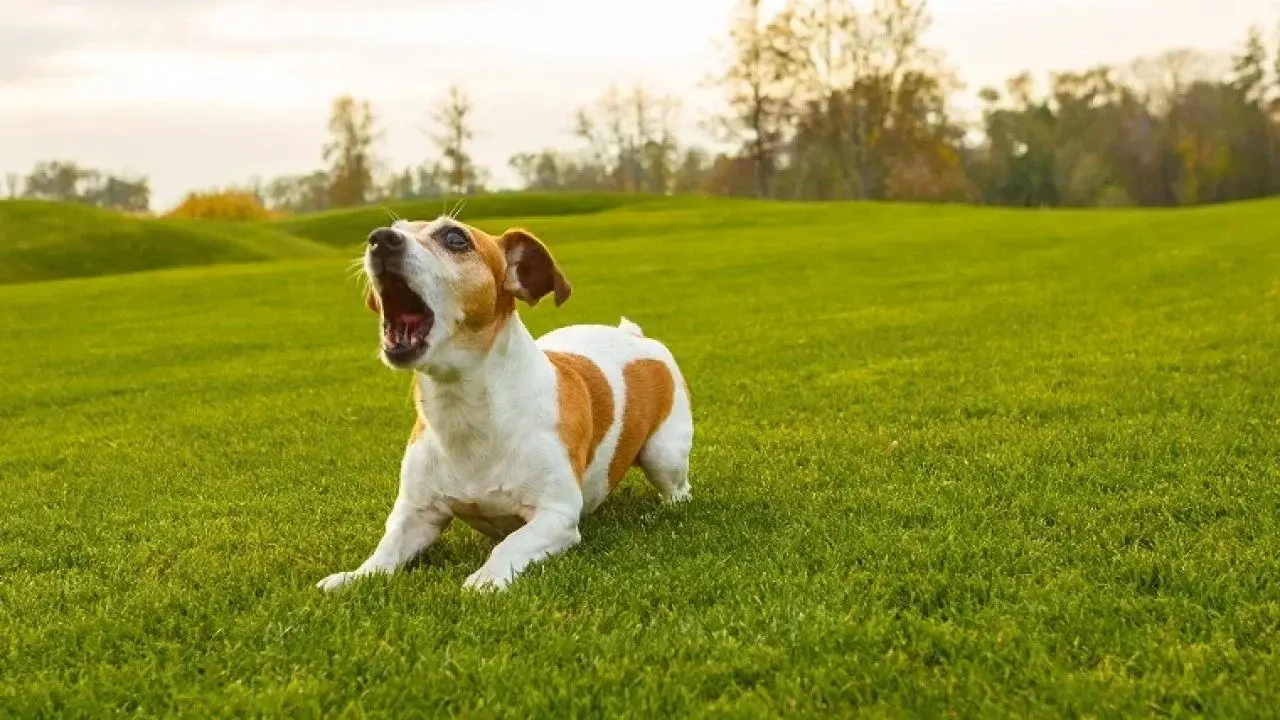
A dog that spends the day running, hiking, training, or staying mentally active usually needs more energy than one taking short walks and sleeping much of the day. Understanding Why Do Dogs Bark can also help owners recognize changes in activity, excitement, stress, or boredom that may affect a dog’s overall routine and feeding needs.
How to Calculate Your Dog’s Daily Food Portion
Learning how to calculate how much food my dog needs does not have to be complicated.
- Check your dog’s ideal weight with a veterinarian or reliable body-condition guidance.
- Read the feeding chart on the dog food package.
- Confirm calories per cup, can, or serving.
- Determine the recommended total for the day.
- Divide that amount between meals.
- Measure each portion consistently.
- Reassess weight and body condition regularly.
For example, if the recommended daily amount is two cups and you feed twice a day, each meal would start at one cup. If treats are given regularly, remember that they contribute calories too.
How Much Dry Food Should I Feed My Dog?
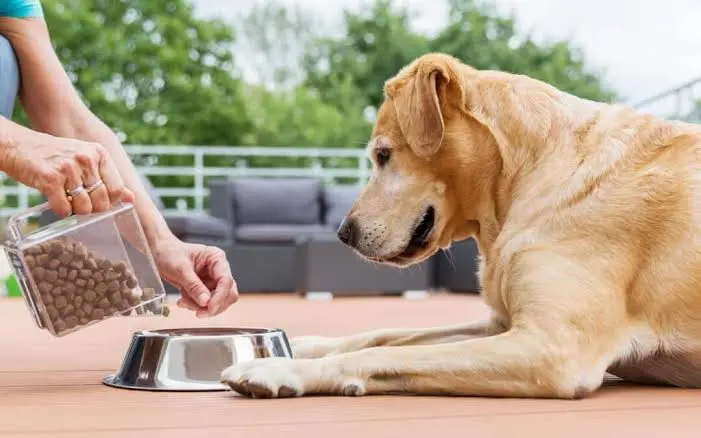
If you are asking how much dry food should I feed my dog, measuring accurately is important. A standard dry measuring cup is better than estimating with a random container.
Avoid estimating portions by eye. For precise weight management, a kitchen scale can provide greater consistency.
The same principle applies when asking how many cups of food should I feed my dog. Cups are useful only when you know the food’s serving size and calorie content.
Treats Count Too
One easy way to accidentally overfeed a dog is to forget treats. Training rewards, dental chews, table scraps, and snacks all add calories.
Portion control for dogs means considering the whole day’s intake, not just the main bowl. If your dog receives several training treats, choose smaller rewards or adjust the main meal appropriately.
Real-Life Case Study: A Less Active Adult Dog
Consider a common situation I have seen among dog owners. A healthy adult dog was receiving the same portion year-round because the owner had found an amount that worked when the dog took long daily walks.
During a quieter period, exercise dropped considerably, but meals stayed unchanged. Over several weeks, the dog slowly gained weight even though the food itself had not changed.
The owner reviewed the package recommendation, measured portions instead of estimating them, reduced extra treats, and increased gentle activity when appropriate. The lesson was not simply “feed less.” It was to match food intake with changing lifestyle and monitor body condition.
This is why how much dog food should i feed my dog should not be treated as a number you choose once and never revisit.
Signs You Are Feeding the Right Amount
How to know if I am feeding my dog enough? Look at the whole picture rather than appetite alone.
Healthy signs can include:
- Stable, appropriate body weight
- A visible waist when viewed from above
- Ribs that can be felt without being prominently visible
- Consistent energy
- Normal stools
- Healthy skin and coat
- Normal appetite and behavior
Unexplained weight loss, persistent digestive problems, unusual thirst, low energy, or major appetite changes deserve veterinary attention.
Common Dog Feeding Mistakes
Even careful owners can make small feeding errors:
- Measuring portions by eye
- Following the package amount without considering activity
- Forgetting calories from treats
- Changing food or portions suddenly
- Using the same amount throughout every life stage
- Confusing a daily recommendation with a per-meal amount
- Ignoring gradual weight changes
A recommended dog food amount is a useful starting point, but your dog’s response tells you whether the plan needs adjustment.
When Should You Recheck Your Dog’s Food Amount?
Reassess portions when your dog gains or loses weight, becomes more or less active, reaches a new life stage, or experiences a health change. Seasonal changes can matter if outdoor exercise changes significantly.
If you are still unsure how much dog food should i feed my dog, ask your veterinarian to assess body condition and ideal weight. This is particularly important for growing puppies, older dogs, pregnant or nursing dogs, and dogs with medical conditions.
Final Thoughts
There is no universal scoop that works for every dog. The best approach to how much dog food should i feed my dog combines the food label, ideal weight, activity level, age, health, and regular monitoring.
Start with a sensible portion, measure it consistently, account for treats, and watch body condition over time. If your dog’s needs change, adjust the feeding plan rather than automatically keeping the same amount.
Ultimately, how much dog food should i feed my dog is a question that should be answered by individual needs, not guesswork. Thoughtful portions and a consistent routine can support a healthy weight, good energy, and a happier daily life.
FAQs About How Much Dog Food Should I Feed My Dog
Can I change my dog’s food suddenly?
No. Introduce new food gradually over several days to reduce the chance of digestive upset.
Should I feed my dog before or after exercise?
A consistent routine is helpful. Avoid large meals immediately before intense exercise, especially in large or deep-chested dogs.
Can weather affect my dog’s food needs?
Yes. Activity may increase or decrease with weather, which can affect your dog’s overall calorie needs.
Should I weigh my dog regularly?
Yes. Regular weight checks can help you notice gradual changes and adjust feeding when needed.
Can my dog’s appetite change with age?
Yes. Appetite and calorie needs can change as dogs move from puppyhood into adulthood and senior years.

Patrick Bravo takes readers on a heartwarming journey through the world of pet adoption. He champions shelter animals, shares inspiring rescue stories, and encourages families to open their hearts and homes to pets in need.