Finding vomit on the floor can be worrying, especially when your cat seems perfectly normal one minute and sick the next. If you are asking, why is my cat vomiting, the answer can range from something minor, such as eating too quickly, to a health condition that needs veterinary attention.
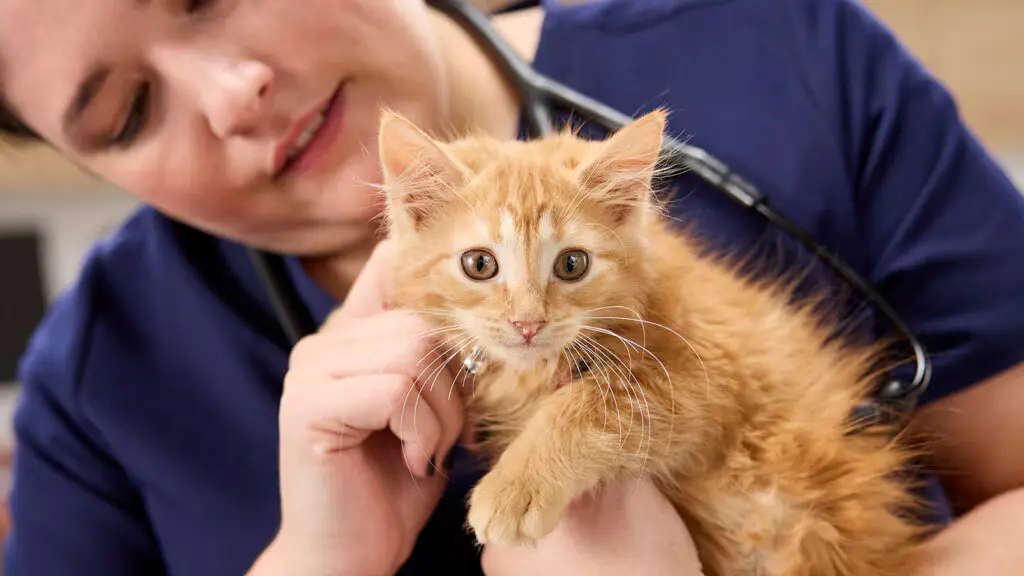
Occasional vomiting can happen to cats, but repeated episodes should not simply be ignored. Cornell notes that cats vomiting more than once a week, or showing signs such as weakness, reduced appetite, blood in the vomit, or diarrhea, should be evaluated by a veterinarian.
Understanding the possible causes can help you recognize when your cat needs closer observation and when professional care is appropriate.
Content
Why Is My Cat Vomiting?
There are many possible explanations for why is my cat vomiting, and the appearance, frequency, and timing of the vomiting can provide useful clues.
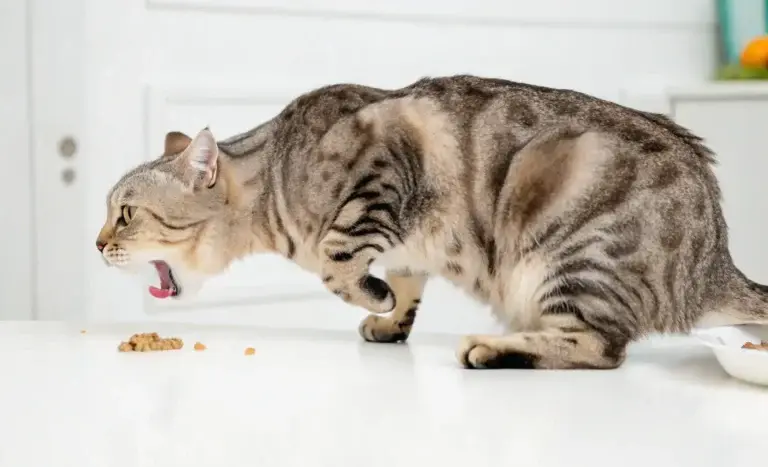
Vomiting is different from simple regurgitation. True vomiting usually involves nausea, retching, swallowing, and abdominal contractions before the stomach contents are expelled.
Some common causes include:
- Eating too quickly
- Hairballs
- Sudden food changes
- Food sensitivity
- Parasites or infections
- Gastrointestinal irritation
- Foreign objects
- Certain medications or toxins
- Kidney or liver disease
- Pancreatitis
- Hyperthyroidism
Because these causes range from mild to potentially serious, the whole picture matters more than one isolated symptom.
Common Reasons Cats Vomit
Hairballs
Hairballs are one of the familiar reasons behind why is my cat vomiting. Cats naturally swallow loose hair while grooming themselves. Some of that hair passes through the digestive system, while some can collect in the stomach and eventually be expelled.
An occasional hairball does not necessarily mean something is wrong. However, frequent vomiting or repeated unsuccessful attempts to bring up a hairball deserve attention.
Regular brushing can reduce the amount of loose hair your cat swallows, particularly if your cat has a long or thick coat.
Eating Too Quickly
Some cats practically inhale their meals. Eating rapidly can lead to stomach discomfort and vomiting soon after eating.
If your cat repeatedly brings up recently eaten food but otherwise seems healthy, consider whether meal speed could be contributing. Smaller portions, puzzle feeders, or slow-feeding methods may help some cats eat more calmly.
Sudden Food Changes
A sudden change in diet can upset a cat’s digestive system. Switching foods gradually can give the digestive tract time to adjust.
Food intolerance or dietary indiscretion can also contribute to vomiting. Veterinary sources list dietary issues, food intolerance, allergies, and ingestion of inappropriate objects among possible gastrointestinal triggers.
Parasites and Infections
Internal parasites and infections can cause vomiting in cats, particularly when vomiting occurs alongside diarrhea, poor appetite, weakness, or other changes.
Kittens may be particularly vulnerable to certain infections. For example, feline panleukopenia can cause vomiting, diarrhea, fever, lethargy, appetite loss, and dehydration.
Health Problems That Can Cause Cat Vomiting
Sometimes why is my cat vomiting has nothing to do with what the cat recently ate.
Medical conditions involving the digestive system or other organs can cause vomiting. Cornell lists conditions such as inflammatory bowel disease, intestinal obstruction, kidney disease, diabetes, and hyperthyroidism among possible causes.
Other possibilities include:
- Pancreatitis
- Liver disease
- Gastrointestinal inflammation
- Foreign-body obstruction
- Certain tumors
- Metabolic disorders
This is why recurring vomiting should not be treated as a normal part of being a cat. A veterinarian may need to investigate the underlying cause rather than simply treating the vomiting itself.
Why Is My Cat Vomiting but Acting Normal?
One of the most confusing situations for owners is why is my cat vomiting but acting normal.
Your cat may vomit once and then immediately return to eating, playing, grooming, or sleeping normally. A single episode without other abnormalities may not indicate a serious problem.
However, acting normal does not automatically rule out illness. Keep track of whether the vomiting happens again, whether your cat is eating and drinking normally, and whether there are changes in bowel movements, urination, energy, or weight.
If vomiting becomes recurrent, veterinary assessment becomes more important. Cornell recommends prompt evaluation when vomiting is frequent or accompanied by symptoms such as lethargy, weakness, decreased appetite, blood, increased thirst, changes in urination, or diarrhea.
Real-Life Case Example: When a Hairball Wasn’t the Whole Story
Consider a common situation seen in cat households.
A cat named Milo occasionally produced hairballs, so his owner initially assumed his new vomiting episodes were simply part of the same pattern. Over several weeks, however, Milo began vomiting more frequently and became less interested in food.
Instead of continuing to treat every episode as a hairball, the owner arranged a veterinary examination. The veterinarian considered several possibilities and recommended diagnostic testing rather than assuming the cause from the appearance of the vomit alone.
This example illustrates an important lesson: a change in frequency or accompanying behavior matters. What looks similar on the floor can have very different underlying causes.
This is a realistic clinical scenario rather than a report of a specific published patient case; individual cats require individual veterinary assessment.
When Should I Worry About My Cat Vomiting?
Knowing why is my cat vomiting is useful, but knowing when vomiting becomes concerning is even more important.
Contact a veterinarian promptly if your cat:
- Vomits repeatedly
- Has blood in the vomit
- Stops eating or drinking
- Becomes weak or unusually sleepy
- Has diarrhea along with vomiting
- Appears to have abdominal pain
- Loses weight
- Shows signs of dehydration
- Has changes in thirst or urination
- May have swallowed a foreign object
Long-term or severe vomiting can be associated with dehydration, weakness, weight loss, and electrolyte abnormalities. Merck Veterinary Manual recommends veterinary evaluation when vomiting is prolonged, occurs frequently, or is accompanied by concerning signs.
What About Poisoning or a Swallowed Object?
This situation requires extra caution.
Cats can accidentally ingest string, yarn, plants, medications, cleaning products, or other household substances. Some foreign objects can cause intestinal obstruction, while certain toxins can cause serious illness.
If you suspect your cat has eaten something poisonous, contact a veterinarian immediately. Do not induce vomiting unless a veterinary professional specifically instructs you to do so, because vomiting can make some poison exposures more dangerous.
What to Do If Your Cat Is Vomiting
If you are wondering what to do if your cat is vomiting, start by observing rather than immediately giving home remedies.
Note:
- How many times your cat vomited
- When it happened
- What the vomit looked like
- Whether food was present
- Whether your cat is eating
- Whether your cat is drinking
- Any diarrhea or constipation
- Changes in behavior or energy
Do not give human medications unless your veterinarian specifically recommends them. Some medications that are safe for people can be dangerous to cats.
If vomiting continues or other symptoms appear, contact your veterinarian. Diagnostic work may include a physical examination, bloodwork, fecal testing, urine testing, X-rays, or ultrasound depending on the situation.
How Can You Help Prevent Vomiting?
Once a serious medical cause has been ruled out, several everyday habits may help reduce digestive problems.
Feed Consistent Meals
Avoid sudden food changes. If a diet change is necessary, ask your veterinarian how to transition your cat appropriately.
Slow Down Fast Eating
Try smaller meals or an appropriate slow-feeding approach if your cat regularly eats too quickly.
Reduce Hair Ingestion
Regular brushing can remove loose fur before your cat swallows it.
Keep Dangerous Items Away
Store medications, chemicals, string, small objects, and potentially toxic plants where your cat cannot reach them. Cornell specifically warns that lilies and several household substances can be dangerous to cats.
Watch Hydration
Vomiting can contribute to dehydration. Signs can include weakness, lethargy, poor appetite, and dry mucous membranes.
Final Thoughts
When asking why is my cat vomiting, remember that there is no single answer. Hairballs, fast eating, dietary problems, parasites, infections, foreign objects, toxins, and underlying diseases can all play a role.
An isolated episode in an otherwise healthy-acting cat may pass, but recurring vomiting or vomiting accompanied by appetite loss, weakness, diarrhea, blood, pain, dehydration, or other changes deserves veterinary attention.
The most useful thing you can do is pay attention to patterns. Your observations about your cat’s food, behavior, frequency of vomiting, and other symptoms can give your veterinarian valuable information when determining what is happening.
FAQs About Why Is My Cat Vomiting
Can cat vomiting be caused by stress?
Yes. Stress can upset some cats’ digestion and may contribute to vomiting, especially after changes in their environment or routine.
What does cat vomit color mean?
Vomit color can offer clues, but it cannot confirm a diagnosis. Blood, unusual colors, or repeated vomiting warrant veterinary advice.
Can worms cause vomiting in cats?
Yes. Certain intestinal parasites can cause vomiting, diarrhea, appetite changes, or weight loss and may require veterinary treatment.
Is occasional vomiting normal for cats?
Occasional vomiting can happen, but frequent or recurring episodes should not be considered normal without veterinary evaluation.
Can cats vomit from eating grass?
Yes, some cats may vomit after eating grass, but repeated vomiting should be discussed with a veterinarian.

Patrick Bravo takes readers on a heartwarming journey through the world of pet adoption. He champions shelter animals, shares inspiring rescue stories, and encourages families to open their hearts and homes to pets in need.