Choosing a rabbit is exciting, but the cutest rabbit is not always the easiest match for your home. Different breeds can vary in size, coat type, activity level, grooming needs, and temperament. That is why understanding the best rabbit pet breeds before bringing one home can help you make a more thoughtful choice.
For first-time owners, the goal should not simply be finding a small or attractive rabbit. You need a rabbit whose needs fit your available space, daily routine, experience, and ability to provide long-term care. Rabbits also need companionship, plenty of room to exercise, a high-fiber diet, enrichment, and regular health care.
Content
What Makes a Rabbit Breed Good for Beginners?
Before looking at individual breeds, consider a few basic characteristics. The best rabbit pet breeds for beginners are generally those whose care requirements you can realistically manage.
Look at these factors:
- Temperament: A calm and curious rabbit may be easier for a new owner to understand.
- Size: Consider both the rabbit’s adult size and the amount of living space available.
- Grooming: Long-haired breeds can require considerably more grooming.
- Activity level: Every rabbit needs exercise, exploration, digging, and enrichment.
- Handling: Rabbits are prey animals and may dislike being picked up, so patience is important.
- Health considerations: Some exaggerated physical features can create additional welfare concerns.
In other words, the right rabbit is the one whose needs match your lifestyle—not simply the one that looks most appealing in a photograph.
Best Rabbit Pet Breeds for First-Time Owners
1. Holland Lop
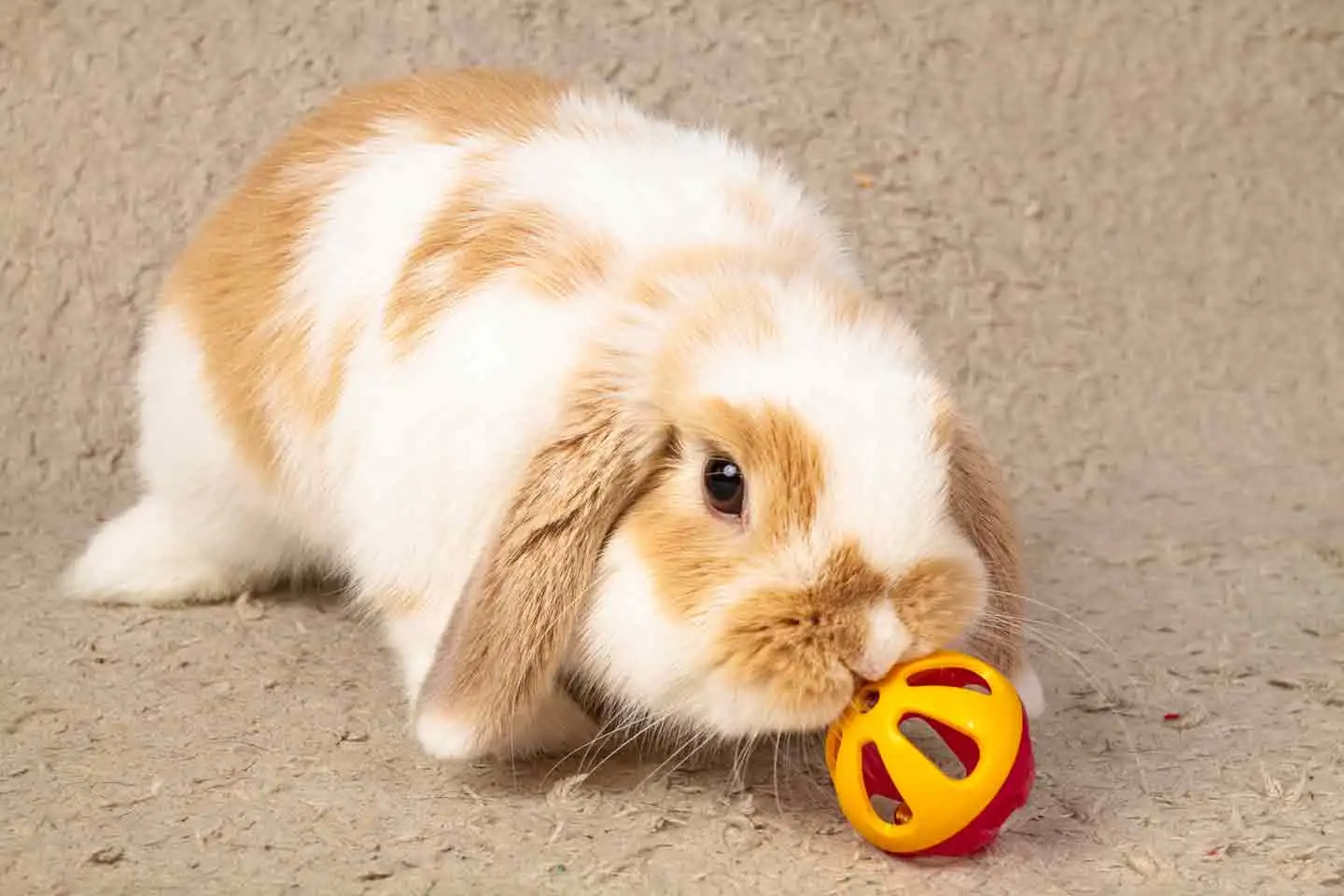
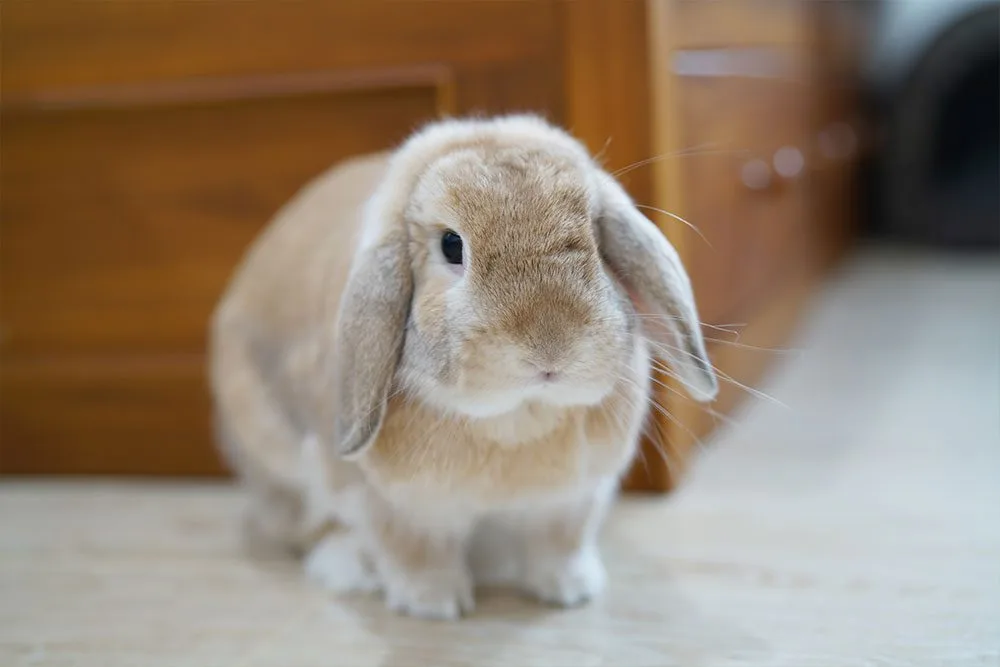
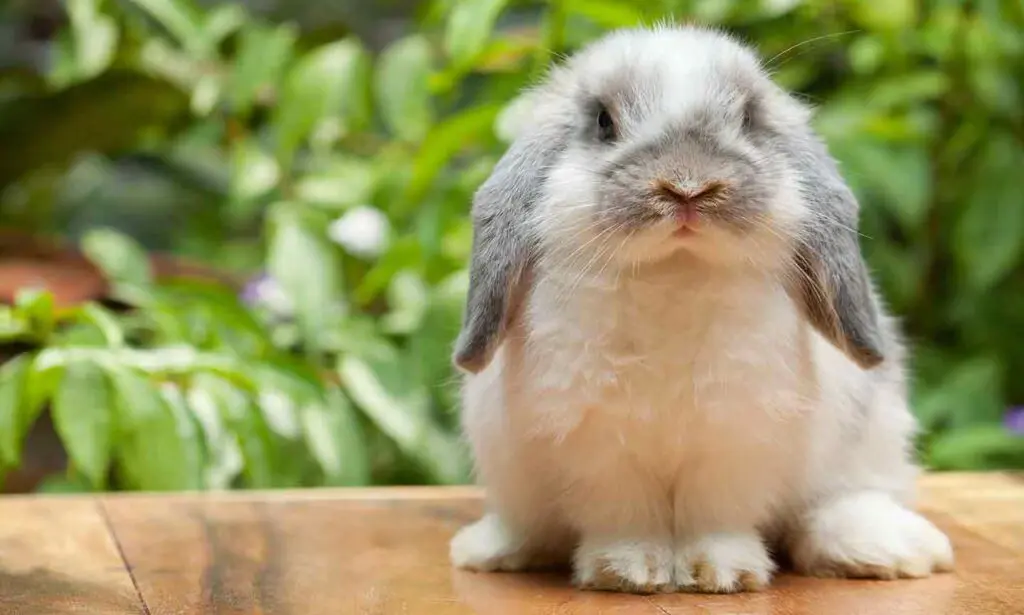
Holland Lops rabbits are small, recognizable rabbits with floppy ears and a compact body. Their friendly appearance makes them one of the most popular pet rabbit breeds.
They can be a good choice for an owner who wants a smaller companion and has enough time to provide exercise, enrichment, and gentle interaction. However, prospective owners should know that lop-eared rabbits can have welfare and ear-health concerns associated with their conformation.
Best for: Owners prepared for regular health monitoring and responsible care.
2. Mini Rex
Mini Rex rabbits are known for their short, plush coats that feel soft to the touch. Their coat generally requires less brushing than a long-haired rabbit, which can make everyday grooming more manageable.
They are also active and curious, so don’t mistake their smaller size for a need for a tiny enclosure. A rabbit still needs room to run, jump, explore, and display natural behaviors.
Best for: First-time owners who want a smaller rabbit and can provide plenty of exercise space.
3. Dutch Rabbit
Dutch Rabbits are easily recognized by their distinctive color pattern and relatively compact build. They are among the friendly rabbit breeds often considered by people looking for a companion animal.
Their manageable appearance can make them appealing to beginners, but personality always varies between individual rabbits. Spend time observing a rabbit before deciding that its breed alone tells you what its temperament will be like.
Best for: Families or individuals looking for an active companion and willing to build trust gradually.
4. Rex Rabbit
Rex rabbits have a distinctive velvety coat and can be fascinating pets for people who appreciate unusual coat textures.
However, their special coat also deserves consideration. The Rabbit Welfare Association & Fund notes that Rex rabbits lack guard hairs, leaving their feet less protected and increasing the risk of problems such as pododermatitis.
Best for: Experienced beginners who are willing to learn breed-specific health and housing requirements.
5. New Zealand Rabbit
New Zealand Rabbits are substantially larger than miniature breeds and therefore require more room and appropriate equipment. Their larger body can be appealing to people who prefer a substantial rabbit rather than a tiny breed.
Before choosing one, measure the area where the rabbit will actually live and exercise. Don’t choose a breed based only on the space occupied by a traditional cage.
Best for: Owners with generous indoor or outdoor rabbit-safe space.
6. Lionhead Rabbit
Lionheads are famous for the mane of longer hair around their head. Their appearance is attractive, but that extra coat means grooming needs should be considered.
A Lionhead can suit an owner who enjoys regular grooming and is prepared to monitor the coat carefully. It is important to remember that long-haired rabbits may need significant grooming assistance.
Best for: Owners who enjoy grooming and can maintain a consistent care routine.
How to Choose the Right Rabbit Breed
Knowing how to choose the right rabbit breed is more useful than memorizing a list of popular breeds.
Consider Your Living Space
Rabbits need considerably more room than many people expect. RWAF recommends, for two average-sized rabbits, a living area of at least 3 m × 2 m × 1 m high, with the space continuously accessible.
This means a small rabbit does not automatically mean a small cage.
If you want best rabbit breeds for indoor living, first rabbit-proof an appropriate area. Protect electrical cables, remove unsafe plants, and prevent access to places where the rabbit could become trapped.
Think About Grooming Time
A short-coated rabbit may fit better into a busy household than a rabbit with a very long coat. Angora-type coats, for example, require substantial grooming because rabbits with very long hair cannot adequately maintain their coats themselves.
Consider Children Carefully
A rabbit should not be treated like a cuddly toy. Rabbits can become frightened when picked up, and their fragile bodies can be injured by improper handling.
For families with children, an adult should remain responsible for the rabbit’s welfare. Children can participate in gentle feeding, observation, and supervised interaction, but they should learn to respect the rabbit’s boundaries.
Rabbit Care Basics for Beginners
Even the best rabbit pet breeds will not thrive without proper daily care.
Feed a High-Fiber Diet
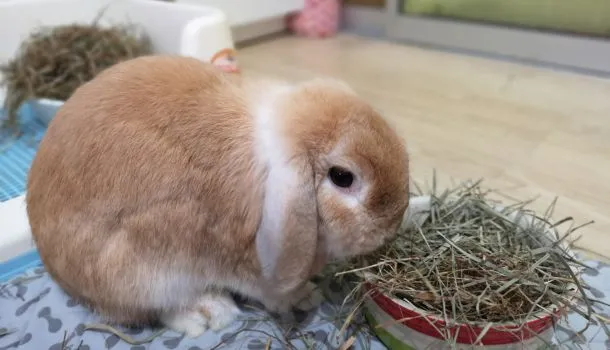
Hay or grass should form the foundation of a rabbit’s diet. RWAF currently recommends approximately 85% hay or grass, 10% suitable greens, and 5% pellets or nuggets as a general feeding framework. Individual rabbits may require adjustments based on their circumstances.
Fresh, clean water should also be available.
Provide Exercise and Enrichment
Rabbits naturally run, jump, dig, forage, and explore. Provide safe tunnels, hiding places, cardboard items, digging opportunities, and toys that encourage natural behaviors.
Consider Rabbit Companionship
Rabbits are social animals. Welfare guidance recommends compatible companionship rather than routinely keeping a rabbit alone. Bonding must be done carefully and gradually.
A Real-Life Case Study: Choosing the Rabbit, Not Just the Breed
Consider a first-time owner named Sarah who originally wanted a tiny rabbit because she lived in a relatively small home. She assumed a miniature breed would automatically require less space and care.
After researching rabbit welfare, she changed her approach. Instead of asking, “Which rabbit is cutest?” she measured her available space, considered how much grooming she could manage, and planned for exercise, enrichment, companionship, and veterinary care.
This changed her shortlist completely. She realized that small rabbit breeds still need substantial living and exercise space and that a rabbit’s adult needs matter more than its size as a baby.
Her experience illustrates an important lesson: choosing among the best rabbit pet breeds should begin with your ability to meet the rabbit’s needs, not simply its appearance.
Final Thoughts
The best rabbit pet breeds are not identical for every household. A Mini Rex may suit someone looking for a smaller, short-coated companion, while a New Zealand Rabbit may be more appropriate for someone with substantially more room. A Lionhead can appeal to an owner who enjoys grooming, while other owners may prefer a simpler coat.
The most important step is to research the individual rabbit as well as the breed. Look at temperament, adult size, grooming, health considerations, space requirements, companionship, diet, and exercise before making your decision.
Ultimately, the best rabbit pet breeds are those whose welfare needs you can consistently meet. With suitable housing, companionship, a fiber-rich diet, enrichment, veterinary care, and patient interaction, a rabbit can become a rewarding long-term companion.
FAQs About Best Rabbit Pet Breeds
How long do pet rabbits usually live?
Pet rabbits commonly live around 8–12 years with proper care, though lifespan varies by individual and health.
Can rabbits be litter trained?
Yes. Most rabbits can learn to use a litter box when it is placed in a suitable area and training is consistent.
Do rabbits need vaccinations?
Vaccination needs vary by location. Ask a rabbit-savvy veterinarian which vaccines are recommended in your area.
How often should a rabbit see a vet?
Regular health checks can help detect dental, digestive, and other problems early. Ask your vet about an appropriate schedule.
Should rabbits be kept indoors or outdoors?
Rabbits can live indoors or in a suitable secure environment, but they need protection from predators, weather, and other hazards.

Patrick Bravo takes readers on a heartwarming journey through the world of pet adoption. He champions shelter animals, shares inspiring rescue stories, and encourages families to open their hearts and homes to pets in need.