With its rounded face, compact body, and adorable floppy ears, the holland lop rabbit is a popular choice among people looking for a small companion animal. Its cute appearance certainly attracts attention, but owning a rabbit involves much more than enjoying its looks.
A Holland Lop needs a suitable diet, safe housing, exercise, grooming, enrichment, and regular interaction. Before bringing one home, it is important to understand its personality and everyday needs.
So, what is a Holland Lop rabbit, and is it really a good pet? Let’s explore its size, temperament, diet, grooming requirements, lifespan, and care needs so you can decide whether this charming breed fits your lifestyle.
Content
What Is a Holland Lop Rabbit?
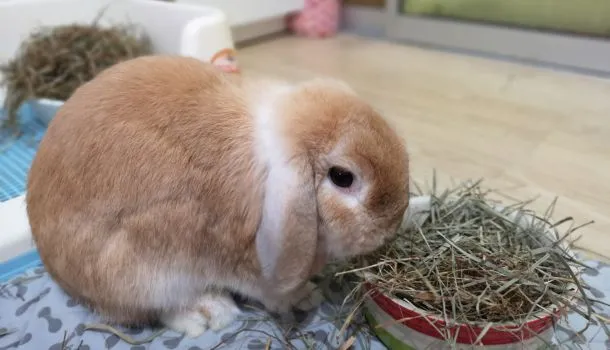
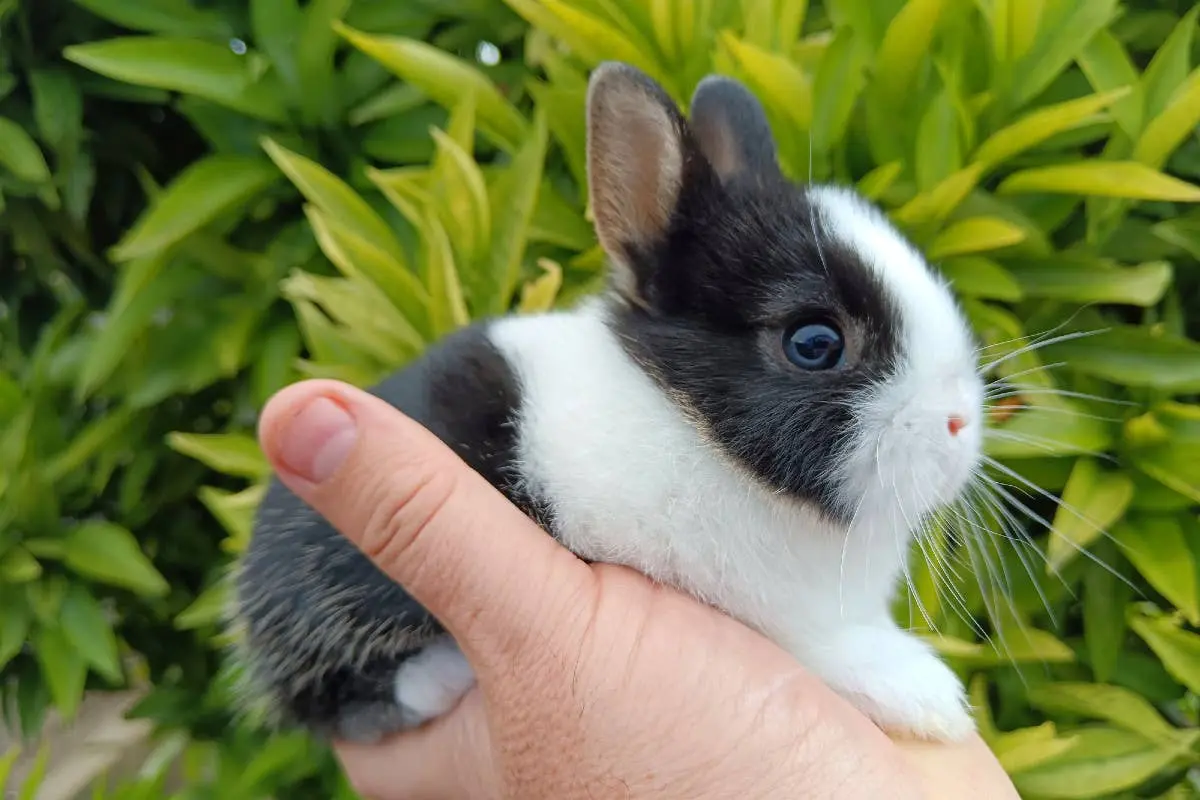
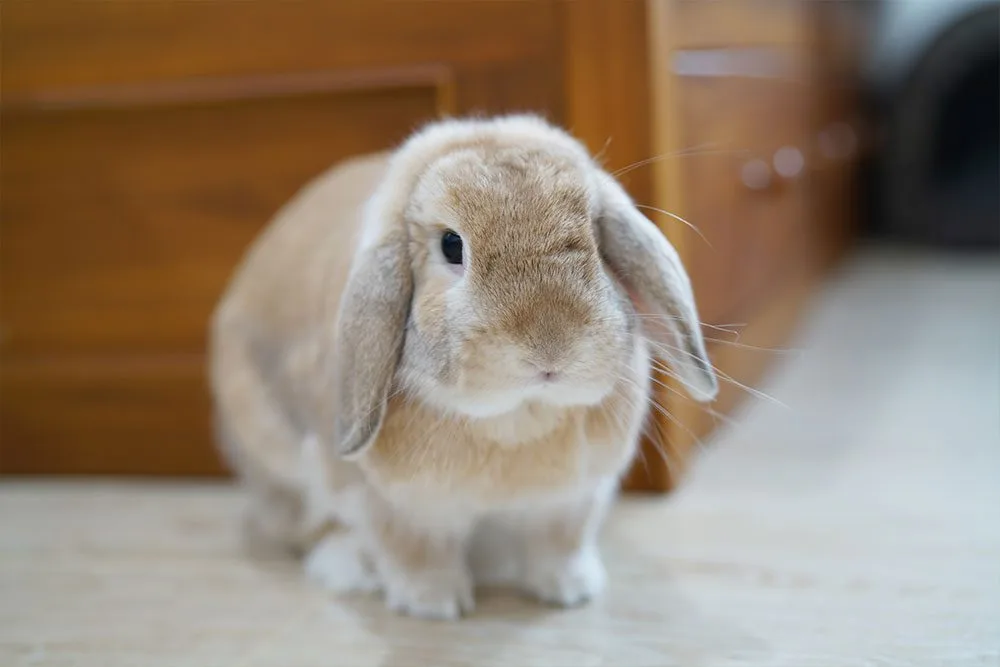
The holland lop rabbit is a small lop-eared rabbit breed that originated in the Netherlands. It is recognized for its compact body, short floppy ears, rounded head, and dense coat.
One reason this dwarf rabbit breed attracts owners is its manageable size. The breed information from the reference rabbitry describes Holland Lops as small rabbits that can make appealing companions. Their different coat colors and patterns also contribute to their popularity.
However, appearance should not be the main reason for choosing a rabbit. A responsible owner needs to consider housing, food, exercise, veterinary care, and the amount of daily attention the animal requires.
What Is the Holland Lop Temperament Like?
The Holland Lop temperament is one of the breed’s most appealing characteristics. Individual rabbits can behave differently, but many are curious, gentle, and social when they receive appropriate handling and socialization.
A Holland Lop bunny may enjoy exploring a room, investigating new objects, or sitting close to its owner. Some rabbits become comfortable enough to approach people when they want attention.
That does not mean every rabbit enjoys being picked up. Rabbits are prey animals and can become frightened by sudden movements or improper handling. Getting down to their level and allowing them to approach you can be a much better way to build trust.
With patience, positive interaction, and consistent handling, your rabbit can become comfortable with household routines.
Are Holland Lop Rabbits Good Pets?
A holland lop rabbit can be an excellent companion for the right household. Its small size and friendly potential make it attractive to families and individuals, but owners should understand that rabbits still have daily care requirements.
Before getting one, make sure you can provide:
- A secure and appropriately sized living area
- Fresh hay and clean water
- A balanced rabbit diet
- Daily exercise
- Safe toys and enrichment
- Regular grooming and nail care
- Gentle social interaction
- Appropriate veterinary attention
The reference rabbitry emphasizes the importance of exercise and allowing rabbits opportunities to move, play, and explore rather than keeping them confined constantly.
This is an important distinction for new owners: a small rabbit is not automatically a low-maintenance pet.
How Big Does a Holland Lop Rabbit Get?
One of the reasons people choose a small pet rabbit is its compact size. Holland Lops are among the smaller lop-eared breeds, and the reference source gives an adult maximum weight of around 4 pounds.
Even though they are small, they should always be handled carefully. When lifting a rabbit, support both its body and hindquarters. Never allow its back legs to hang unsupported because sudden kicking can cause injury.
Their size can make indoor living convenient, but they still require enough room to move around comfortably. A small cage alone should not be considered their entire living environment.
How to Care for a Holland Lop Rabbit
Learning how to care for a Holland Lop rabbit begins with providing a safe and stimulating environment.
The living area should include a comfortable resting space, food and water, a litter box, safe toys, and enough room for normal movement. Rabbits should also receive regular supervised exercise outside their main enclosure.
Exercise and Enrichment
Rabbits are naturally curious. Providing tunnels, cardboard boxes, safe chew toys, and areas to explore can help prevent boredom.
Chewing is also a normal rabbit behavior. The reference rabbit-care information explains that rabbits need appropriate things to chew because their teeth continually grow. Providing safe materials can help satisfy this natural behavior while protecting furniture and household items.
Grooming
Holland Lop grooming is generally manageable because the breed has a short, dense coat. Regular brushing can remove loose hair and help keep the coat clean.
Owners should also check the ears, nails, eyes, and general condition regularly. Since Holland Lops have floppy ears, gentle routine checks can be particularly useful for noticing potential problems early.
What Do Holland Lop Rabbits Eat?
If you are asking what do Holland Lop rabbits eat, hay is one of the most important parts of their diet. Timothy Hay for Rabbits is a popular choice for adult rabbits because it provides fiber that supports healthy digestion and helps promote natural tooth wear. A suitable Holland Lop diet can also include appropriate rabbit pellets, fresh leafy vegetables in suitable portions, and clean drinking water.
How Long Do Holland Lop Rabbits Live?
The holland lop rabbit can be a long-term companion. The reference breed information gives a lifespan of approximately 7–14 years.
Lifespan can vary considerably between individual rabbits. Genetics, nutrition, exercise, dental health, living conditions, hygiene, and access to appropriate veterinary care can all influence a rabbit’s overall health.
This is why getting a rabbit should be viewed as a long-term commitment. A cute baby bunny can eventually become an older rabbit that needs continued care and attention.
Are Holland Lop Rabbits Easy to Care For?
People often ask, are Holland Lop rabbits easy to care for? Compared with some larger or long-haired rabbit breeds, their compact size and short coat can make certain aspects of care more manageable.
But easy does not mean effortless.
Daily rabbit care still involves feeding, cleaning, checking water, providing exercise, observing behavior, and maintaining a stimulating environment. Owners also need to budget for supplies and potential veterinary expenses.
The best approach is to think of a Holland Lop as a small animal with substantial needs rather than a decorative pet that can simply remain in a cage.
Real-Life Case Study: Why Rabbit Personality Matters
A useful example comes from the reference rabbitry, where the breeder describes a rabbit named Peter. According to the breeder’s account, Peter was intelligent and interactive, learning behaviors such as standing on his hind legs, spinning, and lying down.
Peter was not presented as a Holland Lop, so his behavior should not be treated as a prediction for this breed. Instead, his story demonstrates how individual rabbit personalities can be surprisingly expressive.
For a Holland Lop owner, this is a valuable lesson. Don’t assume your rabbit will behave exactly like another rabbit you have seen online. Give it time to develop its own personality and discover which toys, activities, and interactions it enjoys.
Who Should Get a Holland Lop Rabbit?
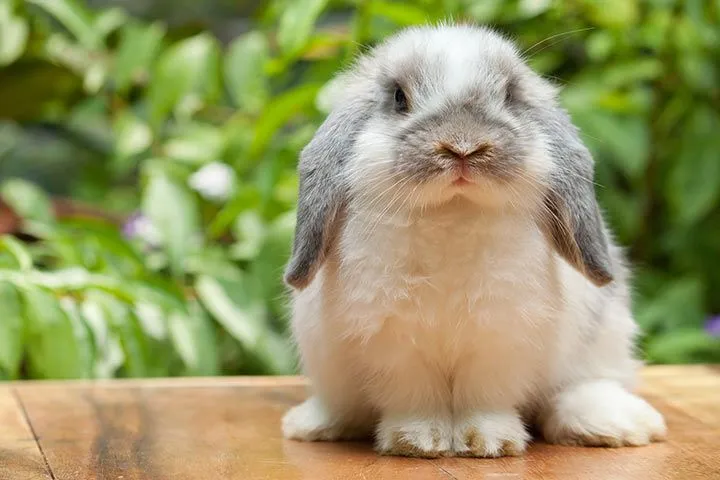
A holland lop rabbit may be suitable for someone who wants a small companion and is prepared to provide consistent daily care.
It can work well for:
- Individuals who enjoy interactive pets
- Families that understand gentle rabbit handling
- Owners with adequate indoor space
- People willing to learn about rabbit nutrition
- Households prepared for a long-term commitment
However, anyone expecting a pet that requires almost no attention should reconsider. Rabbits need companionship, stimulation, exercise, and responsible care.
Final Thoughts
So, do Holland Lop rabbits make good pets? They can be wonderful companions when owners understand and meet their needs. Their small size, distinctive floppy ears, friendly potential, and relatively simple coat care make them appealing to many rabbit lovers.
The key is to look beyond their adorable appearance. Good nutrition, appropriate housing, daily exercise, enrichment, gentle handling, and regular health monitoring are all important parts of responsible rabbit ownership.
If you are prepared for that commitment, a holland lop rabbit can become a rewarding and entertaining companion for many years.
FAQs
Are Holland Lop rabbits friendly?
Many are social and curious, but personality varies. Gentle handling and early socialization can help build trust.
What is the temperament of a Holland Lop rabbit?
They are commonly described as gentle, curious, and social, although each rabbit has its own personality.
How long do Holland Lop rabbits live?
The reference source gives an approximate lifespan of 7–14 years, although individual rabbits can vary.
What do Holland Lop rabbits eat?
Their diet should center on appropriate hay, supplemented with suitable pellets, fresh vegetables, and clean water.
How big does a Holland Lop rabbit get?
Holland Lops are small rabbits, with the reference source giving an adult maximum weight of around 4 pounds.

Patrick Bravo takes readers on a heartwarming journey through the world of pet adoption. He champions shelter animals, shares inspiring rescue stories, and encourages families to open their hearts and homes to pets in need.