If you have ever watched a video of an axolotl, hedgehog, colorful parrot, or unusual pet reptile and wondered what it would be like to keep one at home, you are not alone. More people are becoming interested in animals beyond traditional dogs and cats. But choosing an unusual companion is about much more than finding an animal that looks interesting.
So, what are exotic pets? The term generally describes animals that are uncommon household companions, particularly non-domesticated or non-traditional species. The exact definition can vary depending on veterinary practice, culture, and local law.
Before bringing one home, it is important to understand its behavior, exotic pet habitat, diet, lifespan, veterinary requirements, cost, and legal status. In my experience writing about pet care, the biggest mistake beginners make is choosing an animal first and researching its needs afterward. A better approach is to research the species first and then decide whether your home and lifestyle are suitable.
Content
What Are Exotic Pets?
Exotic Pets are generally animals that are not commonly kept as traditional household companions. Depending on the context, this can include reptiles, amphibians, birds, fish, small mammals, and other unusual species. There is no single universal definition, which is why an animal may be considered exotic by a veterinarian but relatively ordinary among pet owners.
Examples may include:
- Axolotls
- Chinchillas
- Hedgehogs
- Sugar gliders
- Certain parrots
- Geckos and other lizards
- Tortoises
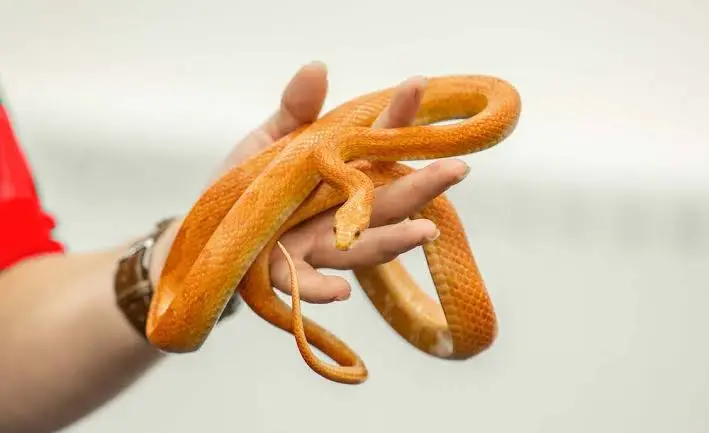
- Snakes
- Amphibians
- Some unusual fish species
However, unusual does not automatically mean difficult. Some species can adapt well to responsible captive care, while others have highly specialized physical, social, environmental, or dietary needs that are difficult to meet in an ordinary home.
That distinction is important when deciding whether an exotic animal is right for you.
What Animals Are Considered Exotic Pets?
The answer depends partly on where you live and how the term is being used. In veterinary medicine, exotic pet species can span several animal groups, including mammals, birds, reptiles, amphibians, fish, and invertebrates.
Small Mammals
Hedgehogs, chinchillas, ferrets, and sugar gliders are examples often associated with the exotic-pet category.
They may be small, but that does not necessarily make them low maintenance. Their temperature requirements, exercise needs, diet, enrichment, and handling preferences can differ considerably from those of dogs and cats.
Birds
Parrots, cockatiels, conures, macaws, and other birds may be considered exotic or non-traditional companion animals in veterinary settings.
Birds can be intelligent and social, but many need substantial mental stimulation and interaction. Larger parrots can also have long lifespans, meaning ownership may be a commitment measured in decades rather than years.
Reptiles and Amphibians
Geckos, snakes, turtles, tortoises, chameleons, frogs, and axolotls are popular examples.
Their requirements can be highly specific. Temperature, humidity, UV lighting, water quality, enclosure design, and diet may all affect their health.
Fish and Aquatic Species
Some fish are common household pets, while unusual or specialized species may fall into the exotic category.
Aquatic pets can be deceptively demanding because maintaining the correct water parameters and environment is an ongoing responsibility.
What Should You Consider Before Getting an Exotic Pet?
If you are wondering what should I know before getting an exotic pet, start with the animal’s needs rather than its appearance.
1. Housing and Habitat
An appropriate enclosure is one of the most important parts of exotic pet care. The habitat may need controlled temperature, humidity, lighting, ventilation, substrate, hiding places, climbing structures, or swimming space.
A small animal does not automatically require a small enclosure. Some species are active, territorial, arboreal, or highly exploratory.
2. Diet
An exotic pet diet should be species-specific rather than based on general pet-food advice.
For example, one species may require insects, another may need specialized pellets and hay, while an aquatic animal may have completely different nutritional requirements.
Never assume that an animal will thrive simply because it appears willing to eat a particular food.
3. Behavior and Enrichment
Some animals need daily interaction, while others become stressed by excessive handling.
Research normal behavior before adopting. Ask yourself whether you can provide appropriate enrichment, exercise, hiding areas, social opportunities, and a predictable routine.
4. Veterinary Care
Finding an appropriate veterinarian before adoption is one of the smartest things you can do.
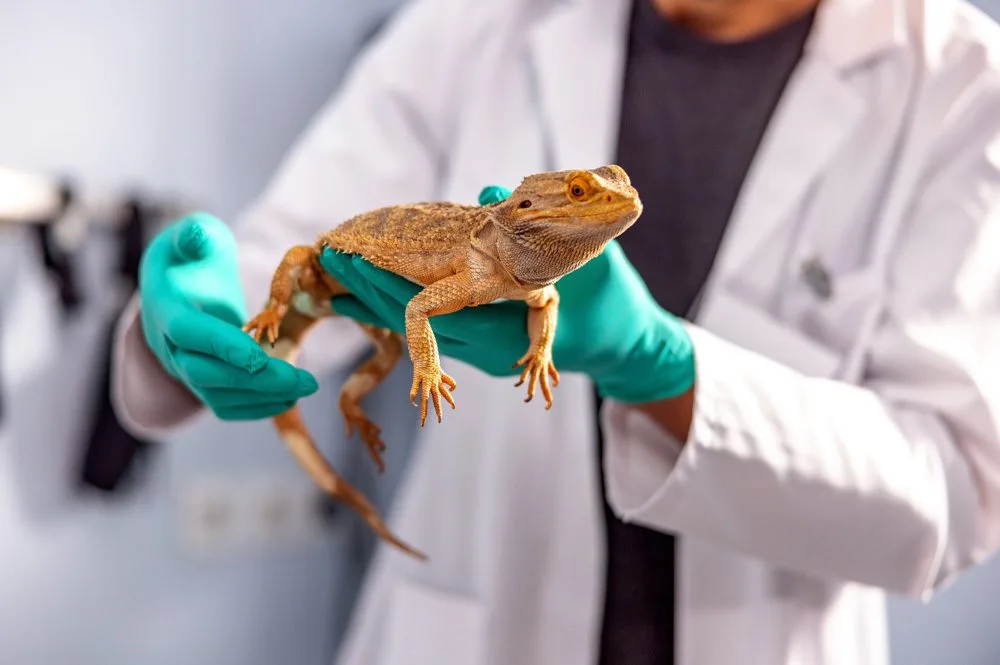
Exotic pet veterinary care may require knowledge of species-specific anatomy, nutrition, husbandry, handling, and treatment. Veterinary organizations emphasize that specialized care can be particularly important for non-traditional companion animals.
I recommend calling a clinic before bringing the animal home and asking whether it routinely treats your specific species.
5. Legal Requirements
Another critical question is what exotic pets can you legally own?
Rules can vary by country, state, province, municipality, or even specific species. Some animals may require permits, while others may be prohibited altogether.
Never rely on a seller’s statement that an animal is legal. Check the current regulations in your own jurisdiction.
How Much Do Exotic Pets Cost?
Many people focus on the purchase price and overlook the cost of creating an appropriate home.
So, how much do exotic pets cost? There is no single answer because expenses vary dramatically by species.
Your initial budget may include:
- Purchase or adoption fee
- Enclosure or aquarium
- Heating and lighting equipment
- Humidity-control equipment
- Food and supplements
- Bedding or substrate
- Enrichment items
- Transportation equipment
- Initial veterinary examination
Then there are recurring expenses such as food, electricity, replacement equipment, cleaning supplies, and veterinary treatment.
A relatively inexpensive animal can become expensive if its habitat requires specialized equipment. This is why exotic pet costs should be calculated over the animal’s entire lifetime, not just on the day you bring it home.
Are Exotic Pets Good Pets for Beginners?
Are exotic pets good pets? Sometimes, but the answer depends on the species and the owner.
A beginner should generally look for an animal whose needs they can realistically meet. That means understanding its adult size, lifespan, diet, housing requirements, behavior, veterinary access, and legal restrictions.
Be careful with labels such as “easy” or “low maintenance.” Research has warned that describing exotic species as universally easy or beginner-friendly can contribute to unsuitable ownership decisions.
Pros and Cons of Exotic Pet Ownership
Potential Advantages
- Fascinating natural behaviors
- Opportunity to learn about a unique species
- Some species require less direct interaction than dogs
- Certain animals can fit specific living situations
- They can be rewarding for knowledgeable owners
Potential Challenges
- Specialized habitat requirements
- Limited access to experienced veterinarians
- Higher-than-expected long-term expenses
- Legal restrictions
- Specialized diets
- Difficult social or behavioral needs
- Longer commitments than expected
- Potential welfare and conservation concerns
Responsible ownership also means considering where the animal came from. WWF recommends evaluating legality, conservation, public health, invasiveness, and animal welfare before obtaining an exotic species.
Real-Life Case Study: An Axolotl That Needed Specialized Care
A useful real-world example comes from LibertyLand Axolotl Rescue, which documented the rehabilitation of an axolotl named Olympia. The animal had been kept in poor conditions, including unsuitable water temperature and inadequate care, and was later evaluated as severely ill. After rescue and dedicated rehabilitation, Olympia gained weight and recovered from several problems, although chronic health issues remained.
The story illustrates an important lesson: an animal can look unusual and fascinating while still having very specific biological requirements.
Axolotls are also assessed by WWF as a moderate-risk exotic pet, with concerns involving conservation, welfare, specialized water and dietary needs, and access to appropriate veterinary care.
This is exactly why I recommend researching husbandry before purchasing any unusual animal. A beautiful species is not necessarily an easy species.
How to Choose the Right Exotic Pet
If you are still interested in Exotic Pets, make your decision using a practical checklist.
Ask yourself:
- How long does this animal typically live?
- Can I provide its required habitat?
- Can I afford food, equipment, and veterinary care?
- Is an experienced veterinarian available?
- What does the animal eat?
- Does it need companionship?
- How much daily attention does it require?
- Is ownership legal where I live?
- Is the animal captive-bred or from a questionable source?
- Can I care for it if my lifestyle changes?
If several answers are uncertain, wait before purchasing.
Also consider the animal’s source carefully. Responsible sourcing can help reduce risks associated with illegal trade, poor welfare, and removal of animals from the wild.
Final Thoughts
The appeal of Exotic Pets is easy to understand. They can be intelligent, fascinating, beautiful, and completely different from conventional companions. But their uniqueness is also what makes responsible ownership important.
The best exotic pet care begins with research. Understand the animal’s habitat, diet, behavior, lifespan, veterinary needs, legal status, and lifetime cost before making a decision.
There is no universal “best” exotic pet. The right choice is the species whose needs you can consistently meet while providing a safe, healthy, enriching life.
FAQs About Exotic Pets
What is considered an exotic pet?
An exotic pet is generally an uncommon or non-traditional companion animal, often including reptiles, amphibians, birds, fish, and unusual mammals.
What are the best exotic pets for beginners?
It depends on experience and local laws. Choose a species whose housing, diet, behavior, and veterinary needs you can reliably meet.
How to take care of exotic pets?
Research species-specific housing, nutrition, temperature, enrichment, handling, hygiene, and veterinary requirements before adoption.
Are exotic pets expensive?
They can be. Habitat equipment, specialized food, utilities, and veterinary care may make lifetime ownership considerably more expensive than expected.
What exotic pets can you legally own?
Laws vary by location and species. Always verify current local regulations and permit requirements before obtaining an animal.

Patrick Bravo takes readers on a heartwarming journey through the world of pet adoption. He champions shelter animals, shares inspiring rescue stories, and encourages families to open their hearts and homes to pets in need.