Putting up a new bird feeder is exciting, especially when you imagine colorful birds gathering outside your window. But there is one common problem: you fill the feeder, wait patiently, and nothing happens. If that sounds familiar, don’t worry. Birds may simply need time to discover and trust a new feeding spot.
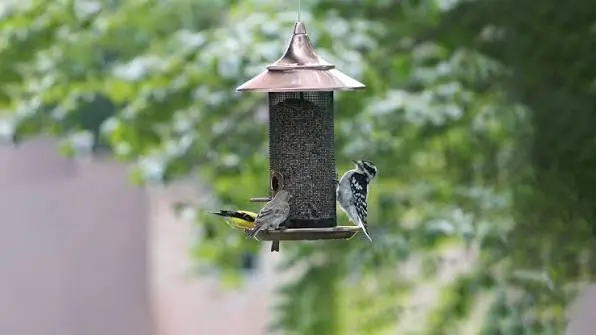
Learning how to attract birds to a new feeder starts with understanding what makes a feeding area appealing and safe. The type of food, feeder location, cleanliness, surrounding plants, and even the amount of natural cover can all make a difference.
Whether you are a beginner bird watcher or simply want more activity in your yard, a few practical changes can help birds find your feeder and return regularly.
Content
How to Attract Birds to a New Bird Feeder
The first step in how to attract birds is to make the feeder easy to discover. Birds usually explore areas where they already find food, water, shelter, and safe resting places.
Place the feeder where birds can see it from nearby trees or shrubs. Avoid hiding it behind dense walls or placing it in a completely exposed location. Birds need a reasonable balance between visibility and protection.
If the feeder is new, don’t expect immediate results. Some birds may investigate within hours, while others may take several days or even longer. Patience is an important part of attracting backyard birds.
1. Choose Food Birds Already Recognize
One of the easiest answers to how to attract birds is to offer food that local species already enjoy.
Black-oil sunflower seeds are popular with many backyard birds, while peanuts and suet can attract other species. Smaller birds may prefer smaller seeds, and some species are attracted to fruit or nectar.
Instead of filling your feeder with the cheapest seed mix available, pay attention to which birds live in your area. A high-quality seed can also reduce the amount of unwanted filler left on the ground.
2. Put the Feeder in the Right Location
Location can determine whether birds notice your feeder.
When considering how to attract birds to your backyard, choose a location that gives birds a clear view of the surrounding area. A feeder near a tree or shrub can provide a convenient place for birds to perch before approaching.
However, don’t place the feeder so close to dense vegetation that predators can easily hide nearby. A little open space around the feeding area can give birds a better opportunity to detect danger.
For window feeders, consider bird-safe window treatments if collisions become a problem.
3. Make the Feeding Area Feel Safe
Birds are naturally cautious. A brand-new object in the yard may look unfamiliar, so they may watch it from a distance before approaching.
This is where natural cover becomes useful.
Trees, shrubs, and native plants can provide birds with places to retreat if they feel threatened. A bird-friendly backyard should offer more than food; it should also provide shelter and safe resting areas.
Avoid constantly approaching the feeder to check whether birds have arrived. If the area remains relatively quiet and undisturbed, birds have more opportunity to investigate it on their own.
4. Keep Fresh Water Nearby
Food is important, but water can make your yard even more attractive.
A clean bird bath gives visiting birds a place to drink and bathe. When thinking about how to attract birds, adding water is one of the simplest improvements you can make.
Choose a shallow, stable bird bath and replace the water regularly. Clean it frequently to prevent the buildup of algae, dirt, and other contaminants.
You can also add a gentle dripper or moving-water feature. Birds may notice the sound or movement of water more easily than a completely still container.
5. Use Native Plants Around Your Yard
If you want to understand how to attract birds naturally, look beyond the feeder.
Native plants can provide seeds, berries, nectar, insects, and natural shelter. They can also make your yard feel more like a natural habitat rather than an isolated feeding station.
Consider adding locally appropriate flowers, shrubs, grasses, and trees. Plants that produce seeds or berries can provide food at different times of the year.
Native vegetation can also support insects, which are particularly important for many birds when they are raising their young.
6. Keep the Feeder Clean
A dirty feeder can discourage birds and create unnecessary health concerns.
Check the feeder regularly for wet, moldy, or spoiled food. Clean the feeding surfaces and allow them to dry before adding fresh seed.
This is especially important after rainy weather. Moisture can cause seeds to deteriorate quickly.
When learning how to attract birds to a bird feeder, remember that consistency and cleanliness are just as important as the type of food you provide.
7. Don’t Fill the Feeder With Too Much Food
It may seem logical to fill a new feeder completely, but a large amount of unused seed can become waste.
Start with a modest quantity. If birds begin visiting regularly, you can increase the amount according to demand.
This also helps you discover which foods your local birds actually prefer.
For example, if birds consistently eat sunflower seeds while ignoring another ingredient in your seed mix, switching to a more suitable food may reduce waste and make the feeder more appealing.
8. Give Birds Time to Discover the Feeder
One of the biggest mistakes new bird watchers make is giving up too soon.
A feeder may be completely ignored for several days because birds have not discovered it yet. They may also notice it but remain cautious because they are unfamiliar with the object.
If you are researching how to attract birds for the first time, remember that there is no universal timeline.
Season, weather, local habitat, natural food availability, and the number of birds already living nearby can all influence how quickly a feeder receives visitors.
Keep the feeder in place, maintain it properly, and give birds an opportunity to find it.
9. Avoid Making Too Many Changes at Once
If birds aren’t visiting, it can be tempting to move the feeder every day or constantly change the food.
Try a more measured approach.
Keep the feeder in one suitable location for a reasonable period. If there is still no activity, make one change at a time. You might change the seed, move the feeder slightly, or improve nearby shelter.
This makes it easier to understand what actually works.
10. Watch and Learn From Your Local Birds
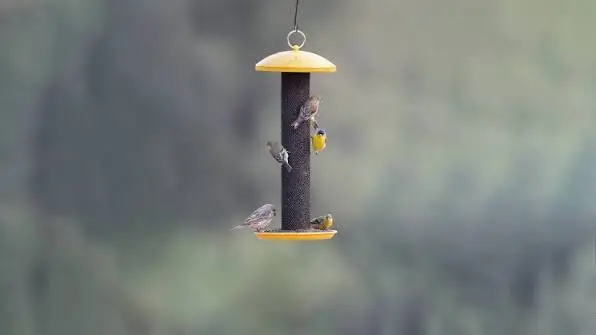
One of the most enjoyable parts of how to attract birds is learning from the birds themselves.
Spend a few minutes observing the feeder from a window or quiet location. Notice which birds investigate it, which seeds they choose, and whether they prefer visiting at particular times.
You may also notice birds becoming active or vocal outside normal daytime hours. If you ever wonder Why Do Birds Chirp at Night, remember that some birds may vocalize after dark because of artificial light, territorial behavior, migration, disturbance, or other environmental factors. The species and situation matter, so nighttime chirping does not necessarily mean something is wrong.
Keeping a simple bird-watching record can help you understand your local species and improve your feeding setup over time.
A Simple Case Study: Giving a New Feeder a Chance
Consider a homeowner who installed a tube feeder in a backyard but saw almost no birds during the first week.
The first reaction was to assume that the feeder was not working. Instead of removing it, the homeowner examined the surrounding area.
The feeder was moved closer to a mature shrub while keeping enough open space around it. A shallow bird bath was also added, and the homeowner switched to a higher-quality sunflower-based seed.
After some time, small birds began investigating the area. Initially, they stayed on nearby branches. Eventually, they began visiting the feeder more confidently.
The important lesson is not that one particular setup guarantees success. Rather, it shows why how to attract birds involves several factors working together. Birds need to feel that a feeding area offers food without exposing them to unnecessary risks.
Final Thoughts
Learning how to attract birds to a new feeder is less about finding one magic trick and more about creating a comfortable feeding environment. Choose appropriate food, place the feeder carefully, provide clean water, maintain natural cover, and keep the feeding station clean.
Most importantly, be patient. Birds have their own routines and may need time to investigate something new.
Once they discover that your yard provides reliable resources and a safe place to visit, you may find yourself watching more backyard birds than you expected. The feeder becomes more than a container for seed—it becomes one small part of a welcoming habitat.
FAQs About How to Attract Birds
How long does it take birds to find a new feeder?
Birds may find a new feeder within hours, but it can also take days or longer depending on local conditions.
What food attracts birds to a new feeder?
Sunflower seeds are a useful starting choice because many common backyard birds readily eat them.
Should I move my bird feeder if birds don’t visit?
Give birds time first. If there is still no activity, try moving the feeder to a safer, more visible location.
Can water help attract birds to a feeder?
Yes. A clean bird bath can make your yard more useful by providing birds with a nearby source of drinking and bathing water.

Patrick Bravo takes readers on a heartwarming journey through the world of pet adoption. He champions shelter animals, shares inspiring rescue stories, and encourages families to open their hearts and homes to pets in need.