Bringing a new puppy home is exciting, but potty training can quickly become one of the biggest challenges for a new pet parent. A few accidents on the carpet are normal, especially during the first weeks. The key is understanding that your puppy is still developing bladder control and learning your household routine.
If you are wondering how to potty train a puppy, the most effective approach is based on consistency, supervision, timing, and positive reinforcement. Start teaching the routine as soon as your puppy comes home, give them frequent opportunities to succeed, and reward the behavior you want to see repeated.
This guide explains how to potty train a puppy step by step, including creating a schedule, recognizing potty signals, handling accidents, using a crate, and dealing with nighttime bathroom trips.
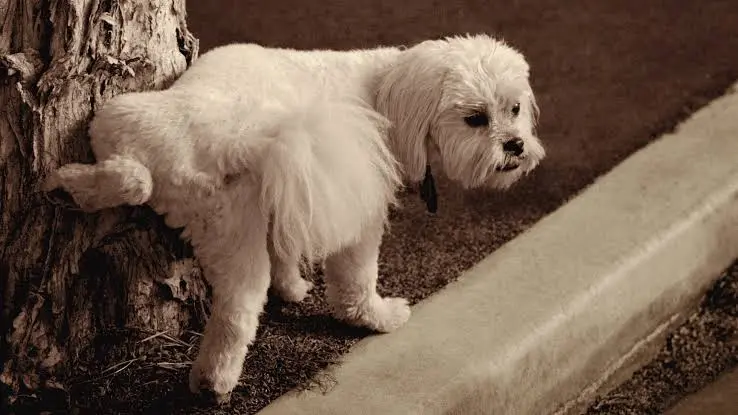
Content
What Is the Best Way to Potty Train a Puppy?
The best way to potty train a puppy is to prevent accidents, provide frequent potty opportunities, and immediately reward successful bathroom trips.
Think of potty training as teaching a simple pattern:
Take your puppy to the correct place → wait for them to eliminate → reward them immediately.
Repeat that pattern consistently, and your puppy gradually learns where you expect them to go.
How to Potty Train a Puppy Step by Step
1. Create a Puppy Potty Training Schedule
A consistent schedule is one of the most important parts of successful house training.
Take your puppy outside:
- First thing in the morning
- After every nap
- After meals
- Shortly after drinking
- After energetic play
- After coming out of the crate
- Before bedtime
- Whenever you notice signs that they need to go
Very young puppies may need numerous potty trips throughout the day. A schedule should be adjusted according to your puppy’s age, size, activity, and individual needs rather than following one rigid rule.
For example:
Wake up → potty → breakfast → potty → play → potty → nap → potty
This predictable cycle makes it much easier to understand how to create a puppy potty training schedule.
2. Choose a Consistent Potty Spot
Take your puppy to the same general potty area whenever possible.
If you are training outdoors, using the same door and a familiar potty location can help make the routine clearer. Keep your puppy on a leash while training so you can monitor whether they actually eliminate.
Do not immediately turn the potty trip into playtime. Give your puppy an opportunity to focus on the task first.
3. Teach a Simple Potty Cue
Choose a short phrase such as “go potty.”
Say it calmly when your puppy begins eliminating in the correct place. With repetition, your puppy can learn to associate the phrase with the bathroom behavior.
Once they finish, immediately praise them and provide a small reward.
The sequence becomes:
“Go potty” → eliminate → praise → treat
Eventually, the cue can make bathroom trips easier, especially when you are traveling or visiting a new place.
4. Reward Your Puppy Immediately
Timing is extremely important.
Do not wait until you return indoors to reward your puppy. Praise and reward them immediately after they finish in the correct location.
A tiny training treat, enthusiastic praise, or a brief favorite activity can work as a reward. The important thing is that your puppy clearly connects the reward with the behavior.
Reward-based training helps puppies understand which behaviors you want them to repeat.
5. Supervise Your Puppy Indoors
When your puppy is awake and moving around the house, keep an eye on them.
A puppy with too much freedom can quietly wander into another room and have an accident before you even realize what happened.
Look for signs such as:
- Sniffing the floor
- Circling
- Wandering away
- Suddenly stopping play
- Restlessness
- Squatting
- Moving toward the door
- Whining or pacing
Every puppy has slightly different signals, so pay attention to your dog’s individual behavior.
If you notice a potty signal, take your puppy outside immediately.
How Often Should You Take a Puppy Outside to Potty?
There is no universal number that works for every puppy.
Very young puppies may need bathroom breaks every one to two hours while awake, along with additional trips after meals, drinking, sleeping, and playing. As puppies mature, their bladder control improves and the time between breaks can gradually increase.
Rather than relying entirely on the clock, combine a regular schedule with observation.
If your puppy repeatedly has accidents at a particular time, treat that as useful information. Adjust the schedule and take them out earlier.
How to Potty Train a Puppy at Night
Nighttime potty training can be difficult because young puppies may genuinely need to eliminate during the night. If your puppy wakes up, pants, whines, or becomes restless, first consider whether they need a bathroom break. Owners may also wonder Why Is My Dog Panting at Night, especially when nighttime restlessness appears alongside other unusual behavior. Panting can have several causes, so if it is persistent, excessive, or accompanied by other concerning symptoms, consult a veterinarian.
Never Punish Your Puppy
Punishment is not a productive potty-training strategy.
Do not hit your puppy, yell at them, or rub their nose in an accident. Instead, focus on preventing mistakes and rewarding successful behavior.
Your puppy needs to understand where they should go, not simply that going inside makes you angry.
Common Puppy Potty Training Mistakes to Avoid
Giving Too Much Freedom
If your puppy is still having accidents, do not immediately give them access to every room.
Gradually increase their freedom as their reliability improves.
Waiting for Your Puppy to Ask
Some puppies eventually learn to sit near the door or make another signal. However, you should not expect a young puppy to communicate perfectly from the beginning.
Take them out proactively.
Rewarding Too Late
Keep rewards ready and give them immediately after successful elimination.
Ignoring Small Signals
Sniffing, circling, wandering, or suddenly becoming restless may be your puppy’s way of saying they need to go.
Expecting Instant Results
Potty training takes time. Puppies develop at different rates, and consistency matters more than rushing the process.
Real-Life Case Study: Turning Accidents Into a Routine
Consider a common example involving a puppy named Milo.
During his first week at home, Milo regularly had accidents after energetic play. His owner initially assumed he was simply not learning.
After paying closer attention, however, the owner noticed that Milo almost always became restless and started sniffing the floor after playing.
The owner changed the routine: playtime was followed by an immediate trip outside. Milo was taken to the same area, given the “go potty” cue, and rewarded immediately after eliminating.
How Long Does It Take to Potty Train a Puppy?
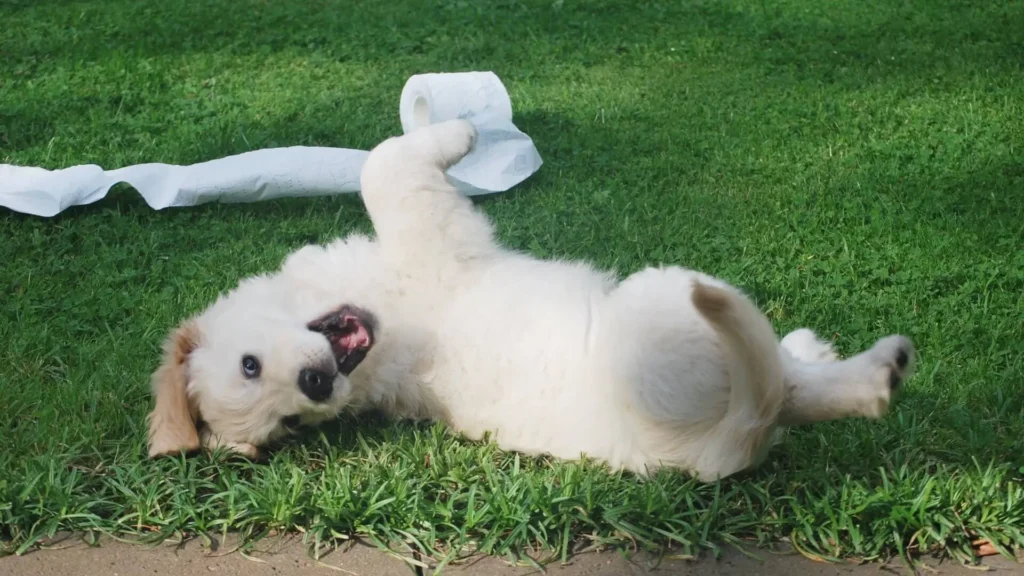
If you are wondering how long does it take to potty train a puppy, there is no guaranteed timeline.
Age, bladder control, previous experience, household consistency, and training methods all influence the process. Some puppies make rapid progress, while others need several weeks or months before they become consistently reliable.
Instead of focusing on a specific deadline, look for signs of progress:
- Fewer indoor accidents
- Longer periods between bathroom breaks
- More predictable potty times
- Faster response to the potty cue
- Moving toward the door
- More consistent outdoor elimination
Final Thoughts
Learning how to potty train a puppy does not require perfection, complicated equipment, or harsh corrections. It requires patience and a routine your puppy can understand.
Take your puppy out after sleeping, eating, drinking, playing, and other predictable activities. Watch their body language, use a consistent potty location, introduce a simple cue, and reward them immediately when they get it right.
With consistent puppy potty training, careful supervision, and positive reinforcement, your puppy can gradually learn where and when to go. The goal is simple: make the right behavior easy to repeat and give your puppy plenty of chances to succeed.
FAQs About How to Potty Train a Puppy
What is the best way to potty train a puppy?
Use a consistent schedule, supervise your puppy closely, take them to the correct potty area frequently, and reward successful elimination immediately.
How often should I take my puppy outside to potty?
Very young puppies may need trips every one to two hours while awake, plus additional breaks after eating, drinking, sleeping, and playing.
Can I use a crate for potty training?
Yes. A properly sized and positively introduced crate can help with supervision, but it does not replace regular bathroom breaks.
Can I use a crate for potty training?
Yes. A properly sized and positively introduced crate can help with supervision, but it does not replace regular bathroom breaks.
What should I do if my puppy has an accident?
Stay calm, clean the area thoroughly, and adjust the potty schedule to reduce the chance of another accident. Never punish your puppy.

Patrick Bravo takes readers on a heartwarming journey through the world of pet adoption. He champions shelter animals, shares inspiring rescue stories, and encourages families to open their hearts and homes to pets in need.