A busy job, family responsibilities, or a small home does not mean you have to give up the joy of having an animal companion. The key is matching your lifestyle with a pet whose daily needs you can realistically meet. The best low maintenance pets are not animals that need no care; they are companions whose feeding, cleaning, exercise, and social needs are manageable for your routine.
If you work full time, live in an apartment, or are a first-time owner, choosing carefully can make pet ownership much easier. Below, I’ll explain what makes a pet easier to care for, compare several options, and share practical advice for choosing the right companion.
Content
What Makes a Pet Low Maintenance?
Before choosing among low maintenance pets, look beyond size or appearance. A small animal is not automatically easy to care for. Consider these factors:
- Grooming: Pets with simple coats generally require less brushing and professional grooming.
- Exercise: Moderate activity can be easier to fit into a busy schedule than demanding daily workouts.
- Feeding: Straightforward feeding routines are helpful for working owners.
- Housing: Some animals need specialized enclosures, heating, lighting, or large spaces.
- Social needs: A pet that needs constant interaction may not suit someone away from home for long periods.
- Cleaning: Think about litter, cages, tanks, bedding, and waste management.
- Veterinary care: Every animal needs appropriate preventive and medical care.
The goal is not to find the pet requiring the least attention. It is to find one whose needs fit your available time, home, budget, and experience.
1. Cats: Independent but Affectionate
Cats are often among the best low maintenance pets for busy people. They do not need outdoor walks like dogs, can use a litter box, and many are comfortable relaxing while their owners work.
Short-haired cats can be especially convenient because grooming is usually simple. Still, cats need daily interaction, clean water, appropriate food, litter-box cleaning, play, and veterinary care.
If you want easy household pets but still want a strong bond, a calm adult cat can be an excellent choice.
2. Betta Fish: Quiet Companions for Small Spaces
For someone living in a small apartment, a properly maintained betta fish aquarium can be appealing. Fish do not need walks or physical handling, and watching them move through the water can add a peaceful element to a room.
However, fish are not maintenance-free. A suitable tank, filtration, stable water conditions, appropriate temperature, regular water changes, and proper feeding are essential. This makes bettas better suited to owners who enjoy a simple routine rather than owners who want to avoid maintenance altogether.
For someone living in a small apartment, a properly maintained betta aquarium can be appealing. Fish do not need walks or physical handling, and watching them move through the water can add a peaceful element to a room. How Often Should You Feed Betta Fish is an important question for new owners, as consistent portion sizes and a suitable feeding schedule help support their health.
3. Hamsters: Small Pets With Simple Daily Routines
Hamsters can work well for people who want a small companion and have limited space. They need a safe enclosure, suitable bedding, nutritious food, fresh water, exercise opportunities, and regular cleaning.
Their nocturnal habits are important to remember. If you want a pet that is active during the day, a hamster may not be the best match. For the right household, though, they can be beginner-friendly pets with manageable daily care.
4. Guinea Pigs: Social and Gentle
Guinea pigs are friendly animals that can be rewarding for families. They need more space and daily care than some people expect, including fresh food, hay, water, cleaning, and social interaction.
They should not be chosen simply because they are small. Their care routine can be manageable, but they are social animals and generally benefit from appropriate companionship and regular human interaction.
5. : A Reptile for the Right Owner
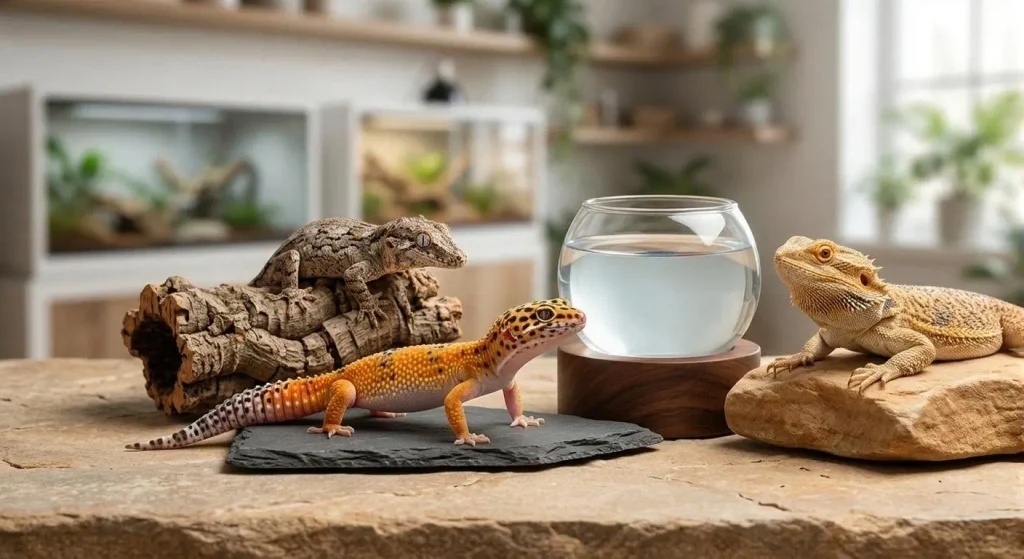
Leopard geckos are sometimes considered easy pets for beginners because they are relatively small and do not require the same type of daily exercise as mammals.
Their enclosure does require careful setup. Temperature, hides, substrate, lighting considerations, diet, hydration, and cleanliness all matter. If you are interested in a pet reptile for beginners, research the species before bringing one home.
6. Small Birds: Cheerful but Social
Some small birds, such as certain parakeets, can fit into homes where owners want an interactive companion without the demands of a dog.
But birds are not simply decorative pets. They need a safe cage, fresh food and water, cleaning, enrichment, and social interaction. Noise and daily attention should also be considered before adoption.
How to Choose the Right Pet for Your Lifestyle
When comparing low maintenance pets, ask yourself a few practical questions:
- How many minutes can I realistically devote to care each day?
- Am I home enough to provide social interaction?
- How much space can I provide?
- Can I afford food, supplies, and veterinary care?
- Am I comfortable cleaning a litter box, enclosure, or aquarium?
- Do I want a pet that enjoys handling or one that is mainly observed?
- What will happen to the pet when I travel?
For example, someone working long hours may prefer a calm adult cat over a young, highly energetic animal. Someone with very little floor space might prefer an appropriately set-up aquarium or small enclosure. Lifestyle fit matters more than choosing the pet that looks easiest in a photo.
Real-Life Case Study: When a Busy Schedule Changes the Best Choice
A real adoption listing on Petfinder illustrates why lifestyle fit matters. Peanut, a young Bengal cat, had an owner who loved him but lived in a tiny apartment. The owner recognized that Peanut needed more room to run and play and that he would benefit from people being home more often, so he was placed with a rescue looking for a better match.
This is a useful reminder when choosing low maintenance pets: even a cat that seems manageable can be the wrong choice if its individual energy level and social needs do not match the household.
The lesson is simple: the right pet is not necessarily the animal with the fewest needs. It is the animal whose needs you can reliably meet.
Common Mistakes to Avoid
Even low maintenance pets can become difficult when owners underestimate their needs.
One common mistake is choosing based only on size. A tiny animal can have specialized housing, dietary, or social requirements.
Another is assuming that independent means lonely. Cats and other independent animals still need enrichment, attention, and appropriate care.
Finally, do not cut corners on veterinary care. Easy-to-care-for pets still need preventive health support and prompt attention when something changes.
Low Maintenance Does Not Mean No Maintenance
The phrase low maintenance pets should never be interpreted as “pets you can leave without care.” Every living animal depends on its owner for appropriate food, clean water, safe housing, enrichment, hygiene, and medical attention.
Before adopting, write down the daily, weekly, and monthly tasks involved. This simple exercise can reveal whether the pet truly fits your routine.
Final Thoughts
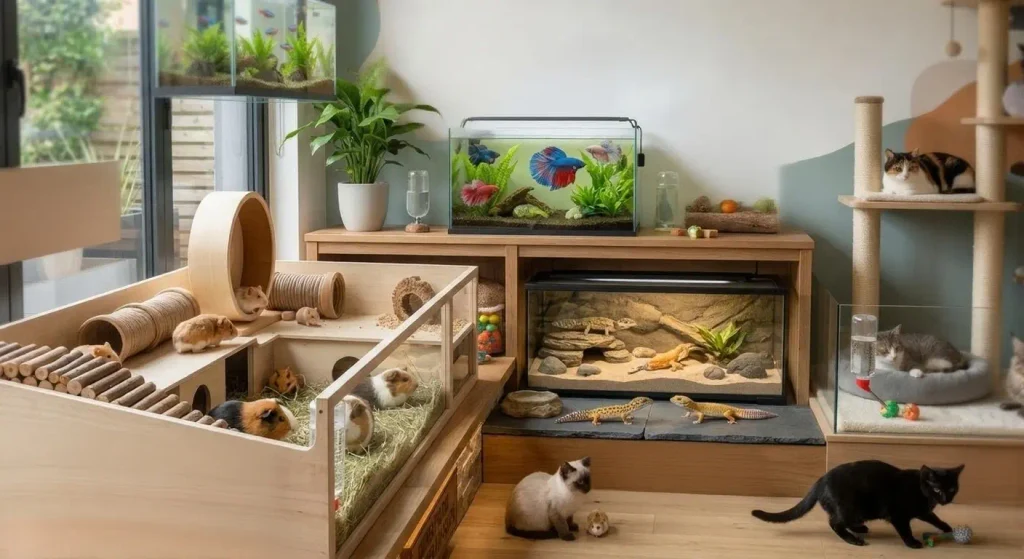
For busy people, low maintenance pets can provide companionship without requiring a lifestyle built entirely around pet care. Cats, bettas, hamsters, guinea pigs, leopard geckos, and some small birds can all be considered depending on the owner’s experience and the animal’s specific needs.
The best choice is the one you can care for consistently. When you match the animal’s needs with your schedule, space, budget, and willingness to learn, pet ownership becomes much more enjoyable for both of you.
FAQs About Low Maintenance Pets
What are low maintenance pets?
Low maintenance pets are animals with manageable daily needs for feeding, cleaning, exercise, grooming, and companionship.
Are low maintenance pets good for first-time owners?
Yes, many low maintenance pets can suit beginners when their specific care, housing, diet, and health needs are understood.
Which low maintenance pets are suitable for apartments?
Cats, betta fish, hamsters, and some small reptiles can suit apartments when their space and care requirements are properly met.
Are low maintenance pets expensive to keep?
Costs vary by species, but food, housing, supplies, and veterinary care should always be included in your budget.
Can low maintenance pets be left alone all day?
Some tolerate short periods alone, but every pet needs appropriate food, water, safety, enrichment, and regular human care.

Patrick Bravo takes readers on a heartwarming journey through the world of pet adoption. He champions shelter animals, shares inspiring rescue stories, and encourages families to open their hearts and homes to pets in need.