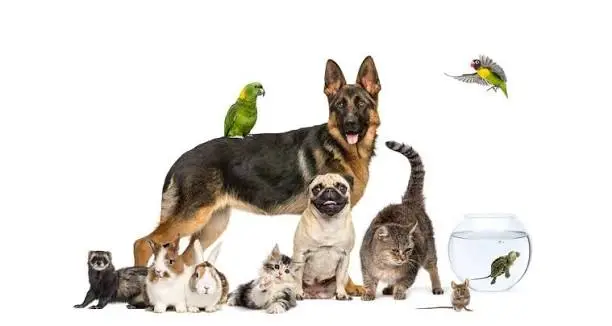
Have you ever wondered what it would be like to share your home with an animal that is not the usual dog, cat, or fish? Unique Pets can be fascinating companions because they may have unusual appearances, behaviors, or care routines that make them stand out.
From curious hedgehogs and colorful reptiles to unusual amphibians and small mammals, there are many options for people who want something different. However, unusual does not automatically mean easy. Many exotic species need specialized housing, diets, enrichment, and veterinary care.
Content
What Are Unique Pets?
Unique Pets are companion animals that are less commonly kept in ordinary households. The term can include unusual mammals, reptiles, amphibians, birds, fish, and even some invertebrates.
Examples include:
- Hedgehogs
- Sugar gliders
- Axolotls
- Chinchillas
- Bearded dragons
- Leopard geckos
- Ferrets
- Certain pet birds
- Some invertebrates
The word “unique” is flexible. An animal that seems unusual to one person may be fairly common to another. What matters most is understanding the species rather than choosing an animal simply because it looks interesting.
What Makes a Pet Unique?
There are several reasons an animal may be considered unusual.
Appearance
Some animals have features rarely seen in traditional household pets. Axolotls, for example, are known for their distinctive appearance, while bearded dragons have a very different look and behavior from cats and dogs.
Behavior
Certain animals have fascinating natural behaviors. Sugar gliders are active climbers, while chinchillas are known for their energetic movements and specialized fur.
Care Requirements
Specialized care can also make an animal unusual. Some reptiles need carefully controlled temperatures and lighting, while aquatic species may require specific water conditions.
This is why choosing Unique Pets should involve more than asking which animal looks cute. You also need to understand what that animal needs every day.
8 Unique Pets to Consider
If you are researching Unique Pets, these animals are worth learning about before making any decision.
1. Hedgehogs
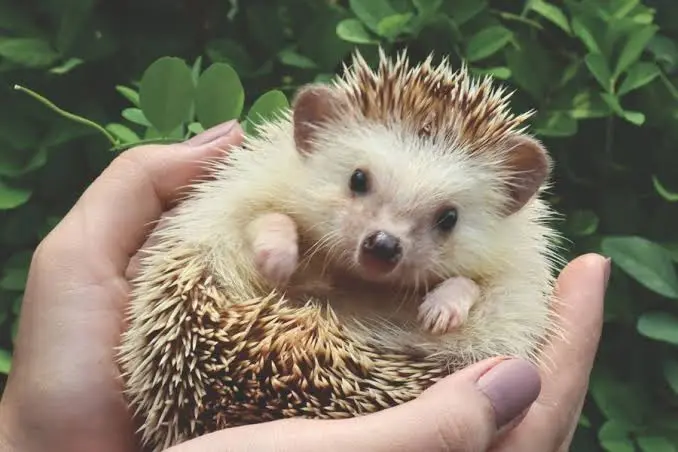
Hedgehogs are small mammals with distinctive spines and curious personalities. They can appeal to people who want an animal that does not require the same space as a large dog.
However, they still need appropriate housing, temperature management, nutrition, and gentle handling.
2. Sugar Gliders
Sugar gliders are small, highly social marsupials that can form strong bonds with their caregivers. Their climbing and gliding behavior makes them particularly interesting.
They are not simply “pocket pets,” though. Their social needs and specialized diet mean prospective owners should research their care carefully.
3. Axolotls
Axolotls are aquatic salamanders famous for their unusual appearance and regenerative abilities. They can be fascinating animals to observe.
Their needs are very different from those of land-based pets. Water quality, temperature, filtration, and appropriate tank conditions are essential.
4. Chinchillas
Chinchillas are active small mammals with exceptionally dense fur. They can be entertaining to watch and may suit owners who enjoy observing an animal’s natural behavior.
Their environment needs to be kept appropriately cool, and their diet and dust-bathing requirements should be understood before adoption.
5. Bearded Dragons
Bearded dragons are among the more recognizable reptiles kept as companion animals. WWF’s current species assessment lists bearded dragons among species that can be suitable pets when properly cared for.
They require an appropriately designed enclosure, suitable temperatures, lighting, nutrition, and regular observation.
6. Leopard Geckos
Leopard geckos are another popular reptile choice. Their relatively small size can make them attractive to people with limited space, although they still require species-appropriate habitat and feeding.
A small enclosure does not mean zero responsibility.
7. Ferrets
Ferrets are playful, energetic, and highly curious. They can be interactive companions, but their activity level and enrichment needs should be considered carefully.
Their legal status also varies depending on location, so check applicable regulations before bringing one home. Exotic-pet ownership rules can differ substantially between jurisdictions.
8. Tarantulas
For someone interested in an animal primarily for observation rather than cuddling, a tarantula can be an intriguing option.
Their housing, humidity, temperature, substrate, and feeding requirements depend on the species. Handling should never be treated as a requirement simply because the animal is kept as a pet.
Choosing Unique Pets for Your Lifestyle
The best Unique Pets are not necessarily the rarest ones. A better approach is to find an animal whose needs match your home, schedule, experience, and budget.
Ask yourself:
- How much space can I provide?
- How much time can I spend on daily care?
- Can I afford specialized equipment?
- Is an experienced veterinarian available nearby?
- Does the animal need companionship from its own species?
- How long could the animal live?
- Is the species legal where I live?
- Can I provide care if my lifestyle changes?
These questions can prevent an exciting idea from becoming an unsuitable ownership situation.
What to Know Before Keeping Unique Pets at Home
Before bringing home Unique Pets, prepare the habitat first rather than buying the animal and figuring everything out afterward.
Research the Habitat
Learn the animal’s natural environment and identify what needs to be recreated at home. Depending on the species, that might include temperature control, humidity, UV lighting, hiding places, climbing structures, or carefully maintained water conditions.
Understand the Diet
Food requirements vary dramatically between species. A diet that works for one animal may be completely inappropriate for another.
Find the Right Veterinarian
One of the most overlooked parts of owning Unique Pets is veterinary access. The American Animal Hospital Association recommends researching where an exotic animal comes from and finding veterinary support with relevant species experience.
Check Local Laws
Never assume an unusual animal is legal simply because you see other people keeping it. Rules can vary by state, county, municipality, or species. Permits may also be required.
A Real-Life Case Study: Choosing Preparation Over Impulse
Consider a prospective owner who sees an axolotl online and decides it would be an easy apartment pet because it is small and does not need walks.
At first, the animal seems like a perfect fit. But during research, the owner discovers that an aquarium must be properly established, water quality needs regular monitoring, temperatures matter, and an appropriate exotic-pet veterinarian may not be available close to home.
Instead of buying the animal immediately, the owner contacts a specialist, researches the setup, calculates recurring costs, and prepares the habitat first.
That small change in approach can make a major difference.
The lesson applies broadly to Unique Pets: choosing the animal should come after understanding the commitment, not before it.
Are Unique Pets Right for Everyone?
Not necessarily. Some animals can be suitable for prepared owners, while others have complex needs that make them inappropriate for many households.
WWF recommends considering conservation, legality, public health and safety, animal welfare, and invasive-species risks before obtaining an exotic pet.
It is also important to remember that Unique Pets should never be selected solely because they are trending on social media. A short video may show an adorable moment without showing the animal’s complete daily routine, expenses, habitat requirements, or long-term needs.
Key Takeaways
- Unique Pets can include unusual mammals, reptiles, amphibians, birds, and invertebrates.
- “Unique” does not automatically mean easy to care for.
- Research the animal’s habitat, diet, behavior, and lifespan first.
- Check ownership laws and permit requirements before obtaining a species.
- Find suitable veterinary care before bringing the animal home.
- Choose an animal based on your lifestyle rather than appearance alone.
- Reputable and legal sources are important for animal welfare and responsible ownership.
Final Thoughts
The appeal of Unique Pets is easy to understand. They can introduce us to fascinating behaviors, appearances, and natural histories that differ from traditional companion animals. But responsible ownership begins with curiosity followed by careful research.
Whether you are considering a hedgehog, reptile, amphibian, small mammal, or another unusual companion, learn what the animal needs throughout its entire life. The goal should not simply be to own something different; it should be to provide the right home for an animal whose needs you are genuinely prepared to meet.
FAQs About Unique Pets
What are unique pets?
Unique Pets are less commonly kept companion animals with unusual appearances, behaviors, habitats, or care requirements.
What are the best unique pets for pet lovers?
Hedgehogs, bearded dragons, leopard geckos, chinchillas, and axolotls are examples worth researching based on individual care needs.
Are unique pets easy to care for?
Some species can be kept at home, but legality, housing requirements, safety, and animal welfare should be checked first.
Can you keep unique pets at home?
Some species can be kept at home, but legality, housing requirements, safety, and animal welfare should be checked first.
What should I consider before getting an unusual pet?
Consider space, diet, lifespan, cost, daily care, veterinary access, legal requirements, and whether the species fits your lifestyle.

Patrick Bravo takes readers on a heartwarming journey through the world of pet adoption. He champions shelter animals, shares inspiring rescue stories, and encourages families to open their hearts and homes to pets in need.