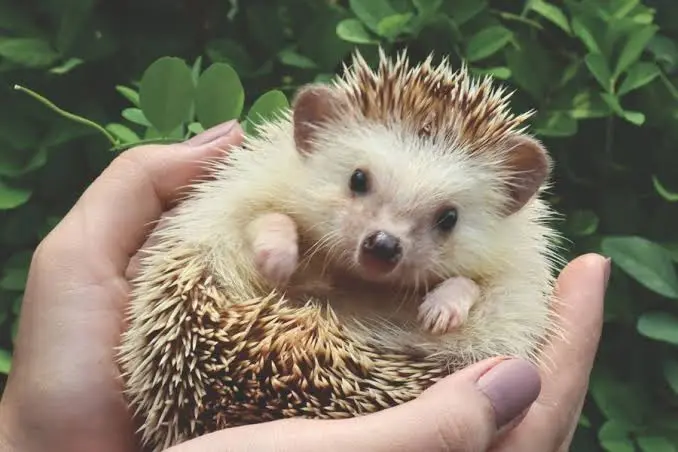
For many families, choosing a companion animal is not only about how cute it looks. Space, time, noise, budget, and daily routines all matter. Pocket pets can be appealing because many are small enough for indoor homes and can fit into lifestyles where a dog or cat may not be practical. However, a small body does not mean small responsibility.
If you are wondering what are pocket pets, the term generally describes small companion animals kept as pets, especially rodents and other compact mammals. Some birds and other small animals are also grouped under the term. The right choice depends on the species and your ability to meet its specific needs.
Content
What Are Pocket Pets?
Pocket pets are small household animals that are usually easier to house than larger companion animals. Common examples include hamsters, guinea pigs, gerbils, rats, mice, chinchillas, rabbits, and some small birds. The exact definition varies because “pocket pet” is a general pet-industry term rather than a formal biological category.
It is important not to assume that all small companion animals have the same care requirements. A hamster may prefer living alone, while guinea pigs are social animals that generally do better with appropriate companionship. A rabbit needs considerably more room than its size might suggest, and a bird needs opportunities for movement and mental stimulation.
Common Types of Small Pets
Rodents
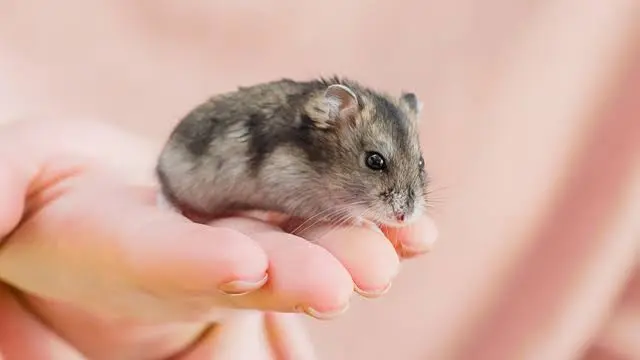
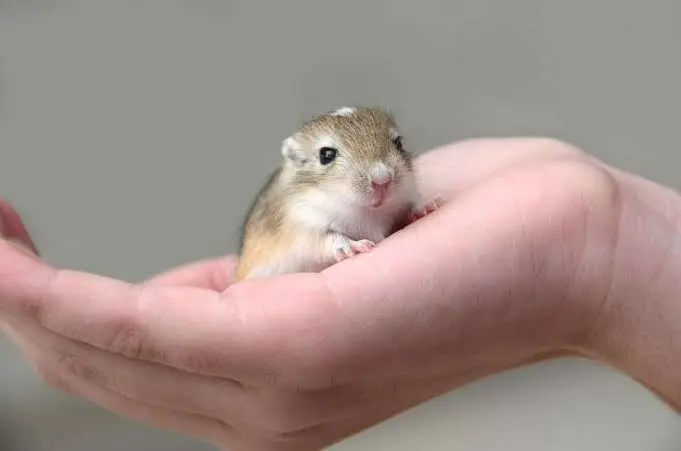
Hamsters, gerbils, rats, mice, and guinea pigs are among the most familiar pet rodents. They differ widely in temperament and social needs. Hamsters are often active at night and may prefer solitary housing, while guinea pigs need regular social interaction and a diet built around hay, suitable vegetables, and species-appropriate food.
Chinchillas are another option for experienced owners. They are active, have dense fur, and need a carefully managed environment because excessive heat can be dangerous for them.
Rabbits
Rabbits are sometimes included among pocket pets because they are smaller than many traditional companion animals, but they should not be treated as low-maintenance pets. They need room to exercise, safe chewing opportunities, appropriate food, and regular attention.
Small Birds
Budgies, finches, and cockatiels may also appeal to people looking for pocket-sized pets. Their small size makes them easier to accommodate than many larger birds, but they still need a suitable cage, daily stimulation, clean water, species-specific nutrition, and safe opportunities to move and explore.
Which Small Pets Make Good Pets?
There is no single answer because a good match depends on your household. The best pocket pets for beginners are usually species whose housing, diet, behavior, and social needs fit the owner’s routine.
For example, someone who wants a pet that can be observed during the evening may enjoy a hamster. A family looking for a gentle animal with more daytime interaction may consider guinea pigs, provided they can provide suitable space and companionship. Someone interested in a highly social animal should understand that certain species demand considerably more daily interaction.
Before choosing, ask yourself:
- How much space can I provide?
- Can I afford food, bedding, enrichment, and veterinary care?
- Do I want an animal that enjoys handling or one that is better for observation?
- How much daily cleaning and interaction can I manage?
- Can everyone in the household follow safe handling rules?
How to Care for Pocket Pets
Good pocket pet housing and care starts with the species, not the cage you happen to find at a store. Research the adult size, activity level, escape ability, ventilation needs, bedding requirements, and exercise needs before buying supplies.
Food is equally important. Avoid assuming that one commercial diet works for every small animal. Guinea pigs, rabbits, hamsters, and chinchillas have different nutritional requirements. Fresh water should always be available, while treats should remain appropriate and limited.
Enrichment is another major part of care. Tunnels, chew-safe items, hiding areas, climbing structures, toys, and supervised exploration can help prevent boredom. Cleaning should be regular, but the exact schedule depends on the habitat, bedding, species, and number of animals.
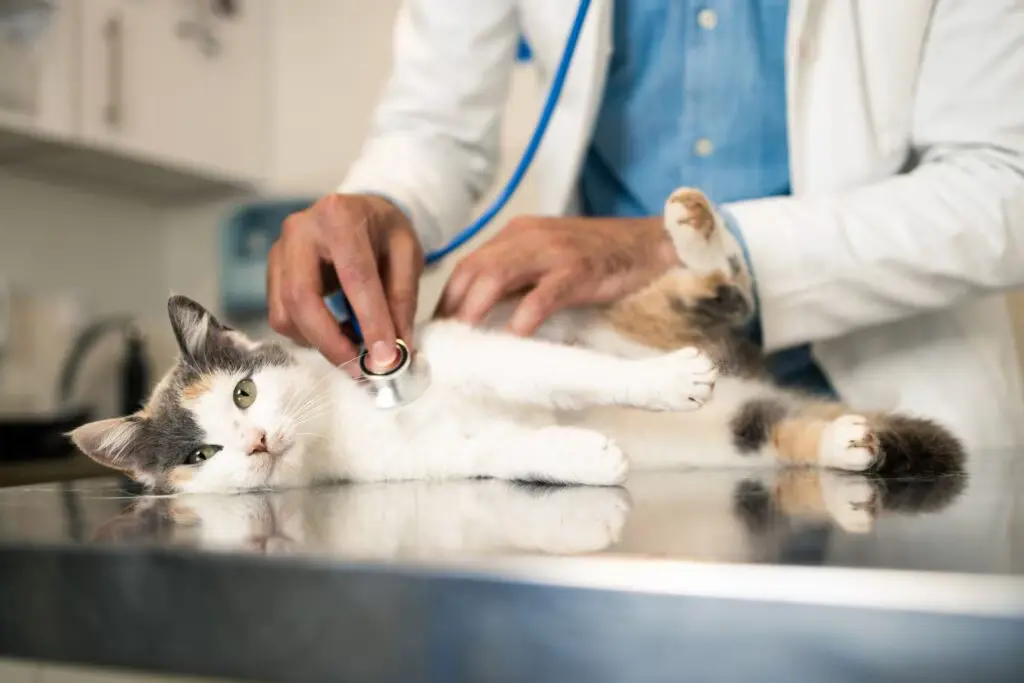
Veterinary care also matters. Small animals can hide signs of illness, so changes in appetite, weight, droppings, activity, breathing, or behavior deserve attention rather than being dismissed because the animal is tiny.
A Real-Life Case Study: Why Small Does Not Mean Simple
A published veterinary case involving a pet guinea pig illustrates this point. A two-year-old neutered male guinea pig was referred to the Ontario Veterinary College after becoming increasingly quiet, eating less, losing weight, and developing blood in the urine. Imaging eventually identified a ureteral stone. Veterinary treatment included attempts to relieve the obstruction and supportive care. The owners later reported that the guinea pig returned to normal habits within a day and remained well at home for months afterward.
This documented case is a useful reminder that even a seemingly healthy small animal can develop problems that require specialized veterinary assessment. It also shows why owners should pay attention to subtle changes rather than waiting for severe symptoms. The case report describes the animal’s housing, hay-and-pellet diet, vegetables, and water access as part of its clinical history.
Are Small Pets Good for Families and Children?
Small pets can be rewarding family companions, but supervision and expectations matter. Some small animals are fragile and can be injured by accidental squeezing or dropping. Others may become frightened by loud noises or rough handling.
Children should learn to approach calmly, support the animal correctly, and respect signs that it wants to retreat. Adults should remain responsible for feeding, habitat cleaning, veterinary decisions, and overall welfare.
A household should also consider allergies, noise, activity schedules, and lifespan. A pet that is awake mainly at night may not fit a child’s expectations, while a social species may be a poor match for someone who has very little time for interaction.
What Should You Consider Before Choosing a Pocket Pet?
Think beyond the purchase price. Initial costs may include a suitable enclosure, bedding, food dishes, water equipment, enrichment, and transportation supplies. Ongoing costs include food, replacement bedding, toys, and veterinary care.
Also check whether a veterinarian near you treats the species you want. Access to appropriate care is especially important for exotic or less commonly treated animals.
Finally, think about commitment. Some small pets live only a few years, while others can remain part of your household for much longer. Choosing based only on appearance can lead to an unhappy match for both owner and animal.
Final Thoughts
Pocket pets can bring companionship, curiosity, and plenty of personality into a home without requiring the same lifestyle as a dog or cat. But their small size should never be confused with simple care.
The best choice is the animal whose behavior, diet, housing, social needs, and lifespan fit your household. Take time to research the species, prepare its habitat before bringing it home, and identify veterinary support in advance. With thoughtful preparation, a small companion animal can become a rewarding part of everyday family life.
FAQs
How much do pocket pets cost?
Costs vary by species and setup, but owners should budget for food, housing, bedding, enrichment, and veterinary care.
Do pocket pets need veterinary checkups?
Yes. Regular checkups can help detect health problems early, especially because small animals may hide illness.
How long do pocket pets live?
Lifespan varies widely by species. Some live a few years, while others can remain companions for several years longer.
Can pocket pets live together?
Some social species can, but compatibility depends on the species, sex, space, and individual temperament.
Do pocket pets need daily exercise?
Yes. Appropriate exercise and enrichment help support healthy behavior, movement, and mental stimulation.
1. How much do pocket pets cost?
Costs vary by species and setup, but owners should budget for food, housing, bedding, enrichment, and veterinary care.
2. Do pocket pets need veterinary checkups?
Yes. Regular checkups can help detect health problems early, especially because small animals may hide illness.
3. How long do pocket pets live?
Lifespan varies widely by species. Some live a few years, while others can remain companions for several years longer.
4. Can pocket pets live together?
Some social species can, but compatibility depends on the species, sex, space, and individual temperament.
5. Do pocket pets need daily exercise?
Yes. Appropriate exercise and enrichment help support healthy behavior, movement, and mental stimulation.

Patrick Bravo takes readers on a heartwarming journey through the world of pet adoption. He champions shelter animals, shares inspiring rescue stories, and encourages families to open their hearts and homes to pets in need.