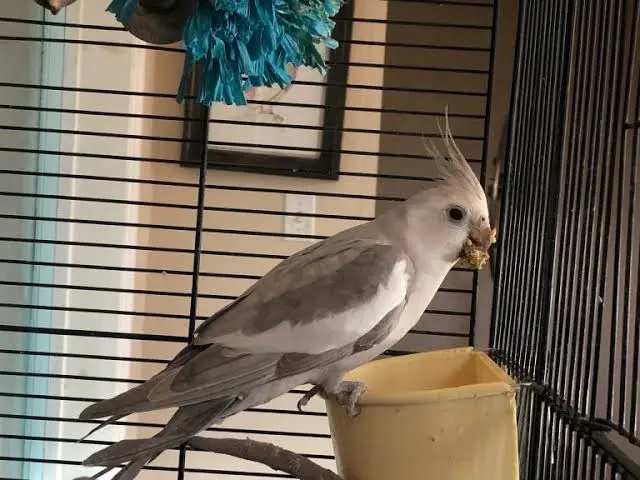
The Bare Eyed Cockatoo is an intelligent Australian parrot known for its playful nature, expressive face, and surprising ability to entertain itself. Also called the Little Corella or Short-Billed Corella, this medium-sized cockatoo can be affectionate and highly interactive, but it is not a low-maintenance pet. Like other cockatoos, it needs daily attention, mental stimulation, safe housing, and a balanced diet.
If you are considering one for your home, it helps to look beyond its charming personality. Noise, chewing, training, long-term commitment, and possible behavior problems all deserve consideration. This guide explains what makes this bird special and what everyday ownership can really involve.
Content
What Is a Bare Eyed Cockatoo?
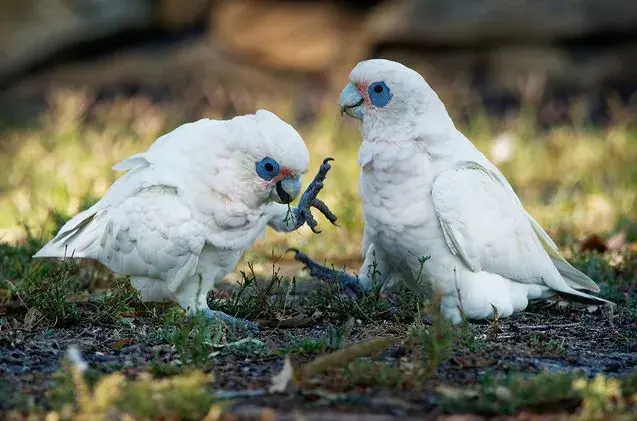
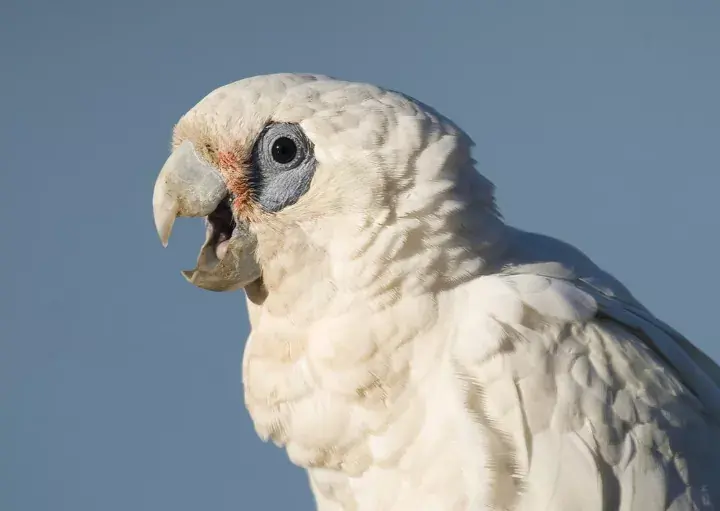
This species, scientifically known as Cacatua sanguinea, is a white cockatoo native to Australia and parts of southern New Guinea. Its most recognizable feature is the broad area of bare, bluish skin surrounding the eyes. Adults are commonly around 15 to 17 inches long, although individual size varies.
These birds are social, active foragers in the wild and can adapt well to different environments. Their intelligence also makes them curious about household objects, cage doors, toys, and anything their people are doing. That curiosity can be wonderful, but it means owners need to provide safe opportunities for chewing, climbing, exploring, and problem-solving.
What Does a Bare Eyed Cockatoo Look Like?
The white body, pale crest, dark beak, and exposed skin around the eyes create a distinctive appearance. The bare eye ring is especially useful when telling this species apart from similar white cockatoos.
A healthy bird should have bright, clear eyes, clean feathers, a well-kept beak, and an alert posture. Appearance alone, however, cannot confirm good health. Any new bird should be examined by an avian veterinarian, especially after adoption or purchase.
Bare-Eyed Cockatoo Personality and Behavior
The Bare Eyed Cockatoo personality is often described as playful, clownish, curious, and affectionate. Many individuals enjoy dancing, learning tricks, climbing, and interacting with family members. Some can learn words and sounds, so their talking ability may be an appealing feature for people who enjoy vocal birds.
At the same time, independence should not be confused with low social needs. A bird may happily spend part of the day working on a toy and still need meaningful interaction with its owner. Boredom and isolation can contribute to unwanted behaviors such as excessive screaming, destructive chewing, or feather damage.
Are Bare Eyed Cockatoos Good Pets?
They can be rewarding pets for the right household. A good match is usually someone who has time for daily interaction, understands parrot body language, and is prepared for a long-term commitment.
They may be less demanding than some larger cockatoos, but that does not make them easy beginner birds. Their intelligence means they quickly learn routines, including routines that owners accidentally reinforce. For example, immediately giving attention every time a bird screams can teach it that screaming is an effective way to call you.
Before bringing one home, consider:
- Can you provide daily out-of-cage interaction?
- Can your household tolerate loud vocalizations?
- Do you have room for a large, sturdy cage and play area?
- Can you afford quality food, toys, and avian veterinary care?
- Can you commit to the bird for decades?
Bare Eyed Cockatoo Care Requirements
Good Bare Eyed Cockatoo care starts with a secure, spacious cage. Choose the largest safe enclosure your home can accommodate, with sturdy bars and locks that a clever parrot cannot easily manipulate. Include several perch types, climbing opportunities, and toys made for strong parrot beaks.
Out-of-cage time is equally important. A supervised play stand can turn part of the day into an exercise and enrichment session. Rotate toys rather than placing every toy in the cage at once. Simple changes can make familiar objects interesting again.
Daily routines should include fresh water, feeding, cage hygiene, interaction, exercise, and enrichment. A predictable schedule can help a bird understand when meals, play, training, and quiet periods happen.
What Do Bare Eyed Cockatoos Eat?
A Bare Eyed Cockatoo diet should be varied rather than based mainly on seeds. A quality formulated pellet can provide a nutritional foundation, while fresh vegetables add variety and important nutrients. Suitable vegetables can include leafy greens, carrots, bell peppers, broccoli, and other bird-safe produce.
Fruit can be offered in appropriate portions, while fatty seeds and nuts are better used as occasional treats or training rewards. Fresh water should always be available.
Avoid foods known to be dangerous to parrots, including avocado, chocolate, alcohol, and foods containing excessive salt. If you are unsure about a particular food, check with an avian veterinarian before offering it.
How Long Do Bare Eyed Cockatoos Live?
The Cockatoo lifespan can reach several decades with appropriate care. Sources commonly report a lifespan around 40 to 60 years, although individual longevity depends on genetics, nutrition, veterinary care, environment, and overall welfare.
That makes adoption a serious commitment. A young bird may still be with you through major changes in housing, employment, relationships, and family life. Planning for future care is part of responsible ownership.
Are Bare Eyed Cockatoos Loud?
Yes. The Bare-Eyed Cockatoo noise level can be significant. Although some individuals may be quieter than larger cockatoo species, every bird has its own vocal habits. Contact calls, excitement, fear, boredom, and attempts to gain attention can all produce loud sounds.
This is one reason a detached house or a carefully planned bird room may be more practical than a thin-walled apartment. Training can help establish healthier communication, but owners should never expect a cockatoo to become completely silent.
Training and Mental Stimulation
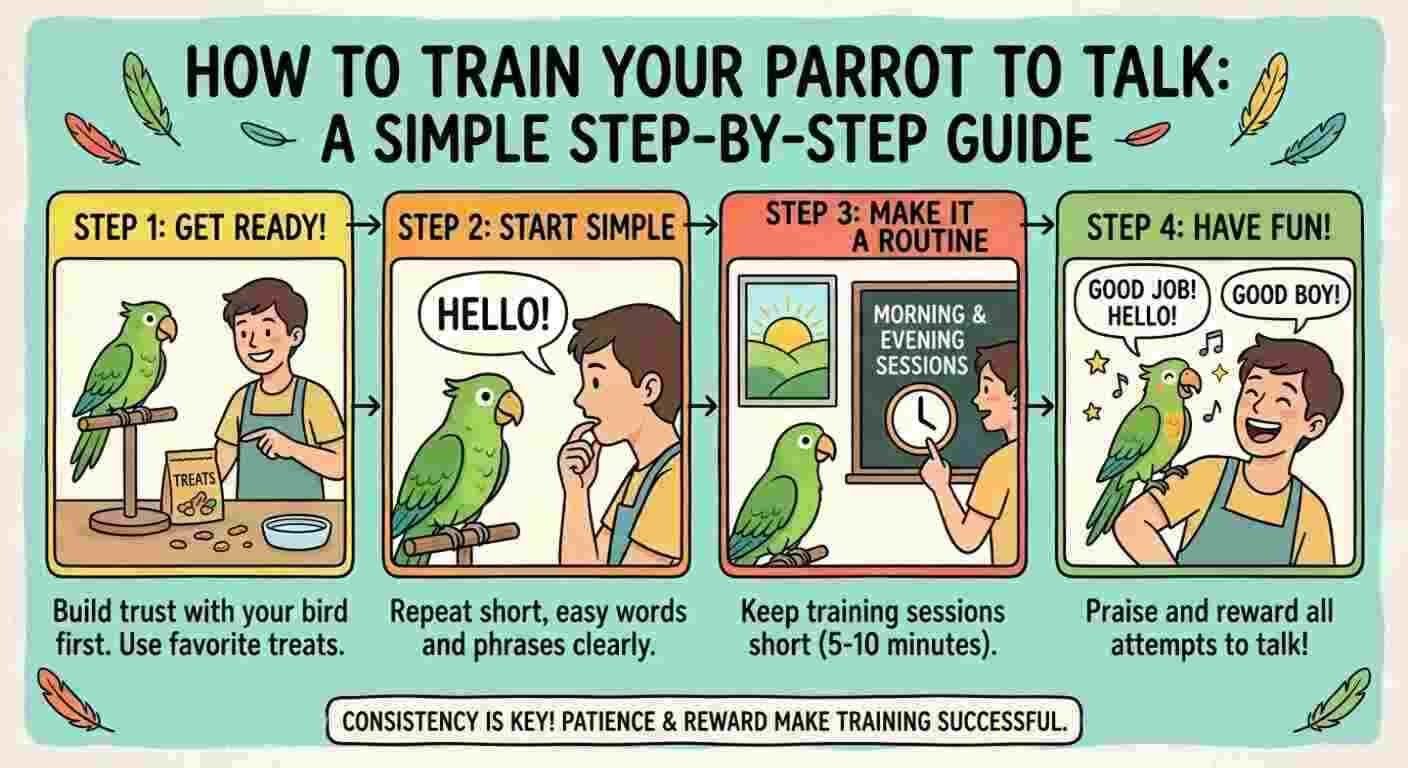
Training works best when it is consistent and reward-based. Start with simple behaviors such as stepping onto a hand or perch, returning to the cage, targeting an object, and remaining calm around everyday activities.
Mental stimulation is just as important as physical exercise. Puzzle feeders, shreddable materials, safe branches, foraging games, and short training sessions can give an intelligent bird useful things to do.
If screaming becomes frequent, look for the reason rather than simply punishing the bird. Check sleep, hunger, boredom, social needs, environment, and possible illness. Sudden behavior changes deserve veterinary attention.
A Real-Life Rescue Case Study
A useful real-world example comes from an owner story published on All Pet Birds. One rescued bird had previously lived in a poorly managed home and initially showed difficult behavior. After adoption, the owner spent months building trust and using calm, patient interaction. The bird eventually became affectionate, enjoyed sitting with the family, and developed a strong bond with the owner.
The story also shows why individual personality matters. The bird took roughly six to eight months to become comfortable enough to perch on the owner’s hand or arm. Rather than expecting instant affection, the owner allowed trust to develop gradually.
This is a valuable lesson for anyone considering a Cockatoo: rescue birds may arrive with established fears or habits, and progress can take patience. The case is an individual experience, not a guarantee that every bird will respond in the same way.
Final Thoughts
A Bare Eyed Cockatoo can be a funny, intelligent, affectionate companion, but its charm comes with responsibility. It needs space, enrichment, social interaction, training, good nutrition, and regular veterinary care.
If you can handle the noise and long-term commitment, this species can bring a remarkable amount of personality into a home. The best ownership experience starts by understanding the bird’s needs before bringing it home, rather than trying to solve behavior problems after they appear.
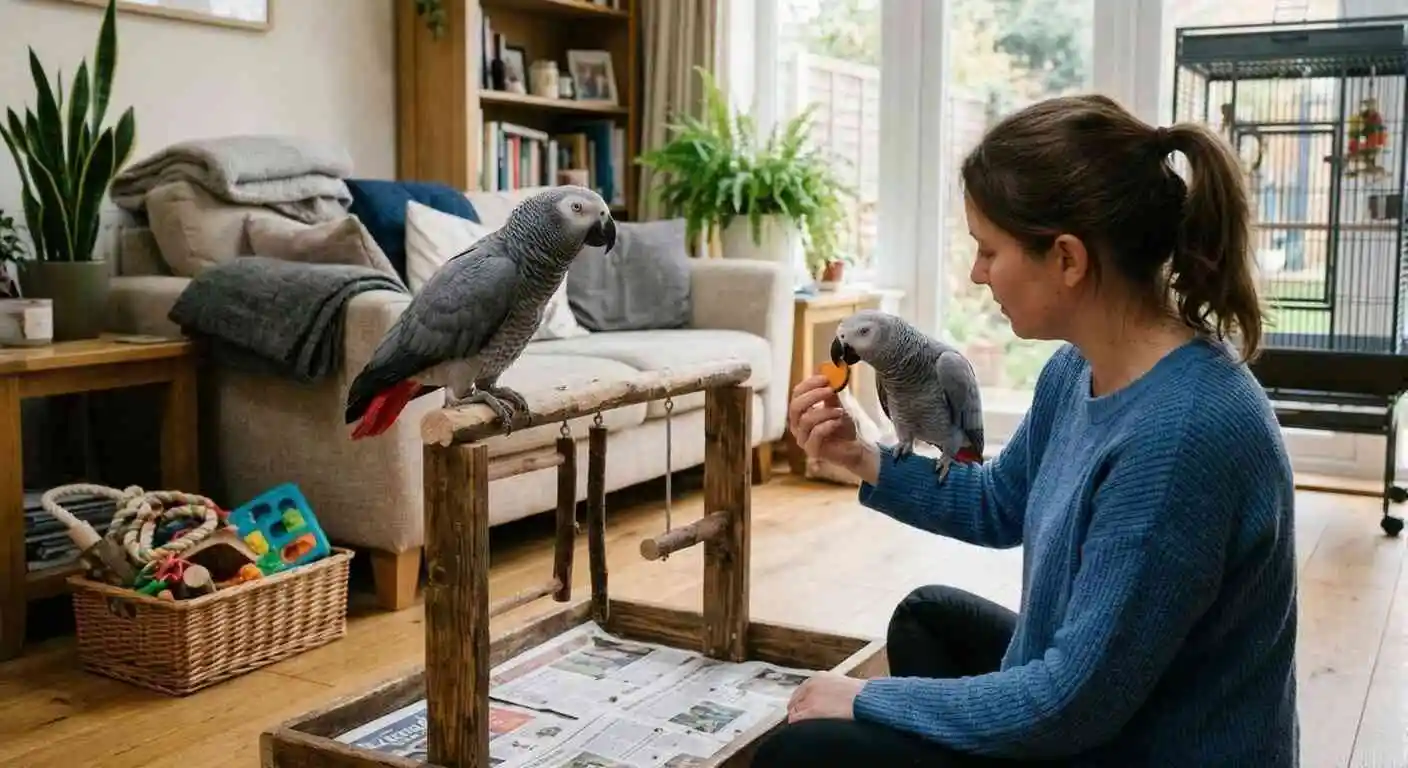
Like African Grey Parrots, Bare Eyed Cockatoos are highly intelligent birds that can learn sounds, recognize routines, and enjoy interactive training and problem-solving activities.
Frequently Asked Question
Where do Bare Eyed Cockatoos come from?
Bare Eyed Cockatoos are native to Australia and parts of southern New Guinea.
What is another name for a Bare Eyed Cockatoo?
The Bare Eyed Cockatoo is also called the Little Corella or Short-Billed Corella.
How big does a Bare Eyed Cockatoo get?
An adult Bare Eyed Cockatoo is commonly about 15 to 17 inches long.
How can you identify a Bare Eyed Cockatoo?
Look for its white feathers, pale crest, dark beak, and distinctive bluish bare skin around the eyes.
Can Bare Eyed Cockatoos learn to talk?
Yes, some Bare Eyed Cockatoos can learn words, sounds, and simple vocal routines.
Do Bare Eyed Cockatoos need toys?
Yes. Safe chewing, climbing, foraging, and puzzle toys help keep a Bare Eyed Cockatoo mentally engaged.

Patrick Bravo takes readers on a heartwarming journey through the world of pet adoption. He champions shelter animals, shares inspiring rescue stories, and encourages families to open their hearts and homes to pets in need.