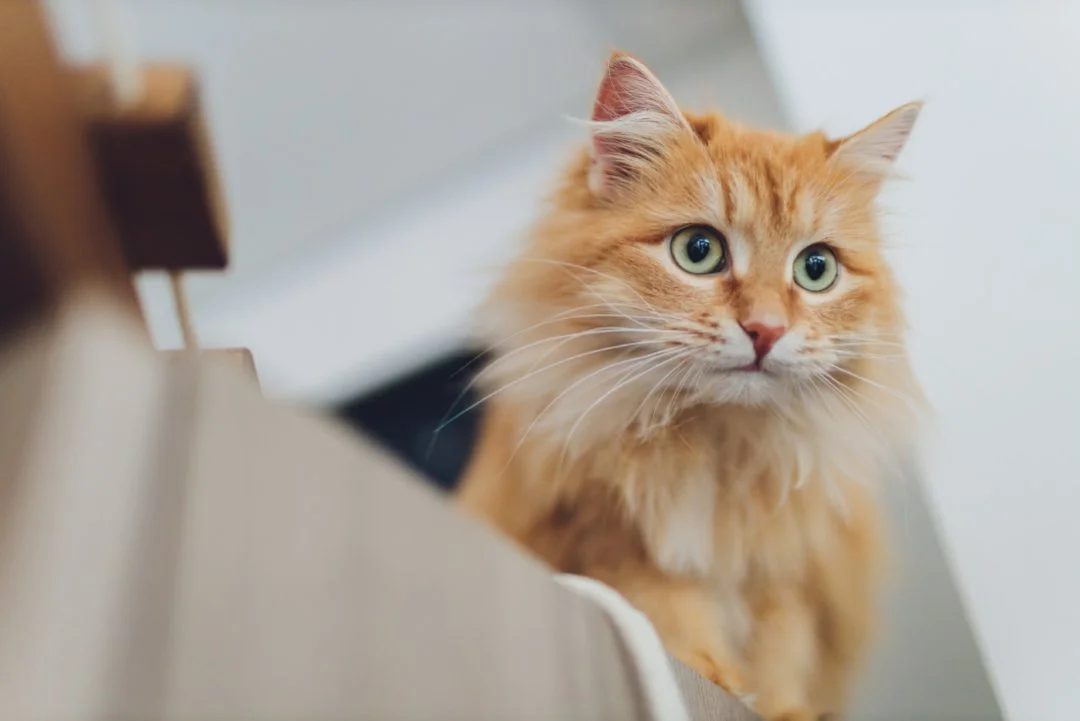
Choosing a cat is an exciting decision, but the cutest kitten or most beautiful breed is not always the best match for your home. Every cat has its own personality, energy level, social needs, and care requirements. Finding the Purr-fect cat companion means looking beyond appearance and thinking about how well a cat fits your everyday life.
Whether you are a first-time cat owner, live in a small apartment, or have a busy family, the right feline companion can make life more enjoyable for everyone. In this guide, we will explore how to choose the Purr-fect cat based on your lifestyle, home environment, experience, and expectations.
Content
Why Finding the Right Cat Matters
Cats can be independent, affectionate, playful, quiet, or highly energetic. These differences are important because your lifestyle may naturally suit one type of cat better than another.
For example, someone who works from home may enjoy an affectionate cat that likes company throughout the day. On the other hand, a person who works long hours might prefer a more independent cat that is comfortable spending some time alone.
The Purr-fect cat match is not necessarily a particular breed. It is a cat whose temperament and care needs work well with your routine.
Before making a decision, consider:
- How much time you have each day
- Your living space
- Your activity level
- Your experience with pets
- Your family’s needs
- Grooming and healthcare requirements
- Your ability to provide daily attention and enrichment
Understand Your Lifestyle Before Choosing a Cat
The first step in learning how to choose the right cat for your lifestyle is to honestly evaluate your daily routine.
Think about your typical weekday. Are you home most of the day, or are you away for eight or more hours? Do you enjoy interactive play, or would you rather have a calm companion relaxing nearby?
Your answers can help narrow your choices.
Busy Professionals
If you work full-time, look for a cat with a relatively independent personality. Adult cats can sometimes be a practical option because their personalities are more developed than those of very young kittens.
However, independence does not mean a cat needs no attention. Every cat still requires fresh food and water, a clean litter box, mental stimulation, exercise, and regular interaction.
Families With Children
Families should look for family-friendly cats with calm and tolerant temperaments. Children should also learn how to approach and handle cats respectfully.
A cat that enjoys gentle interaction may be a better choice than a nervous animal that becomes overwhelmed by noise and activity.
Apartment Residents
Living in an apartment does not automatically prevent you from having a happy cat. Many indoor cats thrive in smaller homes when they have vertical spaces, scratching posts, toys, hiding areas, and opportunities for play.
When researching the best cat breeds for apartment living, remember that individual personality can matter just as much as breed characteristics.
How to Choose a Cat Based on Personality
One of the most important things I recommend to prospective owners is to pay attention to cat personality rather than choosing solely because of appearance.
When meeting a cat, observe how it responds to people and its surroundings.
Affectionate Cats
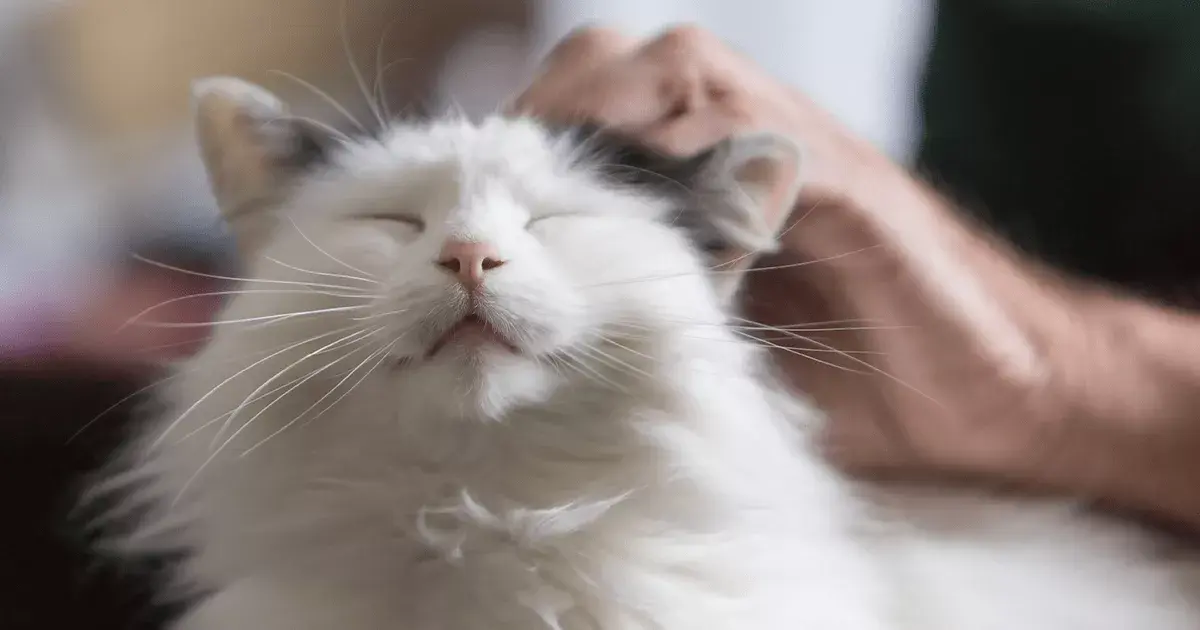
If you want a companion that enjoys sitting beside you or following you around the house, look for a social and affectionate temperament.
These cats can be wonderful for people who want frequent interaction.
Independent Cats
Independent cats may be better suited to owners who appreciate a pet that does not constantly demand attention. They still form strong bonds but may prefer spending some time alone.
Playful and Energetic Cats
Active households may enjoy playful cats that like chasing toys, climbing, and exploring. These cats need plenty of enrichment to prevent boredom.
Quiet or Shy Cats
A quieter home may be ideal for a shy cat. Give these cats time to build confidence rather than expecting immediate affection.
This is why how to choose a cat based on personality is an important consideration for every potential owner.
Consider Cat Breeds and Individual Temperament
Different cat breeds can have recognizable characteristics, but breed should not be the only factor in your decision.
Some breeds may be known for being particularly social, active, vocal, or grooming-intensive. Meanwhile, mixed-breed cats can have wonderfully diverse personalities and may be equally suitable companions.
If you are asking, “which cat breed fits my lifestyle?”, start by comparing:
- Energy level
- Grooming requirements
- Social needs
- Typical temperament
- Size
- Vocal behavior
- Potential health considerations
Most importantly, remember that individual cats are individuals. Two cats of the same breed can have very different personalities.
Creating the Purr-fect Home Environment
Once you have selected your cat, your next responsibility is creating a comfortable and stimulating environment.
A Purr-fect cat home does not need to be enormous. It needs to be safe and designed around your cat’s natural behaviors.
Provide:
- A comfortable sleeping area
- Clean food and water bowls
- An appropriately sized litter box
- Scratching surfaces
- Interactive toys
- Safe hiding places
- Perches or elevated spaces
- Regular opportunities for play
Cats naturally like to climb, scratch, observe, hide, and explore. Giving them safe ways to perform these behaviors can make indoor life much more satisfying.
For busy owners, enrichment is particularly important. Puzzle feeders, rotating toys, window perches, and short play sessions can help keep a cat mentally engaged.
Real-Life Case Study: Finding a Better Match
Consider a common situation I have encountered while helping pet owners make better choices.
A couple initially wanted a young, highly energetic kitten because they loved the playful appearance and thought raising a kitten would be fun. However, both worked long hours and had limited time during weekdays.
After discussing their routine, they realized that a very demanding kitten might not be the easiest match. They eventually chose a calm adult cat from a local rescue. The cat was social, comfortable being alone for reasonable periods, and enjoyed interactive play when they returned home.
The result was a much better fit.
The lesson is simple: the Purr-fect cat is not necessarily the youngest, most popular, or most attractive one. It is the cat whose needs and personality realistically fit your lifestyle.
How to Choose the Right Cat for Your Home
Your home environment should influence your decision.
If you have other pets, consider whether the new cat has experience living with animals. If you have young children, prioritize temperament and teach children appropriate boundaries.
If your home is quiet, a sensitive cat may thrive. If your household is energetic, a confident and playful cat may adapt more easily.
When considering how to choose the right cat for your home, think about the animal’s entire future rather than just the first few weeks.
A cat can live for many years, so choosing responsibly is a long-term commitment.
Tips for First-Time Cat Owners
For first-time cat owners, simplicity is often the best approach. Choose a cat whose care requirements match your experience and available time.
Before bringing your new companion home:
- Prepare the litter box and feeding area.
- Create a quiet safe space for the first few days.
- Purchase basic toys and scratching equipment.
- Learn about appropriate nutrition.
- Schedule routine veterinary care.
- Give your cat time to adjust.
- Build trust through consistent, gentle interaction.
Do not worry if your cat does not immediately behave like the companion you imagined. Relationships develop gradually.
Final Tips for Finding Your Purr-fect Cat
Finding the Purr-fect cat requires patience and realistic expectations. Start by understanding your own lifestyle, then consider the cat’s age, personality, activity level, social needs, and care requirements.
Don’t choose solely because a particular cat looks adorable. Spend time observing its behavior and ask questions about its history. If possible, work with a reputable shelter, rescue organization, or responsible breeder who can help you understand the animal’s temperament.
The Purr-fect cat match is one where both owner and cat can thrive together.
Conclusion
Choosing a cat is about building a long-term relationship, not simply selecting a pet based on looks. By considering your schedule, home, family, experience, and preferred level of interaction, you can make a much more informed decision.
Take your time, ask questions, observe behavior, and think about the cat’s needs as carefully as your own. When lifestyle and temperament align, you have a much better chance of creating a happy, lasting bond with your new feline friend—and discovering your truly Purr-fect cat companion.
FAQs About Purr-fect
What is the best cat for first-time owners?
A calm, social cat with manageable care needs can be a good option for many first-time owners.
Are cats suitable for busy people?
Yes. Many cats can adapt to busy households, provided their essential care, enrichment, and social needs are consistently met.
What should I consider before adopting a cat?
Consider personality, age, health, activity level, grooming needs, home environment, and the time you can provide.
Are indoor cats happy in apartments?
Yes. Indoor cats can thrive in apartments when they have enrichment, safe spaces, exercise, and appropriate daily care.
How do I choose a cat based on personality?
Observe how the cat interacts with people, handles new environments, plays, communicates, and responds to gentle attention.

Patrick Bravo takes readers on a heartwarming journey through the world of pet adoption. He champions shelter animals, shares inspiring rescue stories, and encourages families to open their hearts and homes to pets in need.