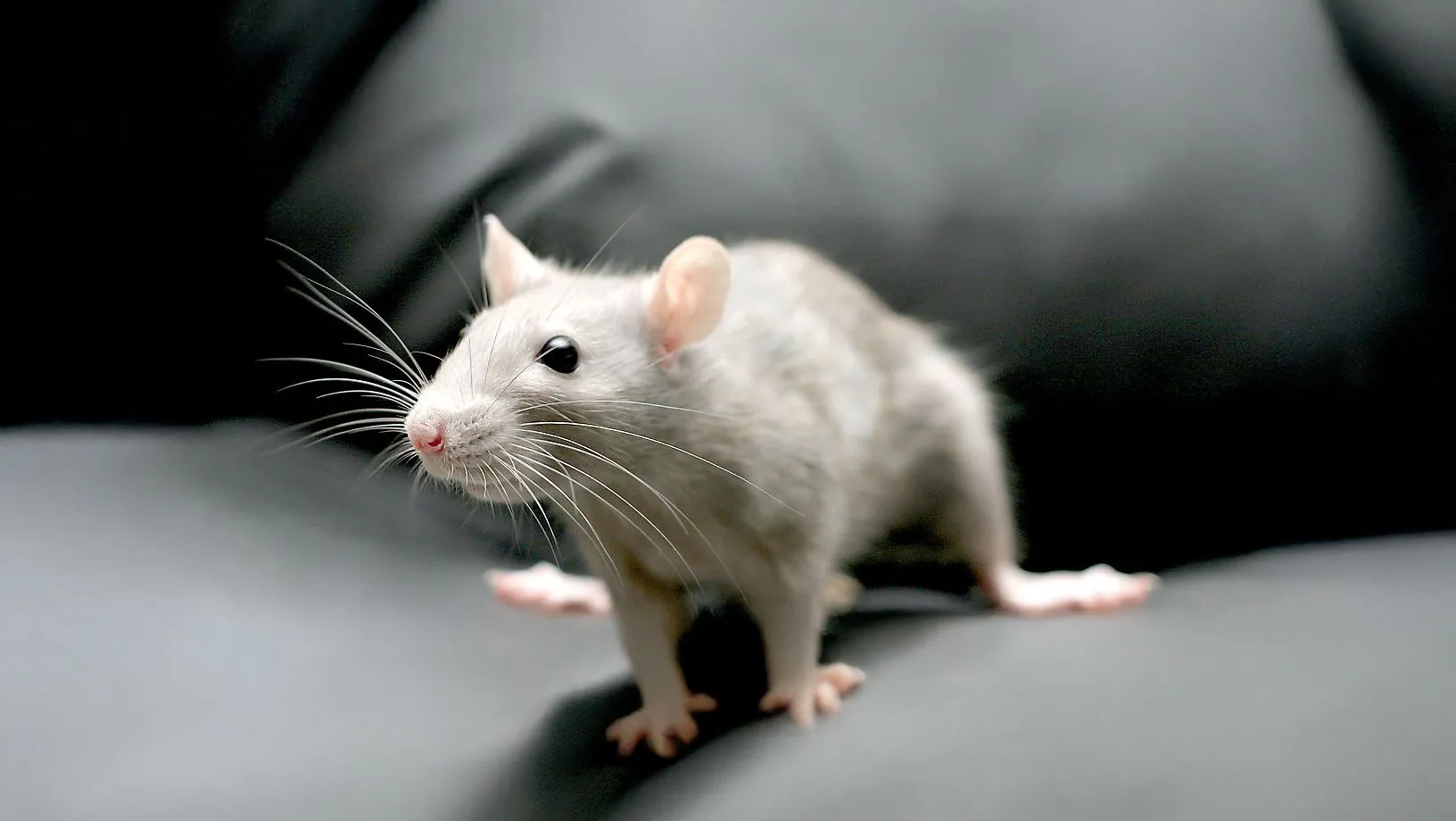
Fancy rats are intelligent, social, curious, and surprisingly affectionate pets. They can learn routines, recognize their owners, explore their surroundings, and enjoy interactive play. But their small size can sometimes make new owners underestimate how much attention they need.
Good fancy rat care is about much more than providing food and a cage. Your rats need suitable housing, companionship, a nutritious diet, exercise, enrichment, cleanliness, regular observation, and prompt veterinary attention when something seems unusual. Veterinary guidance also emphasizes that pet rats need appropriate housing, balanced nutrition, exercise, and socialization to stay healthy.
If you are learning how to care for a fancy rat, the best approach is to think about its entire lifestyle rather than one individual need.
Content
What Do Fancy Rats Need to Stay Healthy?
So, what do fancy rats need to stay healthy? They need a safe and well-ventilated enclosure, appropriate bedding, a nutritionally complete rat food, fresh water, opportunities to exercise, mental stimulation, and regular interaction.
One important point that new owners sometimes overlook is companionship. Rats are highly social animals and generally do best with other compatible rats rather than being kept alone. Same-sex pairs or appropriately managed groups are commonly recommended.
Your daily routine should therefore include both physical care and social interaction.
How to Create the Best Cage Setup for Fancy Rats
The best cage setup for fancy rats should give them enough room to move, climb, explore, sleep, and retreat when they want privacy.
Choose an enclosure that is:
- Spacious and escape-proof
- Well ventilated
- Easy to clean
- Equipped with a solid floor
- Large enough for the number of rats you keep
- Filled with safe hiding and climbing opportunities
Avoid wire flooring because it can injure a rat’s feet and legs. Merck Veterinary Manual also recommends avoiding wooden cages because urine can soak into the material and contribute to ammonia buildup.
Inside the cage, provide hideouts, hammocks, tunnels, shelves, climbing ropes, and chew-safe toys. These additions transform an empty enclosure into a stimulating habitat.
Choose Bedding Carefully
Bedding is another important part of fancy rat care. Paper-based bedding is commonly recommended, while cedar and pine products are often avoided because aromatic compounds can irritate a rat’s sensitive respiratory system.
Regardless of the material you choose, keep the cage dry and remove soiled areas regularly.
What Should a Fancy Rat Eat?
A healthy fancy rat diet should have a nutritionally complete rat food as its foundation. Commercially prepared rat pellets or blocks can provide important nutrients and also help support normal tooth wear.
Fresh foods can be offered in appropriate amounts alongside the primary diet. Vegetables, small portions of suitable fruit, and occasional healthy treats can add variety and enrichment.
If you are wondering what should a fancy rat eat, avoid relying on a loose seed mixture as the main diet. Rats can selectively eat the tastier ingredients and leave behind nutritionally important components, potentially creating an unbalanced diet.
Fresh, clean water should always be available and checked every day.
It is also wise to avoid giving rats foods that are toxic or unsuitable, including chocolate, caffeine, and alcohol.
How Much Exercise and Enrichment Do Fancy Rats Need?
If you have ever watched a healthy rat explore a new room, you already know how curious these animals can be. How much exercise does a fancy rat need? The answer is not simply a specific number of minutes; rats benefit from opportunities to move, climb, investigate, forage, and interact throughout their routine.
Inside the cage, consider adding:
- Tunnels
- Ropes
- Hammocks
- Platforms
- Climbing structures
- Chew toys
- Puzzle-style feeding activities
Supervised out-of-cage time can provide another excellent opportunity for exercise and exploration. PetMD recommends using a pet-proofed area because rats can quickly chew wires, squeeze into gaps, or escape.
Mental stimulation is just as important as physical activity. You can hide small portions of food, rotate toys, or teach simple behaviors using rewards.
How Do You Keep a Fancy Rat Cage Clean?
Knowing how to keep a fancy rat cage clean is one of the most important parts of responsible ownership.
A practical routine includes:
- Remove obviously soiled bedding and leftover fresh food regularly.
- Check water bottles or bowls every day.
- Wipe heavily soiled surfaces.
- Wash cage accessories regularly.
- Perform a thorough cage cleaning on a consistent schedule.
- Allow cleaned surfaces to dry completely before returning your rats.
Merck recommends cleaning cages with hot water and a pet-safe disinfectant at least weekly and changing bedding at least twice weekly, while frequency can vary according to cage size, number of rats, and how quickly odors or soiling develop.
Avoid strongly scented products around your rats. Their respiratory systems are sensitive, and good ventilation is essential.
How Do You Handle and Bond With a Fancy Rat?
The best way to build trust is to let your rat learn that your presence is safe.
Start slowly. Sit near the cage, speak calmly, offer a small treat, and allow your rat to approach you. Once it becomes comfortable, introduce gentle handling.
Never grab a rat by its tail or squeeze its body. Newly adopted rats may also need time to adjust before they are comfortable being handled.
This is where fancy rat care becomes personal. Some rats immediately climb onto your shoulder, while others need weeks of patient interaction.
Follow the rat’s body language rather than forcing contact.
Grooming and Hygiene
Rats are naturally good groomers and generally do not require frequent baths. Excessive bathing can unnecessarily dry or irritate the skin.
Instead, regularly observe the coat, skin, ears, eyes, feet, and nails. If your rat suddenly looks unkempt, develops excessive scratching, or stops grooming normally, consider it a reason to investigate.
Good hygiene also means keeping food bowls, water containers, hammocks, and hiding areas clean.
How Do You Keep Fancy Rats Healthy?
Learning how to keep fancy rats healthy means becoming familiar with their normal behavior.
A healthy rat is generally curious, active, eating normally, and maintaining a clean coat. Changes can sometimes be subtle, so daily observation is valuable.
Contact a veterinarian familiar with rats if you notice signs such as:
- Persistent sneezing or breathing difficulty
- Nasal discharge
- Sudden weight loss
- Loss of appetite
- Diarrhea
- Unusual lethargy
- Lumps
- Excessive scratching
- Dental problems
- Significant behavioral changes
PetMD lists respiratory problems, weight changes, dental disease, tumors, parasites, and other conditions among potential health concerns in rats.
Because rats can become ill relatively quickly, it is better to seek professional advice rather than waiting for symptoms to become severe.
A Real-Life Case: Why Small Changes Matter
A published veterinary case report described a seven-month-old male domestic rat that developed an acute gastrointestinal emergency. His owner noticed unusual behavior, including eating bedding, loss of appetite, lethargy, and other sudden changes. The rat was treated by veterinarians, hospitalized, and subsequently recovered well, returning to normal appetite and activity during follow-up.
The lesson is not that every unusual behavior indicates the same disease. Instead, it demonstrates why attentive owners matter. Knowing your rat’s normal eating, activity, posture, and habits makes it easier to notice when something changes.
For me, this is one of the most valuable principles of fancy rat care: observation is part of care, not something you do only when your pet looks sick.
Fancy Rat Care for Beginners: A Simple Daily Routine
If you are learning how to care for fancy rats for beginners, don’t make the routine unnecessarily complicated.
Morning
- Check food and water.
- Look for obvious signs of illness.
- Remove spoiled fresh foods.
- Check heavily soiled areas.
During the Day
- Offer appropriate interaction.
- Provide supervised exercise when practical.
- Rotate or introduce enrichment activities.
Evening
- Refresh food and water as needed.
- Spend quiet bonding time with your rats.
- Check their behavior before bedtime.
Weekly
- Thoroughly clean the enclosure.
- Wash appropriate accessories.
- Inspect toys, ropes, hammocks, and cage fittings for damage.
- Reassess whether the environment is still stimulating.
This simple routine makes fancy rat care much easier to maintain consistently.
Common Fancy Rat Care Mistakes to Avoid
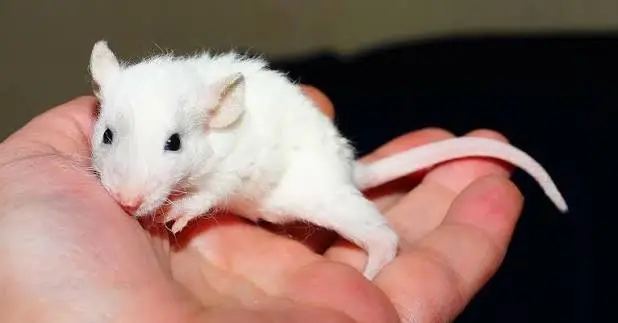
Even well-intentioned owners can make mistakes. Some of the most common include:
- Keeping a social rat alone
- Using an unsuitable or poorly ventilated cage
- Using unsafe bedding
- Feeding an unbalanced diet
- Ignoring weight changes
- Providing too little enrichment
- Allowing excessive ammonia buildup
- Handling a nervous rat too aggressively
- Waiting too long when respiratory symptoms appear
The goal is not to create a perfect environment overnight. It is to continuously improve your rats’ living conditions and respond to their individual needs.
Final Thoughts
Proper fancy rat care is a combination of nutrition, housing, hygiene, companionship, enrichment, exercise, bonding, and health monitoring. The most important thing is consistency.
Give your rats a spacious and stimulating environment, feed a balanced diet, provide safe companionship, keep their enclosure clean, and spend time learning their normal behavior. When you know what is normal for your pets, unusual changes become much easier to recognize.
Fancy rats are intelligent, social, curious, and surprisingly affectionate pets. Pet rats are considered exotic pets, even though they are increasingly kept as household companions. They can learn routines, recognize their owners, explore their surroundings, and enjoy interactive play. But their small size can sometimes make new owners underestimate how much attention they need.
FAQs About Fancy Rat Care
How long do fancy rats usually live?
Fancy rats typically live around 2–3 years, though lifespan varies with genetics, environment, diet, and overall care.
Can fancy rats recognize their owners?
Yes. Fancy rats can learn to recognize familiar people through their voice, scent, appearance, and regular interactions.
Are fancy rats good pets for children?
They can be, especially with responsible adult supervision and gentle handling. Children should learn how to interact safely with rats.
Do fancy rats sleep during the day?
Yes. Rats are generally most active around dawn, dusk, and at night, so daytime sleeping is completely normal.
How intelligent are fancy rats?
Fancy rats are highly intelligent and can learn their names, solve simple puzzles, navigate mazes, and perform trained behaviors.

Patrick Bravo takes readers on a heartwarming journey through the world of pet adoption. He champions shelter animals, shares inspiring rescue stories, and encourages families to open their hearts and homes to pets in need.