If you have ever searched pets snake while thinking about bringing a reptile home, you may be wondering whether snakes are actually suitable companions. Unlike dogs and cats, snakes do not greet you at the door, ask for attention, or need daily walks. Their quiet nature and fascinating behavior make them appealing to many reptile lovers.
But are snakes good pets for beginners? The answer is yes—for the right person.
Snakes can be fascinating, relatively quiet, and rewarding animals to keep. However, they still need an appropriate enclosure, correct temperatures, suitable humidity, proper food, clean water, and responsible handling. Before choosing one, it is important to understand what ownership really involves.
Content
Are Snakes Good Pets for Beginners?
Yes, some snakes can be excellent beginner pets. The key is choosing a species whose size, temperament, feeding habits, and habitat requirements match your experience.
When people search for pets snake, they often expect a simple answer: “Are snakes easy?” The more accurate answer is that snakes can be easier to manage than many traditional pets, but they are not maintenance-free.
A beginner-friendly snake generally has a calm temperament, manageable adult size, predictable feeding habits, and straightforward habitat requirements. Corn snakes, ball pythons, kingsnakes, milk snakes, and rosy boas are commonly considered options for new keepers.
Why Do People Choose Snakes as Pets?
There are several reasons people become interested in pets snake ownership.
First, snakes are generally quiet. They do not bark, scratch at doors, or require outdoor walks. This can make certain species attractive to people living in apartments or homes with limited space.
Second, snakes are fascinating to observe. Their movement, feeding behavior, shedding process, and exploration provide a different kind of pet experience.
Third, some snakes have relatively simple daily routines. Once the enclosure is correctly established, much of the work involves monitoring the environment, maintaining cleanliness, providing water, and following an appropriate feeding schedule.
What Makes a Snake a Good Pet?
When deciding whether pets snake ownership is right for you, consider these five factors.
1. Calm Temperament
A good beginner snake should generally tolerate appropriate, gentle handling. Individual personalities vary, so choosing a healthy, captive-bred animal from a reputable source can be helpful.
2. Manageable Adult Size
A tiny baby snake may look easy to keep, but always consider its adult size. Large constrictors can require substantially more space, equipment, and handling experience.
3. Reliable Feeding
Feeding habits differ between individuals and species. A snake that regularly accepts appropriate food can be easier for a first-time keeper than one with highly specialized requirements.
4. Straightforward Habitat Needs
Every pets snake needs a species-appropriate enclosure. Heat, humidity, hides, substrate, and ventilation should be researched before bringing the animal home.
5. Long-Term Commitment
Some pet snakes can live for many years. Choosing one should therefore be treated as a long-term responsibility rather than an impulse purchase.
What Are the Best Snakes for Pets?
If you are asking what are the best snakes for pets, several species are frequently recommended for beginners.
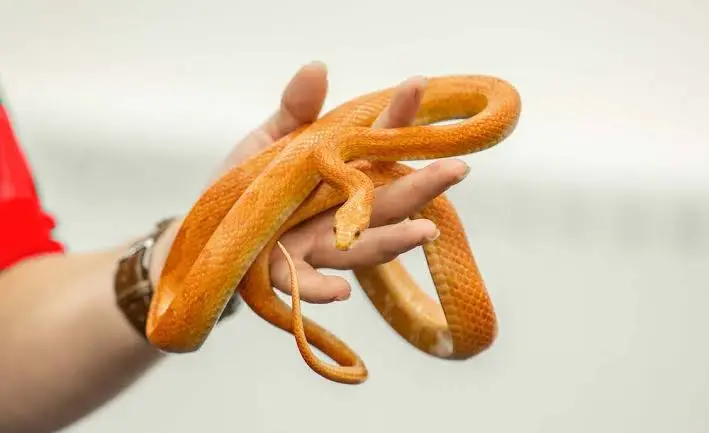
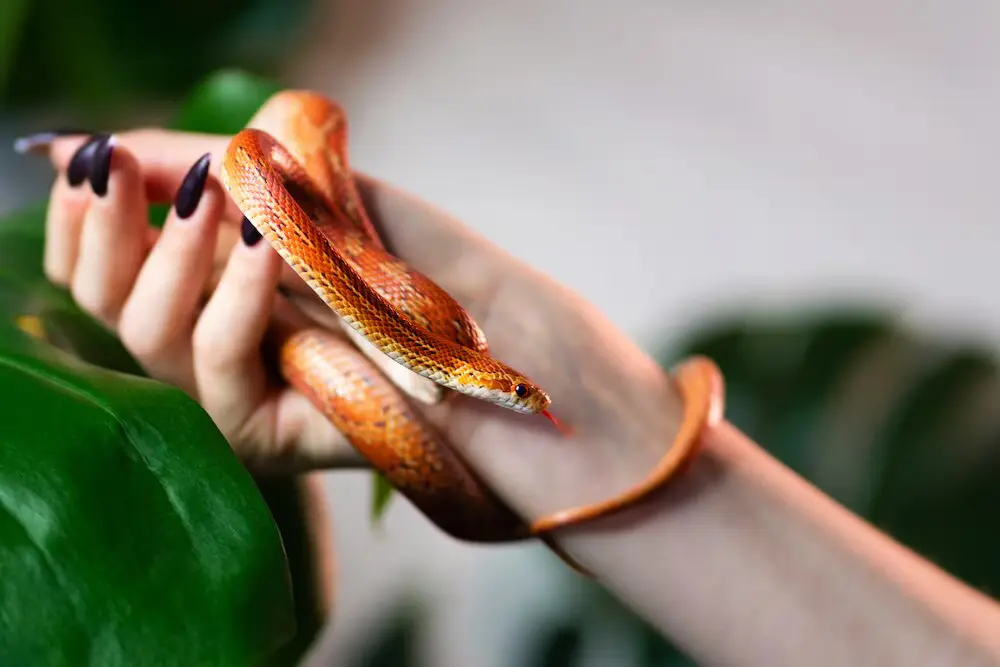
Corn Snake
Corn snakes are popular beginner pet snakes because they are generally active, manageable, and good feeders. They can be a good choice if you want to observe an animal that regularly explores its enclosure.
They are also known for being escape artists, so a secure enclosure is essential.
Ball Python
Ball pythons are known for calm behavior and manageable size. They can suit beginners who prefer a slower-moving snake.
One consideration is feeding. Some individuals can become picky eaters, so new owners should understand normal feeding behavior and avoid unnecessary panic when appetite changes temporarily.
Kingsnake
Kingsnakes can be active, curious, and strong feeders. They are attractive and often hardy, making them an appealing choice for an owner who wants a more energetic reptile.
Milk Snake
Milk snakes are colorful and generally manageable, although young individuals can be quick-moving. They may appeal to someone who wants an attractive reptile and is comfortable learning proper handling techniques.
Rosy Boa
Rosy boas are smaller, slower-moving snakes with calm temperaments. They can be worth considering if your preference is for a more relaxed reptile.
How Do You Care for a Pet Snake?
Good pet snake care begins before you purchase the animal.
Your snake needs a secure enclosure that is appropriately sized and designed for its species. A reliable heat source controlled by a thermostat is also important. Hides should allow the snake to feel secure while moving between appropriate temperature zones.
A thermometer and hygrometer help you monitor environmental conditions rather than guessing. The exact temperature and humidity requirements depend on the species.
Clean drinking water should be available, and the enclosure should be maintained regularly.
If you are researching how to take care of a pets snake, remember that there is no universal setup. A habitat that works for one species may be inappropriate for another.
What Do Pet Snakes Need to Eat?
Feeding is one of the biggest considerations when deciding whether pets snake ownership fits your lifestyle.
Many commonly kept snakes eat appropriately sized whole prey, often rodents. Feeding frequency depends on the snake’s species, age, size, metabolism, and individual condition.
New owners should learn the correct prey size and feeding schedule rather than simply feeding whenever the snake appears interested in food.
Use appropriate feeding tools and follow safe handling practices. If you are uncertain about nutrition, an exotic-animal veterinarian can provide species-specific guidance.
Are Pet Snakes Easy to Care For?
Compared with some traditional pets, pets snake care can be relatively straightforward once the enclosure is properly established.
However, there is an important difference between simple daily interaction and simple husbandry.
You may not need to walk your snake every morning, but you do need to monitor its enclosure. Temperature problems, unsuitable humidity, poor sanitation, inadequate hiding areas, or an inappropriate diet can negatively affect its health.
This is why I recommend setting up the entire habitat before bringing the snake home. Avalon Exotics similarly emphasizes having the enclosure, thermostat, hides, substrate, water bowl, and monitoring equipment ready first.
Are Snakes Good Pets for Families?
Snakes can be interesting family pets, but they should not be treated like cuddly toys.
Children should always have adult supervision when interacting with a snake. They need to learn to approach calmly, avoid squeezing the animal, and understand when the snake should be left alone.
Families should also consider hygiene. Reptiles can carry germs such as Salmonella, so proper handwashing and responsible enclosure cleaning are important.
For families considering pets snake, education should come before ownership.
Common Mistakes New Snake Owners Make
Many problems occur because new owners focus on the animal’s appearance rather than its long-term requirements.
Common mistakes include:
- Buying the snake before preparing its enclosure
- Guessing temperatures instead of measuring them
- Skipping a thermostat
- Choosing an unsuitable substrate
- Providing too few hiding places
- Handling the snake immediately after bringing it home
- Handling it soon after feeding
- Choosing a species solely because it looks attractive
- Failing to research adult size
- Not identifying an exotic-pet veterinarian in advance
These mistakes can usually be prevented through preparation and research. Avalon Exotics also highlights enclosure setup, incorrect diets, and insufficient preparation as common exotic-pet ownership problems.
A Real-World Beginner Lesson
A useful real-world lesson comes from the beginner-owner guidance published by Avalon Exotics. Their approach emphasizes matching the animal to the keeper rather than choosing a snake simply because it looks appealing.
For example, their beginner guidance compares corn snakes, ball pythons, kingsnakes, milk snakes, and rosy boas according to temperament, size, feeding behavior, and care difficulty. The practical takeaway is important: the “best” snake is not automatically the most popular one—it is the species whose requirements you can consistently meet.
That is a lesson worth remembering whenever you research pets snake options online.
Final Verdict: Are Snakes Good Pets?
So, are snakes good pets?
For the right owner, absolutely. They can be fascinating, quiet, and rewarding animals. Beginner-friendly species can be manageable when their environmental and nutritional needs are understood.
But pets snake ownership is not about keeping an animal in a box and occasionally feeding it. Responsible ownership means understanding the species, creating an appropriate habitat, monitoring conditions, providing suitable nutrition, and recognizing signs of stress or illness.
If you are still researching pets snake choices, start with species rather than appearance. Compare temperament, adult size, habitat requirements, feeding habits, and expected lifespan.
Ultimately, the best pets snake is the one you are prepared to care for properly for its entire life.
FAQs About Pets Snake?
Are snakes good pets for beginners?
Yes. Corn snakes, ball pythons, kingsnakes, milk snakes, and rosy boas can be suitable for prepared beginners.
What is the easiest snake to keep as a pet?
Corn snakes are commonly recommended because they are manageable, hardy, and generally reliable feeders.
Do pet snakes like being handled?
Some species tolerate gentle handling well, but snakes do not seek human affection like dogs or cats.
How often do beginner snakes eat?
Feeding schedules vary according to species, age, size, and individual needs.
Are snakes good pets for families?
They can be, provided children are supervised and the family understands proper reptile care and hygiene.

Patrick Bravo takes readers on a heartwarming journey through the world of pet adoption. He champions shelter animals, shares inspiring rescue stories, and encourages families to open their hearts and homes to pets in need.