Caring for a cat is about much more than putting food in a bowl and cleaning the litter box. Cats need balanced nutrition, clean water, grooming, exercise, a safe environment, veterinary care, and plenty of mental stimulation. Good cats care also means learning your pet’s normal habits so you can notice when something changes.
Whether you are bringing home your first kitten or have lived with cats for years, a simple routine can make everyday care easier. In this guide, we will cover practical cats care tips, common mistakes to avoid, and ways to help your cat stay comfortable and healthy.
Content
What Do Cats Need for Daily Care?
The foundation of good cats care is consistency. Most cats do best when their basic needs are met at roughly the same time each day.
A healthy daily routine should include:
- Fresh food appropriate for your cat’s age and health needs
- Clean drinking water
- A clean litter box
- Short periods of play and exercise
- Grooming when needed
- A comfortable sleeping area
- Positive interaction and attention
- Regular observation of behavior and appetite
You do not need an elaborate routine. Even a few minutes of focused attention can make a difference when it becomes part of everyday life.
How to Provide Proper Nutrition for Cats
Good cat nutrition supports energy, healthy body weight, muscle maintenance, and overall wellness. Choose a complete and balanced cat food that matches your cat’s life stage.
Kittens, adult cats, and senior cats can have different nutritional needs. Portion sizes also matter because indoor cats may become overweight when they eat more calories than they use.
If you are wondering how to take care of a cat, start by paying attention to what and how much it eats. Follow feeding guidance on the food packaging and ask your veterinarian about portions if your cat is gaining or losing weight unexpectedly.
Avoid making human food a regular part of your cat’s diet. Some foods that are harmless to people can be unsafe for cats.
Why Is Fresh Water Important?
Hydration is an important part of cats care, yet some cats are surprisingly uninterested in standing water. Keep clean water available throughout the day and wash the bowl regularly.
Some cats prefer wide, shallow bowls, while others enjoy moving water from a pet fountain. If your cat suddenly drinks much more or much less than usual, pay attention to the change and discuss persistent changes with a veterinarian.
For households with several cats, placing water in more than one quiet location can make drinking more convenient.
How to Maintain Good Cat Hygiene
Clean surroundings are an important part of cat hygiene. Scoop the litter box regularly, wash food and water bowls, and keep bedding areas reasonably clean.
Cats naturally spend time grooming themselves, but they still benefit from occasional help. Long-haired cats may need regular brushing to reduce tangles and loose fur, while short-haired cats generally need less frequent grooming.
Regular grooming also gives you a chance to check your cat’s skin, coat, ears, paws, and body for unusual changes.
How to Groom a Cat at Home
If you want to know how to groom a cat at home, begin slowly. Let your cat investigate the brush before you use it. Keep early sessions short and reward calm behavior.
Brush gently in the direction of the coat. Avoid pulling through painful mats. If severe matting develops, professional grooming or veterinary assistance may be safer than trying to cut the mats out yourself.
Dental care should also be part of your cat’s wellness routine. Ask your veterinarian about appropriate dental products and techniques rather than using human toothpaste.
How to Care for an Indoor Cat
Indoor cats may be protected from many outdoor dangers, but they still need physical and mental stimulation. Indoor cat care should include opportunities to climb, scratch, explore, chase toys, and interact with their owners.
Provide:
- Scratching posts
- Safe climbing areas
- Interactive toys
- Comfortable hiding spaces
- Window access where safe
- Regular play sessions
Learning how to keep an indoor cat happy is often about creating variety. Rotate toys instead of leaving every toy available all the time. A toy that disappears for a week can become interesting again when you bring it back.
How Much Exercise Does a Cat Need?
Cats are natural hunters, so play that imitates chasing or stalking can be especially engaging. Short play sessions are often easier to maintain than one long session.
Use toys rather than your hands during energetic games. This helps your cat understand that fingers and feet are not toys.
Exercise is an important part of cats care because it can support healthy weight management while providing mental stimulation.
How to Keep Your Cat Healthy
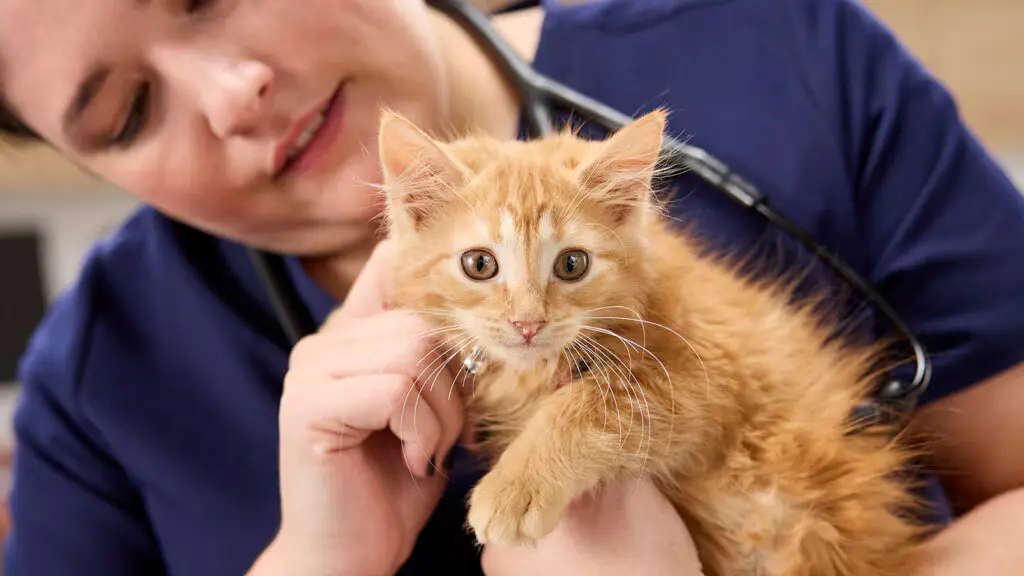
Regular veterinary checkups are an important part of how to keep your cat healthy. Your veterinarian can assess your cat’s general condition and discuss vaccinations, parasite prevention, dental health, nutrition, and age-related care.
You should also become familiar with your cat’s normal behavior. Changes in appetite, drinking, litter box habits, activity, grooming, or social behavior can sometimes indicate that something is wrong.
Do not wait for a serious problem before paying attention to changes.
Create a Daily Cat Care Routine
A simple routine makes cats care easier for both you and your pet.
For example:
Morning:
Refresh water, provide breakfast, scoop the litter box, and spend a few minutes interacting with your cat.
Afternoon:
Check water, provide enrichment, and give your cat a quiet place to rest.
Evening:
Serve dinner, clean the litter box again if needed, brush your cat when appropriate, and have a short play session.
This type of routine is especially useful for busy owners because it turns essential tasks into predictable habits.
Real-Life Case Study: Turning Small Changes Into Better Cat Care
Consider a common household example involving a six-year-old indoor cat named Milo.
Milo’s owner noticed that he was becoming less interested in play and spending more time sleeping. At first, the change seemed minor. His owner responded by improving his daily routine: meals were measured more carefully, interactive play was introduced twice a day, water bowls were refreshed regularly, and his litter box was cleaned consistently.
However, the owner did not assume that reduced activity was simply a normal part of aging. Because the behavioral change continued, Milo was taken for a veterinary examination.
This example highlights an important lesson: good cats care is not only about performing routine tasks. It is also about knowing your cat well enough to recognize changes.
A daily routine gives owners a baseline. When something becomes noticeably different, you are more likely to catch it early and seek appropriate professional advice.
What Are Essential Cat Care Tips for New Owners?
New owners often focus on food, toys, and a comfortable bed, but responsible cats care involves several other areas.
Keep identification information current, maintain a safe home environment, provide scratching opportunities, establish a litter routine, and schedule appropriate veterinary care.
Most importantly, give your cat time to adjust. A newly adopted cat may hide, remain cautious, or take time to become comfortable. Quiet interaction and predictable routines can help build trust.
When Should You Contact a Veterinarian?
Some changes should not simply be ignored. Contact a veterinarian if your cat has concerning or persistent symptoms such as difficulty breathing, repeated vomiting, severe weakness, significant injury, sudden collapse, seizures, or suspected toxin ingestion.
A major change in eating or drinking habits can also deserve professional attention, especially when it persists or occurs alongside other unusual symptoms.
The reference emergency-care approach emphasizes recognizing potentially serious problems quickly rather than waiting for them to become worse. This is a useful principle for everyday cat owners too.
Final Thoughts Cats Care
Good cats care does not have to be complicated. The most valuable habits are often simple ones: provide appropriate food, keep fresh water available, maintain a clean litter area, encourage exercise, groom when necessary, and pay attention to changes in behavior.
When you understand your cat’s normal routine, it becomes much easier to notice when something is different. That awareness, combined with regular veterinary care and a safe home environment, can help you give your cat a comfortable and fulfilling life.
A consistent routine makes cats care easier for both you and your pet. Paying attention to your cat’s normal behavior can also help you understand its needs. For example, if you have ever wondered Why Does My Cat Stare at Me, the behavior may simply be a way of seeking attention, food, interaction, or communicating with you. Watching these everyday behaviors can help you notice what is normal for your cat and recognize unusual changes that may need attention.
Frequently Asked Questions
How often should you feed a cat?
Most adult cats can follow a consistent feeding schedule, while kittens generally require more frequent meals. Follow your veterinarian’s advice and food-label guidance for your cat.
How often should a cat be groomed?
It depends on the coat. Short-haired cats usually need less brushing, while long-haired cats may benefit from frequent grooming to prevent tangles and mats.
What should a healthy cat eat?
A cat should receive a complete and balanced diet appropriate for its age and individual needs. Ask your veterinarian if you are unsure which diet is suitable.
How can I keep my indoor cat happy?
Provide daily play, scratching areas, safe climbing opportunities, hiding spaces, and regular positive interaction. Variety helps prevent boredom.
What is the most important part of cat care?
Consistency is key. Proper food, fresh water, hygiene, exercise, enrichment, observation, and veterinary care all work together to support your cat’s well-being.

Patrick Bravo takes readers on a heartwarming journey through the world of pet adoption. He champions shelter animals, shares inspiring rescue stories, and encourages families to open their hearts and homes to pets in need.