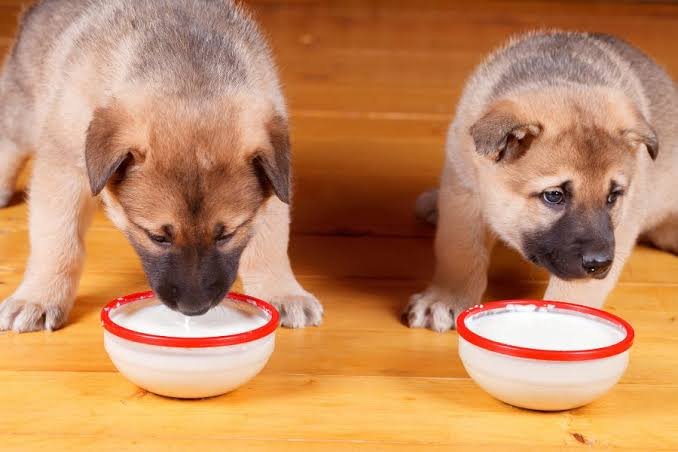
Seeing Dog Vomiting can be unsettling, especially when it happens suddenly. A single episode may follow a simple stomach upset, eating too quickly, or getting into food that did not agree with your pet. However, repeated vomiting, blood, pain, weakness, or other symptoms can point to a problem that needs veterinary attention.
The important thing is to look at the whole picture rather than judging the situation by one episode alone. In this guide, I’ll explain common causes, what different vomit may suggest, what to do at home, and when a vet visit should move to the top of your list.

Content
Why Is My Dog Vomiting?
Dog Vomiting can happen for many reasons, from mild digestive irritation to conditions that require urgent treatment. Common causes include dietary indiscretion, sudden food changes, eating spoiled food, parasites, infections, food intolerance, toxins, pancreatitis, and foreign objects.
Some dogs also vomit because they eat too fast. For example, a dog that gulps down dinner and brings up recognizable pieces of food shortly afterward may simply have eaten too quickly. That does not automatically mean something serious is wrong, but repeated episodes deserve closer attention.
More serious causes can involve an intestinal obstruction or another illness affecting the digestive system or internal organs. Veterinary sources note that ongoing vomiting can also contribute to dehydration and electrolyte problems.
Common Dog Vomiting Causes
The possible causes of vomiting in dogs are broad, which is why context matters. Think about what your dog ate, when the vomiting started, how often it happened, and whether anything else changed.
Common possibilities include:
- Eating garbage, table scraps, spoiled food, or too many treats
- A sudden change in diet
- Food intolerance or sensitivity
- Parasites or gastrointestinal infections
- Eating grass or other irritating material
- Swallowing a toy, sock, bone, wrapper, or another foreign object
- Exposure to medication, chemicals, or toxic substances
- Pancreatitis or another digestive disorder
- Certain liver, kidney, or other systemic illnesses
One useful habit is keeping a quick record when your dog becomes sick. Note the time, number of episodes, appearance of the vomit, recent meals, treats, medications, and anything unusual your dog could have eaten. These details can help your veterinarian assess the situation.
What Does Dog Vomit Mean?
The appearance of vomit can provide clues, but color alone cannot tell you exactly what is wrong.
Yellow liquid may contain bile and can occur when the stomach is relatively empty, but it can also appear with other gastrointestinal problems. White foam may occur with stomach irritation or nausea. Undigested food can happen when a dog eats quickly, although recurrent vomiting of food can have other causes.
Blood is more concerning, particularly when it is repeated or accompanied by weakness, pain, pale gums, or other abnormal signs. Foreign material in vomit is also important because it may indicate that a dog swallowed something that could become lodged in the digestive tract.
If you notice something unusual, take a photo before cleaning it up. It can give your veterinarian additional information.
What to Do When Your Dog Is Vomiting
If you are wondering what to do when your dog is vomiting, start by staying calm and observing your pet closely. Do not give human medications unless a veterinarian specifically tells you to do so.
For a dog that has vomited once and otherwise seems comfortable, your veterinarian may recommend short-term dietary management and careful monitoring. Water is important because vomiting can contribute to dehydration, but a dog that repeatedly vomits even small amounts of water needs professional advice.
Avoid immediately offering a large meal or lots of treats. If your veterinarian advises feeding after the stomach has settled, small portions of an easily digestible diet may be used. Follow the specific feeding instructions your veterinary team provides, particularly for puppies, senior dogs, or dogs with existing health problems.
Do not try to make your dog vomit after suspected toxin or foreign-object ingestion unless a veterinarian or poison-control professional specifically instructs you to do so. Some substances can cause additional injury when brought back up.
When Should I Worry About My Dog Vomiting?
You may ask, when should I worry about my dog vomiting? The answer depends on frequency, severity, and accompanying symptoms.
Contact a veterinarian promptly if your dog:
- Vomits repeatedly or cannot keep water down
- Has blood in the vomit
- Becomes unusually weak, sleepy, or unresponsive
- Has significant abdominal pain or swelling
- Develops persistent diarrhea, especially with blood
- Refuses food and seems unwell
- Shows signs of dehydration
- May have swallowed a foreign object
- May have eaten a toxin, medication, or other dangerous substance
Repeated attempts to vomit without producing anything, especially with restlessness or abdominal enlargement, can be an emergency because serious bloating conditions can develop rapidly.
Is Dog Vomiting an Emergency?
Dog Vomiting may be an emergency when it occurs with severe or rapidly worsening symptoms. A dog that is repeatedly retching, has a swollen abdomen, collapses, struggles to breathe, has pale gums, or appears severely distressed should receive urgent veterinary attention.
Suspected poisoning and foreign-body ingestion also warrant prompt professional guidance. A dog can sometimes swallow an object without an owner seeing it happen, so vomiting combined with appetite loss, abdominal discomfort, or lethargy should not be dismissed.
Why Is My Dog Vomiting but Acting Normal?
It is possible for a dog to vomit once and continue behaving normally. For example, some dogs may vomit after eating something irritating and then return to their usual behavior.
Still, “acting normal” does not guarantee that there is no underlying problem. Watch for recurrence and changes in appetite, drinking, bowel movements, energy, and comfort. If vomiting returns or new symptoms appear, contact your veterinarian.
Real-Life Case Example: When Vomiting Revealed a Blockage
A published veterinary case involving a Bulldog named Hoosier illustrates why repeated vomiting should not always be treated as a simple stomach upset. Veterinary examination and imaging identified foreign objects from a toy in his intestine, with intestinal perforation and leakage into the abdomen. He required emergency surgery and recovered after the objects were removed.
The lesson is not that every vomiting episode means a blockage. It is that foreign objects can become serious when they lodge in the digestive tract. If your dog has access to toys, socks, bones, wrappers, or other chewable objects and then develops repeated vomiting or appetite loss, tell your veterinarian about the possibility of ingestion.
How to Help Prevent Vomiting in Dogs
You cannot prevent every episode, but several habits can reduce avoidable stomach problems:
- Keep trash, medications, chemicals, and toxic foods out of reach.
- Introduce diet changes gradually.
- Avoid excessive table scraps and unfamiliar treats.
- Supervise dogs that chew or swallow toys.
- Choose appropriately sized, durable toys and inspect damaged ones.
- Keep a note of foods or treats that seem to trigger stomach upset.
- Maintain routine veterinary care.
If your dog is a fast eater, ask your veterinarian whether slower feeding methods are appropriate. Prevention is especially valuable for dogs that repeatedly get into household objects.
Final Thoughts
Dog Vomiting is a symptom, not a diagnosis. An isolated episode in an otherwise comfortable dog may be minor, but repeated vomiting or vomiting with pain, blood, weakness, dehydration, abdominal swelling, or suspected toxin or foreign-object ingestion needs more attention.
Although Ringworm in Dogs primarily affects the skin and coat rather than the digestive system, dogs dealing with infections may sometimes show other signs of illness. If vomiting occurs alongside skin lesions, hair loss, itching, or other unusual symptoms, mention all of these changes to your veterinarian.
FAQs About Dog Vomiting
How often is vomiting normal for a dog?
An occasional isolated episode may happen, but repeated or frequent vomiting should be discussed with a veterinarian.
Should I give my dog water after vomiting?
Yes, water is important, but offer it carefully. If your dog repeatedly vomits water, contact a veterinarian promptly.
Why is my dog vomiting yellow liquid?
Yellow vomit often contains bile and may occur when the stomach is empty, but repeated yellow vomiting can have other causes.
Why is my dog vomiting undigested food?
Undigested food may appear when a dog eats too quickly or vomits soon after eating. Repeated episodes need veterinary evaluation.
Can eating grass cause my dog to vomit?
Eating grass can sometimes irritate a dog’s stomach and may be followed by vomiting, although vomiting after grass can have other causes.
What should I feed my dog after vomiting?
Once vomiting has stopped, follow your veterinarian’s advice about when to feed and which easily digestible foods or diet to use.
Can stress cause vomiting in dogs?
Stress can contribute to digestive upset in some dogs, but repeated vomiting should not automatically be blamed on stress.

Patrick Bravo takes readers on a heartwarming journey through the world of pet adoption. He champions shelter animals, shares inspiring rescue stories, and encourages families to open their hearts and homes to pets in need.