Choosing a bird can be exciting, especially when you want a cheerful companion that fits your home and daily routine. But the best bird pets for beginners are not automatically the biggest, quietest, or most colorful species. A good choice depends on temperament, space, noise, social needs, handling, and the time you can provide every day.
If you are comparing the best bird pets for beginners, start by thinking about your lifestyle rather than appearance alone. Budgies, cockatiels, canaries, doves, and lovebirds can all be appealing, but they have different personalities and care requirements.
Content
What Makes a Bird a Good Pet for Beginners?
A beginner-friendly bird should have care requirements you can realistically manage. Before bringing one home, consider these points:
- Temperament: Friendly pet birds that are comfortable around people can make the learning process easier.
- Space: Cage size matters, and bigger is generally better. VCA lists larger minimum housing dimensions for cockatiels, lovebirds, and parrotlets than for budgies, finches, and canaries.
- Social needs: Birds are social animals, so daily interaction and enrichment are important.
- Noise: Some talking birds and larger parrots can be considerably louder than smaller species.
- Lifespan: A bird can be a long-term commitment, so think beyond the first few months.
- Diet and veterinary care: Proper nutrition and access to an avian veterinarian are important parts of responsible pet bird care.
What Are the Best Bird Pets for Beginners?
1. Budgie: A Small, Social Companion
For many first-time owners, the budgie pet bird is an easy place to start. Budgies are small, active, social, and capable of learning sounds and words with patient training. VCA describes them as gentle and affectionate birds that enjoy playing, flying, chewing, and interacting with family members.
That combination makes the budgie one of the best bird pets for beginners who want an interactive companion without choosing a large parrot. A budgie still needs toys, safe exercise, a suitable cage, a balanced diet, and regular veterinary care.
Budgies are also among the best small birds for pets when space is limited, although a larger cage and safe out-of-cage activity are still important. VCA notes that young birds may also be easier to tame and adapt to new environments.
2. Cockatiel: A Gentle First Bird
Cockatiels are another popular option for new owners. They are larger than budgies but smaller than many parrots, and VCA describes them as graceful, gentle, generally quiet, and well suited to family households.
They can whistle beautifully and have a limited ability to talk. They also enjoy play and chewing, so bird-safe toys are essential. Daily interaction and enrichment can help prevent boredom.
For someone asking, “which bird is best for a first-time owner?”, a cockatiel may fit well if the household can provide daily attention, appropriate housing, enrichment, and time outside the cage.
3. Canary: Best for Singing and Observation
Canaries are especially appealing to people who enjoy bird song more than hands-on handling. VCA notes that canaries are relatively easy to care for and are known for their singing ability. Male canaries are generally the stronger singers.
A canary may be one of the best bird pets for beginners who want a beautiful companion without expecting constant physical interaction. Individual birds differ, however, and a new, stressed, molting, or unwell canary may not sing normally.
4. Dove: Calm and Easygoing
Doves have a gentle reputation and can suit households looking for a calmer companion. The reference article highlights their easygoing nature and suitability for owners who may not be home all day.
However, “low-maintenance” should not mean “no maintenance.” Doves still need appropriate space for movement, social interaction, a proper diet, clean housing, and veterinary care.
For owners who prefer quieter companionship, doves can be among the best bird pets for beginners when their flight and housing needs can be met.
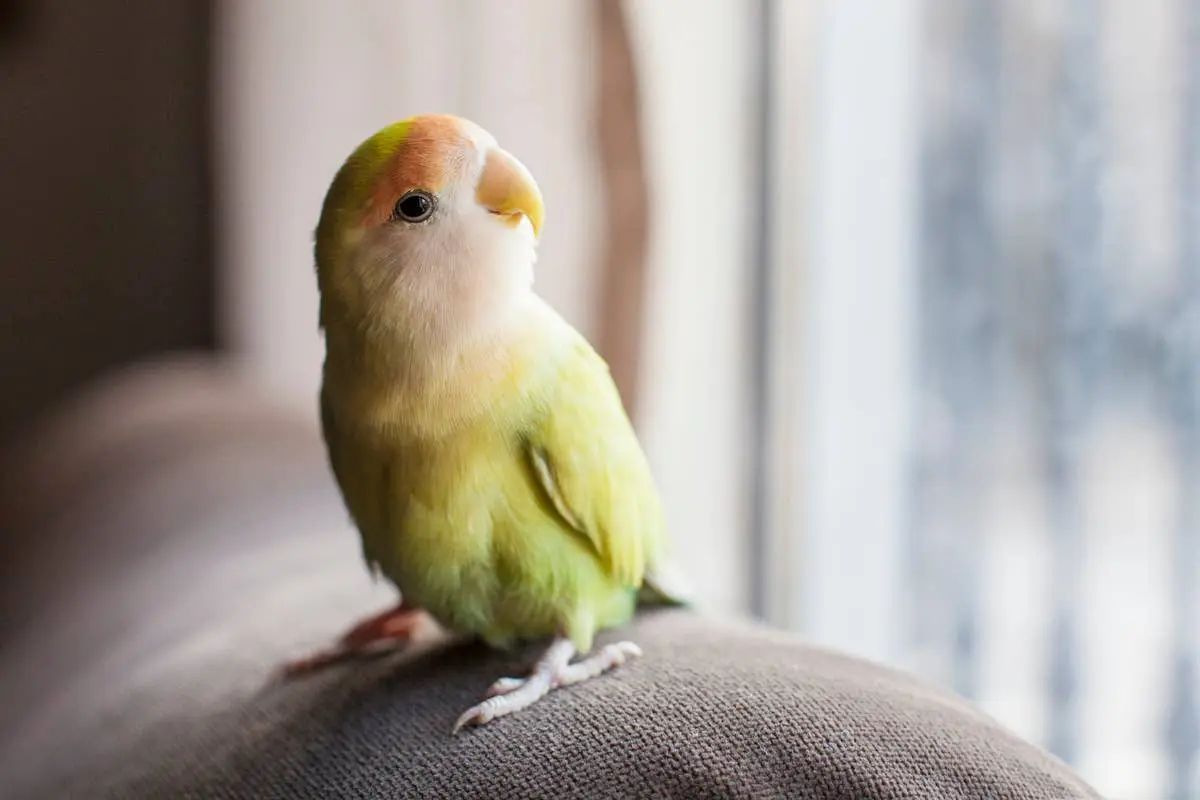
5. Lovebird: Small but Full of Personality
Lovebirds are tiny parrots with a surprisingly strong personality. They are playful, inquisitive, and affectionate when properly socialized, but they can also become territorial or nippy. VCA notes that they can be energetic and that frightened or threatened birds may show aggressive behavior.
That means they are not automatically the easiest birds for every first-time owner. A single, well-socialized lovebird may bond closely with its human family, while a pair may focus more strongly on each other.
Lovebirds can be friendly birds that make good pets, but beginners should be prepared for their energy, social needs, chewing, and occasional boundary-testing.
What Are the Best Talking Birds for Beginners?
If talking is your priority, your options change. Budgies can learn words and phrases, while cockatiels are better known for whistles with some talking ability. Not every bird will speak, and training takes patience.
Among the best talking birds for beginners, the budgie is especially practical because of its small size and ability to imitate sounds. VCA notes that budgies can develop substantial vocabularies, although talking ability varies between individual birds.
Larger parrots can have impressive speech abilities, but they may bring greater demands for space, enrichment, noise management, and long-term commitment. “Talking” does not automatically mean “easy.”
How Do You Choose the Right Pet Bird?
The best bird pets depend on what you actually want from the relationship.
Choose a budgie if you want a small, active, social bird. Consider a cockatiel if you want a gentle companion with strong whistling ability. A canary may suit someone who enjoys song and observation. A dove can work for someone seeking calmer companionship. A lovebird may suit an owner ready for a more energetic and interactive personality.
Before choosing, also research the bird’s cage requirements. VCA recommends larger housing dimensions for cockatiels, lovebirds, and parrotlets than for budgies, finches, and canaries. This is an important reminder that the bird’s body size is not the only factor in housing decisions.
Real-World Case Study: Choosing a Budgie
A useful real-world example comes from veterinary guidance on selecting a new budgie. Rather than focusing only on appearance or talking ability, VCA recommends looking for a lively, alert bird that is not easily frightened. It also notes that young birds may be easier to tame and adapt to new environments, while hand-raised birds may already have more experience interacting with people.
Imagine applying that guidance as a first-time owner: you have limited space, want an interactive companion, and have enough time for daily training and enrichment. A budgie may fit those circumstances better than immediately choosing a much larger parrot.
This illustrates why choosing the best bird pets should begin with lifestyle compatibility, not popularity alone. After bringing a new bird home, veterinary examination by a professional experienced with birds is also recommended.
What Should Beginners Know Before Getting a Bird?
Even the common pet birds to take care of require daily responsibility. Before bringing one home:
- Prepare the cage before arrival.
- Research species-appropriate nutrition.
- Provide safe toys and enrichment.
- Give the bird time to settle into its new environment.
- Learn gentle handling and positive training.
- Keep the bird away from household hazards.
- Arrange veterinary care with an avian-experienced veterinarian.
- Plan for the bird’s long-term needs.
Hand-training should also be gradual. VCA recommends starting with short sessions and using positive reinforcement rather than forcing interaction.
Final Thoughts
The best bird pets for beginners are those that match your home, schedule, experience, and expectations. A budgie may appeal to someone wanting a small interactive bird, while a cockatiel can suit someone seeking gentle companionship. Canaries, doves, and lovebirds each offer different experiences.
Rather than asking only which species is most popular, ask which bird’s personality, space requirements, noise level, social needs, and care routine fit your life. That approach can help you choose from the best bird pets more thoughtfully and build a healthier, more rewarding relationship with your new feathered companion.
FAQs About Best Bird Pets
How long do pet birds usually live?
Lifespan varies by species, with some small birds living around 5–15 years and others living much longer.
What should I feed a pet bird?
A pet bird needs a species-appropriate diet, usually including quality pellets, fresh foods, and clean drinking water.
How can I tell if a bird is healthy?
Look for bright, alert behavior, clean feathers, normal activity, clear eyes, and steady eating and drinking habits.
Can pet birds be left alone during the day?
Some birds tolerate short periods alone, but they still need daily social interaction, enrichment, exercise, and care.
How do I make a new pet bird feel comfortable?
Give your bird a quiet, safe space, maintain a consistent routine, and allow it to adjust before introducing extensive handling.
What are the most common pet birds?
Budgies, cockatiels, canaries, lovebirds, doves, and conures are among the most popular Common Pet Birds.

Patrick Bravo takes readers on a heartwarming journey through the world of pet adoption. He champions shelter animals, shares inspiring rescue stories, and encourages families to open their hearts and homes to pets in need.