If you notice a round patch of missing fur on your dog, flaky skin, or a small red lesion, it is easy to worry about what caused it. One possibility is ringworm in dogs can develop after exposure to certain dermatophyte fungi. Despite its name, ringworm is not a worm at all. It is a superficial fungal infection that can affect the skin and hair.
The good news is that ringworm is usually manageable when it is identified and treated appropriately. However, because it can spread to other animals and people, recognizing the signs early is important. In this guide, we will look at what causes ringworm in dogs, how it spreads, what it looks like, how veterinarians diagnose it, and the steps commonly used to treat and prevent it.
Content
What Is Ringworm in Dogs?
Ringworm in dogs is a fungal infection of the skin, hair, and sometimes nails. The organisms responsible belong mainly to groups of fungi called dermatophytes. They feed on keratin, a protein found in the outer layers of skin and hair.
One reason ringworm in dogs can be difficult to identify at home is that its appearance can vary. Some dogs develop obvious circular areas of hair loss, while others may have scaling, crusting, redness, or only mild irritation. Itching can also vary from dog to dog.
The name “ringworm” comes from the ring-shaped appearance that some infections produce. However, not every affected dog develops a perfect ring.
What Causes Ringworm in Dogs?
What causes ringworm in dogs? Usually, infection occurs after a dog comes into contact with fungal spores. These spores can be present on infected animals, contaminated bedding, grooming equipment, furniture, or other surfaces.
A dog may also be more likely to develop an infection when the skin barrier is damaged or when it is exposed to a large amount of fungal material. Puppies, older dogs, and animals living in crowded environments may require particular attention.
It is also important to remember that many different skin conditions can look similar. Allergies, mites, bacterial infections, and other fungal problems can cause itching, scaling, or hair loss. That is why simply looking at a bald patch is not enough to confirm ringworm in dogs have a fungal infection.
How Do Dogs Get Ringworm?
How do dogs get ringworm? The most common route is contact with infected animals or contaminated materials.
Possible sources include:
- Direct contact with an infected dog or cat
- Shared bedding and blankets
- Contaminated brushes and grooming tools
- Kennels, crates, or other shared areas
- Fungal spores left on household surfaces
- Contact with contaminated hair or skin debris
This is particularly important in multi-pet households. If one animal has a confirmed infection, other pets may need to be evaluated as well.
Because ringworm can pass between animals and people, good hygiene is an important part of managing an infection.
What Does Ringworm Look Like on a Dog?
What does ringworm look like on a dog? Common signs include patches of hair loss, scaling, crusting, redness, and broken hairs. Some lesions may appear circular, but the shape is not always obvious.
You may notice:
- Small bald patches
- Dry or flaky skin
- Red or irritated areas
- Crusts or scales
- Broken hairs
- Mild to moderate itching
- Changes around the nails in some cases
A dog can show unusual behaviors or physical changes for many different reasons, so it is important not to connect unrelated symptoms automatically. For example, Dog Eating Grass is often discussed as a separate digestive or behavioral concern and is not considered a typical sign of ringworm. If your dog has both unusual behavior and skin changes, each issue should be evaluated based on its own symptoms.
How Is Ringworm Diagnosed in Dogs?
Veterinarians may use several methods to investigate a suspected fungal infection. These can include examining hairs and skin material under a microscope, fungal culture, PCR testing, and, in some situations, a Wood’s lamp examination. No single test is considered a perfect diagnostic method for every case.
This matters because ringworm dogs have symptoms that can overlap with other skin disorders. A proper diagnosis helps the veterinarian choose the appropriate treatment instead of treating the wrong condition.
When visiting the veterinarian, it can also help to explain when the problem started, whether it is spreading, whether other pets have similar symptoms, and whether your dog has recently stayed somewhere with other animals.
How to Treat Ringworm in Dogs
How to treat ringworm in dogs depends on the extent of infection and your veterinarian’s assessment. Treatment commonly involves both managing the infection on the dog’s coat and eliminating active infection within affected tissues.
Topical Treatment
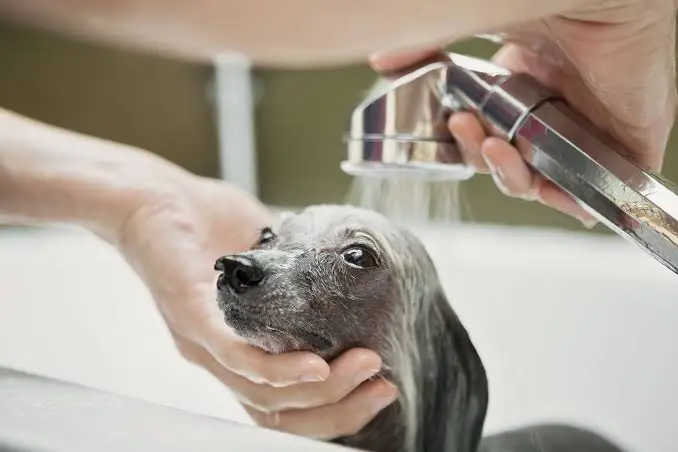
Topical antifungal products may be used to reduce fungal material on the hair coat and skin. Depending on the case, a veterinarian may recommend a medicated rinse, shampoo, cream, or another veterinary-approved product.
Topical treatment is important because infectious spores can remain on the hair coat and contribute to environmental contamination.
Oral Antifungal Treatment
Some dogs require systemic antifungal medication. Veterinarians may choose medications such as itraconazole or terbinafine depending on the individual animal and clinical situation.
Never give your dog a human antifungal medicine without veterinary guidance. The appropriate drug, dose, duration, and monitoring depend on the dog’s circumstances.
Cleaning the Environment
Treatment should not focus only on the dog. Shed hairs and fungal spores can contaminate the surrounding environment.
Wash bedding and towels regularly, remove loose hair and debris, and thoroughly clean areas where your dog spends time. Veterinary guidance can help you choose appropriate disinfectants and cleaning methods.
Real-Life Case Example: Why Diagnosis Matters
Consider a common household situation: a young dog develops a small bald patch near its ear. The owner assumes it is an insect bite and applies a general skin product. A few days later, another patch appears.
At this point, the sensible approach is veterinary testing rather than repeatedly changing home treatments. If testing confirms dermatophytosis, the veterinarian can establish an appropriate antifungal plan and advise the family about cleaning and limiting exposure to other pets.
This example is illustrative rather than a report of a specific patient. It reflects an important practical lesson: ringworm dogs may initially show only a small, easy-to-miss skin change, while delaying confirmation can allow contamination and transmission to continue.
Is Ringworm in Dogs Contagious?
Yes. Is ringworm in dogs contagious? It can spread to susceptible animals and people through direct contact or contaminated materials. This is one reason suspected cases should be handled carefully.
If your dog has confirmed ringworm, wash your hands after handling the animal, clean frequently used areas, wash bedding, and follow your veterinarian’s recommendations regarding contact with other pets.
People in the household who develop suspicious skin lesions should contact a healthcare professional.
How Can You Prevent Ringworm in Dogs?
Preventing every exposure is difficult because fungal spores can survive in the environment. However, sensible hygiene can reduce the opportunity for transmission.
Helpful measures include:
- Keep grooming tools clean.
- Wash pet bedding regularly.
- Vacuum areas where your dog rests.
- Avoid unnecessary contact with animals known to have ringworm.
- Have suspicious skin lesions checked promptly.
- Follow the complete veterinary treatment plan if infection is confirmed.
- Ask your veterinarian whether other household pets should be examined.
If you are managing ringworm dogs in a multi-pet home, environmental cleaning becomes especially important because untreated contamination can contribute to continued exposure.
How Long Does Ringworm Last in Dogs?
The recovery period varies. Veterinary references report that dermatophytosis can take several weeks to resolve, and treatment may continue until both clinical improvement and appropriate testing indicate that the infection has cleared. Merck Veterinary Manual notes that resolution can take around 6–12 weeks, although individual cases vary.
Do not stop treatment simply because the skin looks better. Your veterinarian may recommend follow-up testing to determine whether the infection has truly cleared.
When Should You See a Veterinarian?
Arrange a veterinary examination if your dog develops unexplained hair loss, persistent scaling, crusting, circular lesions, or skin changes that continue to spread.
Prompt attention is particularly important if:
- Multiple areas are affected.
- Another pet develops similar signs.
- Someone in the household develops a suspicious skin lesion.
- Your dog is a puppy or otherwise vulnerable.
- The skin problem is getting worse despite home care.
Early veterinary assessment can help distinguish ringworm from other causes of skin disease and guide the appropriate treatment.
Final Verdict
Ringworm dogs can develop is a treatable fungal skin infection, but it should not be confused with a worm or diagnosed solely from the appearance of a bald patch. Hair loss, scaling, redness, and crusting can have several causes.
If you suspect an infection, veterinary testing is the safest starting point. Once confirmed, treatment may involve topical and systemic antifungal therapy along with careful environmental cleaning. With consistent care and follow-up, most uncomplicated cases can be successfully managed.
FAQs
Can humans catch ringworm from dogs?
Yes. Ringworm can spread from infected animals to people through direct contact or contaminated materials.
Can ringworm in dogs go away on its own?
Some infections may resolve naturally, but veterinary assessment helps reduce transmission and determine whether treatment is appropriate.
What does ringworm look like on a dog?
It may cause hair loss, scaling, redness, crusting, or broken hairs, sometimes forming circular lesions.
How long does ringworm last in dogs?
Recovery varies, but treatment and clearance can take several weeks and sometimes longer.
How can I clean my home after dog ringworm?
Remove hair and debris, wash bedding, clean frequently used surfaces, and follow your veterinarian’s recommended disinfection routine.

Patrick Bravo takes readers on a heartwarming journey through the world of pet adoption. He champions shelter animals, shares inspiring rescue stories, and encourages families to open their hearts and homes to pets in need.