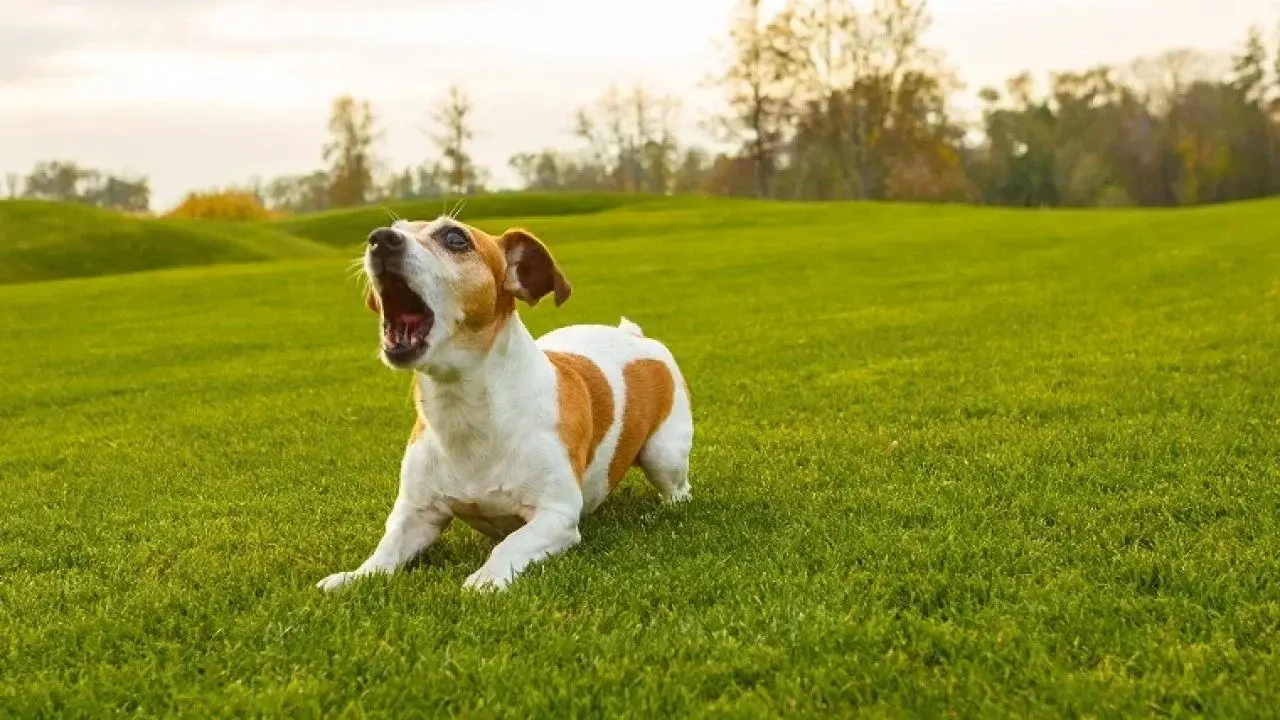
If you have ever watched your dog stop during a walk, lower its head, and start munching on the lawn, you may have wondered what is going on. Dog eating grass is a surprisingly common behavior, and it can leave many pet owners asking whether their dog is hungry, sick, bored, or simply enjoying the taste.
The good news is that occasional grass eating is usually not a reason to panic. Veterinary sources note that many healthy dogs eat grass without showing signs of illness, and research does not strongly support the popular belief that dogs generally eat grass specifically to make themselves vomit.
Still, the situation deserves a closer look when the behavior becomes sudden, frequent, or is accompanied by vomiting, diarrhea, appetite changes, lethargy, or other unusual symptoms.
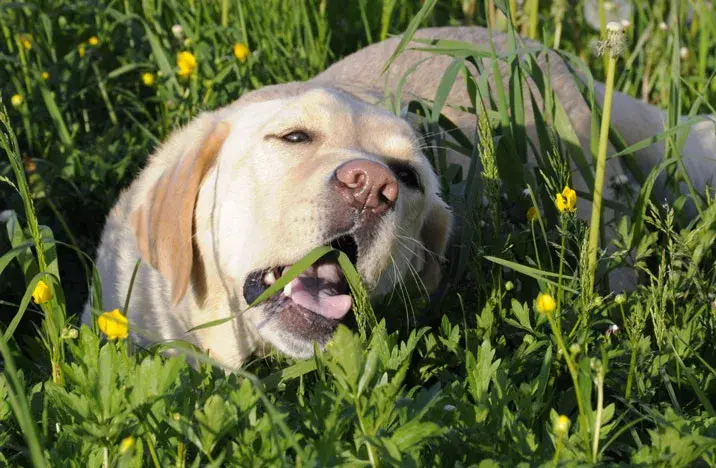
Content
If you have ever watched your dog stop during a walk, lower its head, and start munching on the lawn, you may have wondered what is going on. Dog eating grass is a surprisingly common behavior, and it can leave many pet owners asking whether their dog is hungry, sick, bored, or simply enjoying the taste.
The good news is that occasional grass eating is usually not a reason to panic. Veterinary sources note that many healthy dogs eat grass without showing signs of illness. This grass-eating behavior can be part of normal canine exploration, especially when a dog enjoys the smell, texture, or taste of fresh plants.
Is It Normal for Dogs to Eat Grass?
Yes, occasional dog eating grass can be normal canine behavior. Some dogs casually nibble a few blades while exploring the yard, while others show more interest in grazing during walks.
The exact reason is not always known. Experts have suggested several possibilities, including instinct, curiosity, hunger, fiber-seeking behavior, boredom, and simply enjoying the taste or texture.
If your dog occasionally nibbles clean, untreated grass and otherwise eats, plays, drinks, and behaves normally, there may not be a serious problem. The important thing is to look at the whole pattern rather than eating grass by itself.
Why Is My Dog Eating Grass?
There is no single explanation for why your dog is eating grass. Different dogs may develop a grass-eating behavior for different reasons.
Some dogs simply enjoy the taste or texture of grass. Others may develop a habit of grazing when they are bored, exploring their surroundings, or looking for additional roughage.
How Can I Stop My Dog From Eating Grass?
If you decide that dog eating grass needs to be reduced, focus on management rather than punishment.
First, observe your dog’s grazing habit. Does it happen mainly during walks, after meals, when your dog is bored, or when your pet is left alone outside? Identifying the pattern can help you address the underlying reason instead of simply preventing this behavior.
Positive redirection, additional exercise, interactive toys, and appropriate mental enrichment can all provide better alternatives to repeated grazing.
Should I Stop My Dog From Eating Grass?
If your dog occasionally nibbles clean, untreated grass and has no signs of illness, you may not need to stop every bite. However, it makes sense to discourage eating grass when you cannot confirm that the area is safe, when your dog is consuming excessive amounts, or when this behavior occurs alongside symptoms of illness.
The goal is not necessarily to eliminate every blade of grass from your dog’s life. Instead, focus on understanding the grass-eating behavior, identifying triggers, and preventing avoidable risks.
What Does Grass-Eating Behavior Tell You About Your Dog?
A dog’s grass-eating behavior can sometimes be difficult to interpret because the same habit may have different causes. One dog may casually nibble grass because it enjoys the texture, while another may spend several minutes grazing because it has developed a routine.
Pay attention to what happens before and after your dog starts eating grass. Does your dog begin grazing immediately after leaving the house? Does it happen after meals? Does your dog seem restless, bored, or unusually interested in plants?
These details can help you understand whether this behavior is simply part of your dog’s normal routine or whether something has recently changed.
Is Grazing a Sign of Hunger?
Sometimes owners assume that eating grass means their dog is hungry. However, grass eating does not automatically indicate that a dog needs more food.
Dogs may explore plants even after eating a complete meal. If your dog has a healthy body condition, normal appetite, and regular feeding schedule, occasional grazing is not enough evidence that it needs additional food.
Instead of increasing meal portions because of this behavior, look at your dog’s overall diet and body condition. If you are concerned about whether your dog is receiving enough nutrients, discuss its food and feeding schedule with a veterinarian.
Could Boredom Cause Your Dog to Graze?
Yes, boredom can contribute to repetitive behaviors. Dogs naturally need opportunities to walk, sniff, explore, play, and solve simple problems.
A dog that spends a lot of time in the same yard without much stimulation may discover that eating grass provides something interesting to do. Over time, your dog’s grazing habit can become part of its normal outdoor routine.
Try giving your dog more appropriate activities, such as:
- Short obedience-training sessions
- Interactive toys
- Sniffing games
- Food puzzles
- Fetch
- Longer walks
- Supervised exploration
- Safe chew toys
The goal is not simply to prevent this behavior but to give your dog another rewarding activity.
How to Tell Whether Your Dog’s Grass Eating Is Becoming Excessive
Occasional grazing is different from repeatedly searching for grass and consuming large amounts.
Consider keeping a simple record for several days. Write down when your dog starts eating grass, how much it consumes, and whether anything happens afterward.
Look for patterns such as:
- Grass eating immediately after meals
- Grazing mainly during walks
- Repeated grass eating when alone outdoors
- Vomiting after consuming grass
- Changes in stool
- Reduced appetite
- Increased thirst
- Low energy
- Restlessness or discomfort
A pattern does not necessarily tell you the exact cause, but it gives your veterinarian useful information if an examination becomes necessary.
How the Digestive System in Dog May Relate to Grass Eating
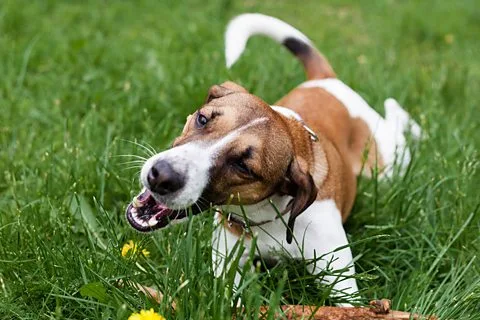
Understanding the digestive system in dog can help explain why some dogs show interest in grass. A dog’s digestive tract processes food and absorbs nutrients, while the stomach and intestines work together to support normal digestion and bowel movements.
Although grass contains plant fiber, dogs cannot digest plant material as efficiently as herbivores. Therefore, occasional grazing should not be viewed as a replacement for a complete and balanced diet.
If your dog regularly experiences vomiting, diarrhea, constipation, bloating, or appetite changes along with eating grass, the issue may involve its digestive health rather than the grass itself. In such cases, a veterinarian can assess the dog’s diet and overall digestive function.
Final Thoughts:Dog Eating Grass
For many dogs, dog eating grass is simply a normal behavior linked to curiosity, instinct, taste, or routine. Occasional grazing does not necessarily mean your dog is sick.
The bigger clues are frequency, intensity, and accompanying symptoms. A dog that casually nibbles grass and remains happy and healthy is very different from one that suddenly consumes large quantities while vomiting, losing appetite, or acting unusually tired.
If you are concerned about your dog’s grazing habit, start by observing when and where it happens. Keep the lawn free from potentially harmful chemicals, provide appropriate enrichment, and speak with your veterinarian when this behavior changes or other symptoms appear.
FAQs About Dog Eating Grass
Why does my dog eat grass?
Dogs may eat grass because of instinct, curiosity, taste, boredom, hunger, or possible digestive and dietary factors.
Is it normal for dogs to eat grass?
Yes. Occasional grass eating is common in otherwise healthy dogs.
Is eating grass bad for dogs?
Usually not in small amounts, but treated or contaminated grass can expose dogs to chemicals, parasites, or other hazards.
Why is my dog suddenly eating grass?
A sudden change may relate to diet, boredom, stress, or digestive discomfort and should be monitored for additional symptoms.
When should I worry about my dog eating grass?
Seek veterinary advice when grass eating is excessive or occurs with repeated vomiting, diarrhea, lethargy, appetite loss, pain, or weight loss.
Can puppies eat grass?
Puppies may nibble grass, but supervise them closely and prevent access to treated lawns or contaminated areas.
Does grass help a dog’s digestion?
Grass may add roughage, but it should not replace a complete, balanced diet or veterinary advice.

Patrick Bravo takes readers on a heartwarming journey through the world of pet adoption. He champions shelter animals, shares inspiring rescue stories, and encourages families to open their hearts and homes to pets in need.