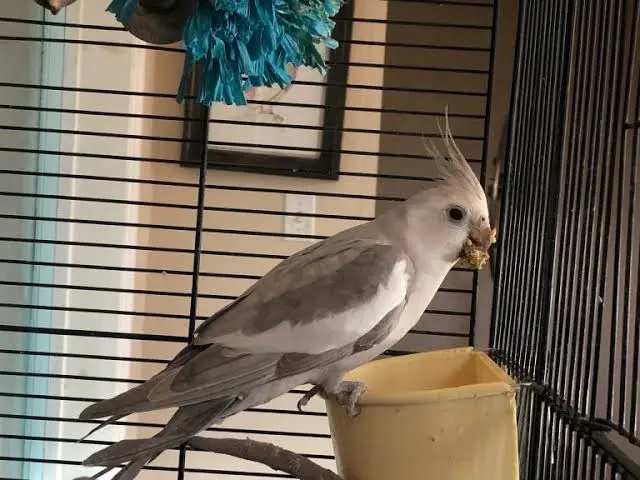
Have you ever heard a parrot copy a ringtone, whistle, or a word and wondered how it learned it? Parrots are natural sound imitators, but teaching human speech takes patience, trust, and consistent practice. The good news is that training can become a fun part of your daily routine.
If you are wondering how to train a parrot to talk, start by thinking beyond simply repeating words. Your bird needs to feel safe around you, enjoy your attention, and understand that trying a sound brings something positive.
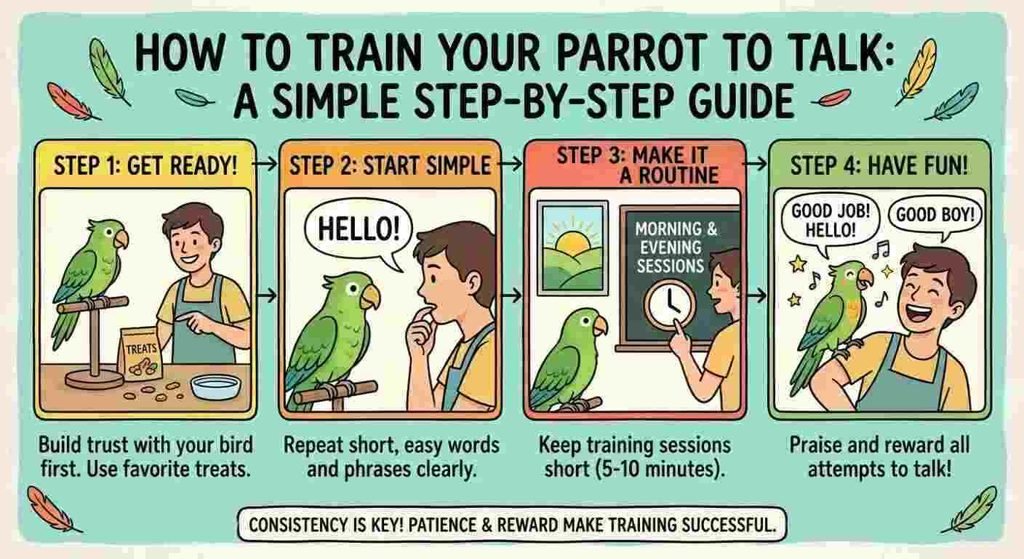
Content
Can Every Parrot Learn to Talk?
Many parrots can imitate sounds, but individual ability varies. Species, age, personality, socialization, and the bird’s interest in vocalizing can all affect progress. A young, confident bird may learn quickly, while another parrot may prefer whistles or household sounds.
That means you should never choose or judge a parrot only because you expect it to talk. Some birds become excellent mimics, while others communicate through body language, calls, and sounds without developing a large vocabulary.
For example, budgies, African greys parrots, Amazon parrots, cockatiels, and some other parrots are often recognized for vocal ability, but every individual bird is different.
How to Train a Parrot to Talk
The most effective approach is calm, positive, and repetitive. When I recommend parrot speech training, I suggest making the bird’s comfort the first priority rather than rushing toward a first word.
1. Build Trust Before Formal Training
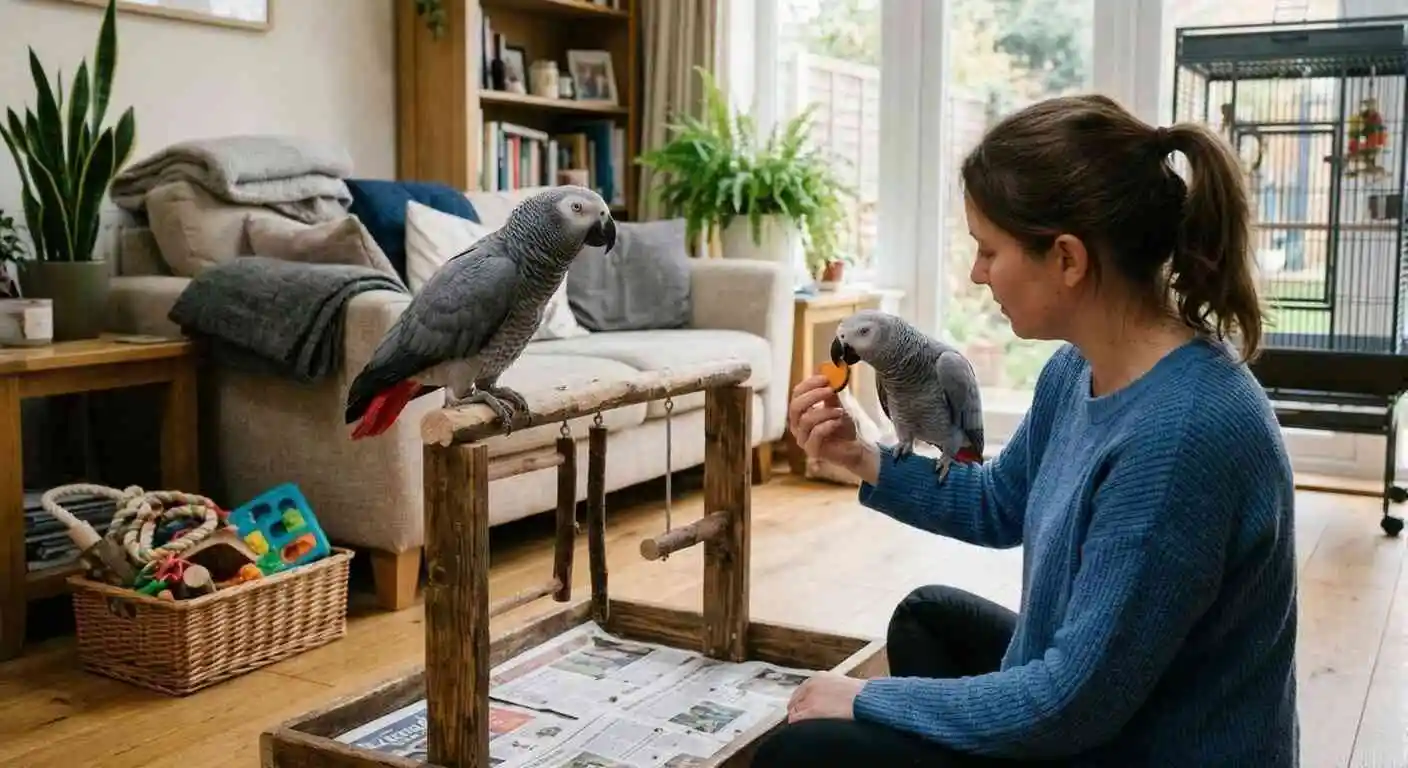
Before you teach words, spend time simply being around your parrot. Speak gently, offer appropriate treats, play together, and let the bird approach you at its own pace. If your parrot is nervous, talking from beside the cage can be a useful starting point.
A relaxed bird is more likely to pay attention. Positive reinforcement for parrots can also make training feel like a game instead of a demand.
2. Choose One or Two Simple Words
If you are learning how to train a parrot to talk, resist the temptation to teach ten phrases at once. Pick one or two short, clear words that you naturally use every day.
Good first choices might include “hello,” “bye,” the bird’s name, or a simple whistle. Choose words that are easy for you to repeat with the same pronunciation.
3. Repeat the Phrase Consistently
Repetition is the heart of effective parrot training techniques. Say your chosen word clearly several times, then pause and give your parrot a chance to respond. If it makes a sound that resembles the target word, respond with praise.
Short sessions are usually easier than exhausting your bird. Try several brief practices throughout the day, especially when your parrot is alert and interested.
This is also how to encourage a parrot to talk without creating pressure. Your goal is to make vocalizing rewarding, not frustrating.
4. Reward Attempts, Not Just Perfect Words
Your parrot may not pronounce a word correctly at first. You might hear a squeak, whistle, partial syllable, or completely unexpected sound. If it resembles your target even slightly, offer praise or a small suitable reward.
This teaches the bird that experimenting with sounds gets a positive response. Over time, those rough attempts may become clearer.
5. Practice During Everyday Activities
Formal sessions are helpful, but everyday conversation can be just as valuable. Say your target phrase when you enter the room, prepare food, change water, or begin playtime.
For example, if you want to teach “hello,” use it whenever you greet your bird. This gives the word a consistent context and helps your parrot connect the sound with a familiar event.
If you are wondering how to train a parrot to talk naturally, this everyday approach is one of the easiest habits to maintain.
6. Keep the Training Area Quiet
Background noise can make learning harder. Turn off loud television or music during focused practice and choose a calm area where your bird can pay attention.
You can still talk to your parrot during normal household activity, but dedicated sessions should give it a clear opportunity to listen and respond.
What Words Should I Teach My Parrot First?
If you are asking what words should I teach my parrot first, start with short words that have a clear sound pattern. Your parrot’s name, “hello,” “hi,” “bye,” or a favorite person’s name can be practical choices.
Avoid changing the target phrase every few days. Give your bird enough time to become familiar with one sound before introducing another. Once it starts using a word reliably, you can gradually add a second phrase.
How Long Does It Take to Train a Parrot to Talk?
There is no fixed timetable. Some parrots may begin copying sounds relatively quickly, while others need weeks or months of consistent interaction. Age and individual personality can make a noticeable difference, but patience matters more than trying to meet a deadline.
When people ask how to train a parrot to talk, I usually emphasize consistency over long sessions. Five to fifteen minutes of focused practice, repeated regularly, can be more manageable than one long session that leaves the bird bored.
Real-Life Case Study: A Slow Start That Paid Off
Consider a common situation with a young, hand-raised parrot named Milo. His owner expected him to say “hello” within a few weeks and became discouraged when he only produced whistles.
Instead of constantly changing the training word, the owner kept using “hello” when entering the room, rewarded attempts, and spent extra time talking to Milo during feeding and play. After several weeks, Milo began producing a rough version of the word. It was not perfectly clear, but the timing was consistent enough that the family recognized it.
The important lesson was not the speed of the result. Milo learned because the word was repeated in a predictable context and vocal attempts were met with positive attention. This is a practical example of why how to train a parrot to talk is really a lesson in patience and communication.
Common Mistakes to Avoid
When learning how to train a parrot to talk, avoid these common mistakes:
- Changing words too frequently.
- Training when the bird is tired, frightened, or distracted.
- Punishing unwanted sounds.
- Expecting perfect pronunciation immediately.
- Continuing a session after your parrot loses interest.
- Comparing your bird’s progress with another parrot.
Never force your bird to interact. A strong relationship is more important than a vocabulary list.
What If My Parrot Is Not Talking?
If you are thinking, why is my parrot not talking, remember that silence does not automatically mean training has failed. Your bird may need more time, prefer whistles, or simply have a different vocal personality.
Continue providing enrichment, conversation, play, and positive interaction. Even if your parrot never speaks human words, it can still develop a rich way of communicating with you.
Conclusion:How to Train a Parrot to Talk
Learning how to train a parrot to talk should be an enjoyable bonding experience rather than a race. Start with trust, choose simple words, repeat them consistently, and reward genuine attempts. Keep sessions short and positive, and allow your bird to progress at its own pace.
The biggest success is not hearing a perfect word. It is building a relationship in which your parrot feels comfortable communicating with you.
FAQs How to Train a Parrot to Talk
Can older parrots learn to talk?
Yes. Older parrots can learn new sounds, although individual learning speed varies. Consistent, positive practice is more important than age alone.
What is the easiest way to teach a parrot to talk?
Start with one short word, repeat it consistently, and reward vocal attempts with praise or a suitable treat.
How often should you train a parrot to talk?
Several short sessions throughout the day can work well. Stop when your bird loses interest rather than forcing a longer session.
Can parrots understand the words they say?
Some parrots may associate words with people, actions, or situations, but their understanding varies by individual bird.
Should I use treats when teaching my parrot new words?
Yes. Small, suitable treats can reinforce desired vocal attempts, but praise and attention can also be effective rewards.
Do parrots learn better from one person?
Not necessarily. Consistent practice from trusted family members can help, especially when everyone uses the same words and pronunciation.

Patrick Bravo takes readers on a heartwarming journey through the world of pet adoption. He champions shelter animals, shares inspiring rescue stories, and encourages families to open their hearts and homes to pets in need.