If you have ever watched your cockatiel beg for a bite from your plate, you may wonder, what foods can cockatiels eat? The answer is broader than seeds, but not every food that looks harmless is suitable for a small parrot.
A healthy cockatiel diet should provide balanced nutrition while giving your bird safe variety, fresh produce, and clean water. Understanding the right foods can help prevent nutritional problems and make mealtimes more interesting for your feathered companion.
Content
What Foods Can Cockatiels Eat?
So, what foods can cockatiels eat on a regular basis? A pet cockatiel can generally eat a quality formulated pellet as the nutritional foundation, along with appropriate vegetables, limited fruit, and small amounts of suitable seeds or treats.
Veterinary guidance recommends a balanced, varied diet rather than relying exclusively on seeds. Formulated pellets are designed to provide essential nutrients, while fresh foods can add variety and enrichment.
A simple way to organize meals is:
- Pellets: The nutritional foundation
- Vegetables and leafy greens: Nutritious fresh foods
- Fruit: A smaller portion because of natural sugar
- Seeds and treats: Occasional extras
- Fresh water: Available every day
This balanced approach is more useful than simply filling a bowl with one type of seed.
What Foods Can Cockatiels Eat as Part of a Healthy Diet?
When considering what foods can cockatiels eat, variety is important. Wild cockatiels naturally consume different seeds, vegetation, fruits, and other plant foods depending on seasonal availability.
That does not mean you need to recreate a wild diet at home. Instead, it shows why offering different nutritious foods can be beneficial.
What Vegetables Can Cockatiels Eat?
If you’re asking what vegetables can cockatiels eat, there are plenty of nutritious options.
Good choices include:
- Carrots
- Broccoli
- Bell peppers
- Kale
- Bok choy
- Peas
- Pumpkin
- Squash
- Sweet potato
- Zucchini
- Carrot tops
Brightly colored vegetables such as carrots, peppers, and sweet potatoes can provide valuable vitamin A-related nutrients.
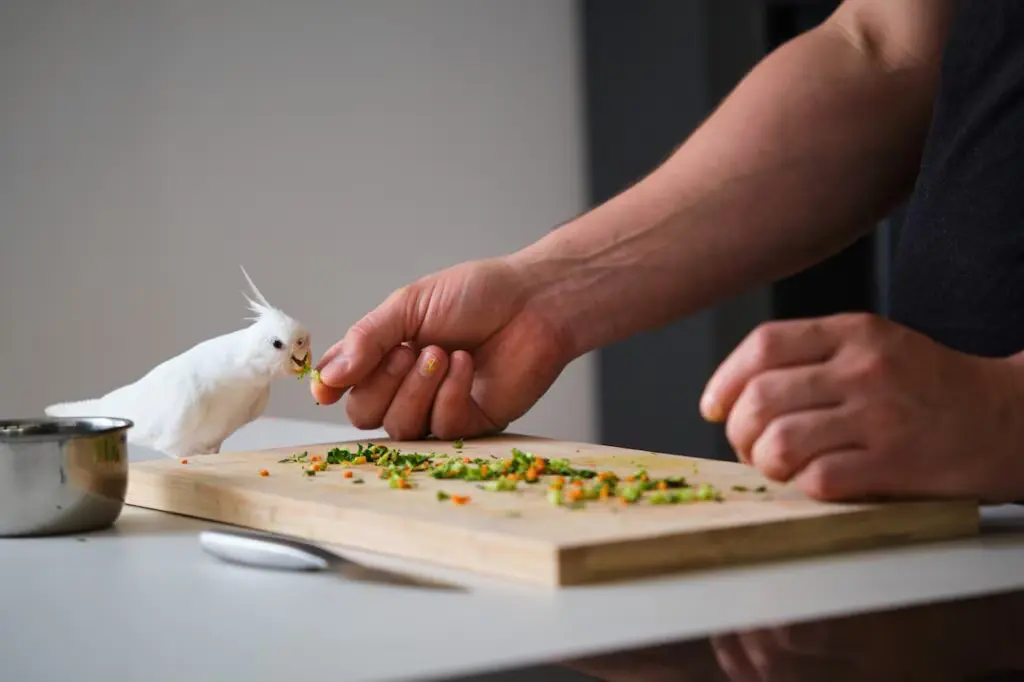
Wash vegetables thoroughly before serving and cut them into manageable pieces. I prefer rotating several vegetables instead of giving the same one every day. This encourages variety and can help prevent a picky cockatiel from becoming attached to one particular food.
What Fruits Can Cockatiels Eat?
Fruit is another common question when discussing what foods can cockatiels eat.
Suitable choices can include small portions of:
- Apple flesh
- Banana
- Blueberries
- Strawberries
- Mango
- Papaya
- Pear
- Melon
- Grapes
Fruit contains natural sugar and plenty of water, so it should remain a smaller part of the overall diet.
Always remove apple seeds and fruit pits before serving. Wash fresh produce well and remove uneaten fruit after a couple of hours, particularly in warm weather, because moist foods can spoil.
What Human Foods Can Cockatiels Eat?
Many owners also wonder what foods can cockatiels eat from the human table.
Some wholesome foods can be offered in tiny amounts, including plain cooked egg, brown rice, cooked beans, and certain plain cooked vegetables. Veterinary guidance also notes that some birds may occasionally have small amounts of lean cooked meat or fish, although these are not necessary for a normal cockatiel diet.
Preparation matters. Human food offered to a cockatiel should be plain and free from added salt, sugar, sauces, butter, and heavy seasoning.
Think of these foods as occasional additions rather than replacements for a balanced bird diet.
Can Cockatiels Eat Seeds Every Day?
Seeds can be part of what foods can cockatiels eat, but they should not become the entire diet.
Many commercial seed mixes are relatively high in fat and carbohydrates and may not provide enough vitamins, minerals, and protein. Cockatiels may also select only their favorite seeds, leaving other ingredients untouched.
Millet or another suitable seed can be useful as a training reward. However, unlimited sunflower seeds or millet may encourage selective eating.
If your cockatiel currently eats mostly seeds, make dietary changes gradually. Never suddenly remove its familiar food without ensuring that it is actually consuming the replacement diet.
What Foods Can Cockatiels Eat as Treats?
Treats should remain small and occasional. A tiny piece of fruit, a little millet, or another veterinarian-approved food can be useful during training.
For someone researching what foods can cockatiels eat, an important distinction is that a food can be safe without being suitable in unlimited quantities.
I find that treats work best when they remain special. When a bird receives the same high-value treat throughout the day, it can quickly stop being a reward and start becoming a major part of its calorie intake.
What Foods Can Cockatiels Eat Daily?
A practical daily routine does not need to be complicated.
Start with the bird’s balanced formulated diet, provide appropriate fresh vegetables, offer a small amount of fruit, and keep seeds or treats limited. Fresh, clean water should always be available. Food and water dishes should also be cleaned regularly.
If you’re still wondering what foods can cockatiels eat every day, focus on consistency rather than creating a completely different menu each morning.
Rotating safe vegetables and occasionally changing fruit choices can provide variety while keeping feeding manageable.
Foods Cockatiels Should Avoid
Knowing what foods can cockatiels eat is only half of responsible feeding. You also need to recognize dangerous foods.
Never intentionally feed a cockatiel:
- Avocado
- Chocolate
- Alcohol
- Coffee and other caffeinated products
- Onions
- Garlic
- Highly salty foods
- Sugary processed snacks
- Chips, cookies, and similar junk foods
Avocado and onions are specifically identified as potentially toxic to birds, while chocolate, alcohol, and caffeine should also be avoided.
Fruit seeds and pits should also be handled carefully. For example, apple seeds should be removed before giving apple to your bird.
If your cockatiel accidentally consumes a potentially toxic food, contact an avian veterinarian or appropriate animal poison service promptly rather than waiting for symptoms.
How to Introduce New Foods to a Cockatiel
One of the biggest mistakes owners make is assuming that a bird hates a food after rejecting it once.
Cockatiels can be cautious about unfamiliar foods. When introducing what foods can cockatiels eat beyond their usual favorites, start with small amounts and offer new items repeatedly.
Try changing the presentation. A carrot can be grated, chopped, or offered as a larger piece for exploration. You can also place a new vegetable near a familiar food.
Veterinary guidance notes that birds may require considerable time to transition from a seed-heavy diet to pellets.
Never starve a cockatiel into accepting a new food. Monitor what the bird actually eats during any dietary change.
A Real-World Case Study: The Seed-Selective Cockatiel
A common real-world feeding problem in avian practice is the cockatiel that appears to eat well because its food bowl is always full, but actually selects only a few favorite seeds.
This illustrates an important lesson about what foods can cockatiels eat: having plenty of food available does not necessarily mean the bird is receiving balanced nutrition.
Veterinary guidance warns that seed-only diets can be nutritionally incomplete and recommends moving toward a balanced pelleted diet while providing appropriate fresh foods.
For owners facing this situation, the sensible approach is to monitor actual food consumption rather than simply measuring what goes into the bowl. If appetite, weight, energy, droppings, or general condition changes during a diet transition, consult an avian veterinarian.
Make Mealtimes More Enriching
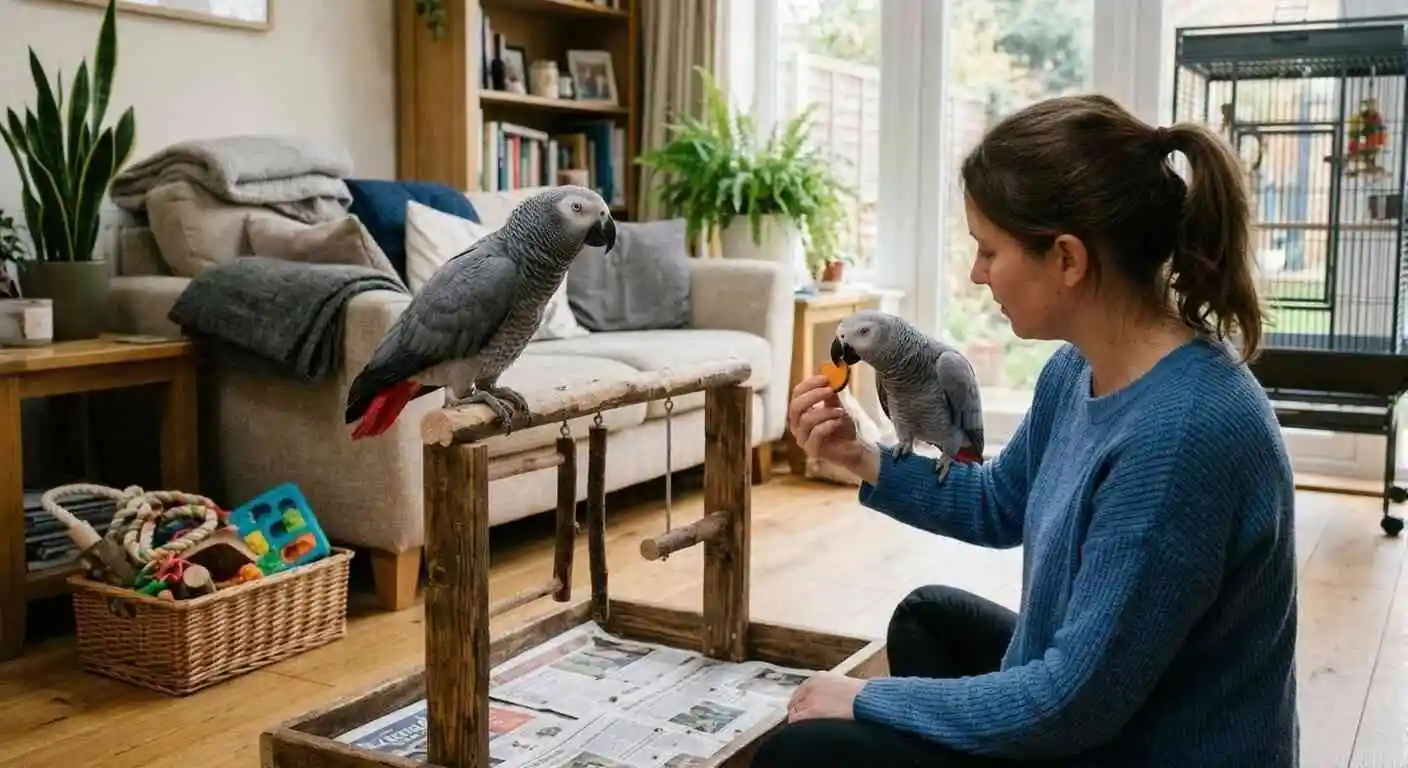
Food can provide more than nutrition. Cockatiels naturally spend time searching and foraging for food, so safe feeding activities can also provide valuable mental stimulation. Using favorite healthy treats during training can also strengthen trust between you and your bird, especially if you are learning How to Tame a Cockatiel and encourage it to feel comfortable around your hands.
You can offer vegetables in different shapes, use appropriate bird-safe foraging toys, or hide a small approved treat where your bird can safely discover it. This adds another useful dimension to what foods can cockatiels eat, because the way food is presented can encourage curiosity, movement, bonding, and natural behaviors.
Conclusion
So, what foods can cockatiels eat? The healthiest answer is not simply “seeds.” A well-planned diet combines nutritionally complete formulated food with suitable vegetables, limited fruit, occasional treats, and plenty of fresh water.
Remember that what foods can cockatiels eat safely depends on the food itself, the quantity, preparation, and your individual bird’s needs. Introduce changes gradually and avoid foods known to be toxic or nutritionally poor.
For anyone researching what foods can cockatiels eat, the simplest rule is to build meals around balanced nutrition, add fresh variety, and keep treats small. With a thoughtful feeding routine, you can make mealtimes enjoyable while supporting your cockatiel’s long-term health.
Frequently Asked Questions
What foods can cockatiels eat besides seeds?
Cockatiels can eat formulated pellets, suitable vegetables, limited fruit, and selected plain cooked foods. Seeds should not make up the entire diet.
Can cockatiels eat apples?
Yes. Apple flesh can be offered in small amounts, but wash it thoroughly and remove all seeds before serving.
Can cockatiels eat bananas?
Yes. Small pieces of banana can be offered occasionally as part of a varied diet.
What foods are toxic to cockatiels?
Avoid avocado, chocolate, alcohol, caffeine, onions, garlic, and heavily processed or salty foods.
How often should you feed a cockatiel?
Provide its balanced diet and fresh foods daily, with clean water available at all times. Monitor how much the bird actually consumes.

Patrick Bravo takes readers on a heartwarming journey through the world of pet adoption. He champions shelter animals, shares inspiring rescue stories, and encourages families to open their hearts and homes to pets in need.