If you share your home with a rabbit, you have probably heard that hay should be a major part of its daily diet. Among the different options available, timothy hay for rabbits is one of the most commonly recommended choices for healthy adult rabbits. But what makes it useful, how much should you offer, and what should you do if your rabbit refuses to eat it?
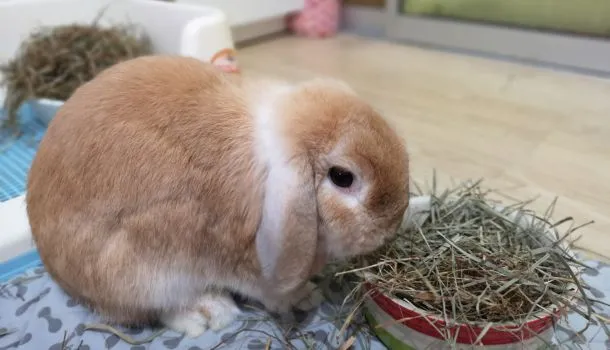
Hay is not simply a filler food. Rabbits have a specialized digestive system and continuously growing teeth, so their diet needs plenty of long, fibrous plant material. Veterinary guidance generally recommends that grass hay make up the majority of a rabbit’s diet and remain available throughout the day.
Let’s look at why this particular grass hay can be such an important part of a healthy rabbit diet.
Content
What Is Timothy Hay for Rabbits?
Timothy hay for rabbits is a dried grass hay harvested from Timothy grass. It is naturally high in fiber and is commonly used as a staple hay for adult rabbits.
Unlike richer hays such as alfalfa, Timothy is generally lower in protein and calcium, making it a practical option for many healthy adult rabbits. Veterinary sources recommend unlimited grass hay, including Timothy, for adult rabbits.
Good hay should be dry, clean, fresh-smelling, and free from visible mold or excessive dust. If it smells musty or appears spoiled, it should not be fed.
Why Is Timothy Hay Important for Rabbits?
The answer comes down to two major areas: digestion and dental health.
Rabbits need substantial amounts of fiber to keep food moving through their gastrointestinal tract. Long-stem hay encourages natural chewing and provides the type of fiber their digestive system is designed to handle.
There is also a behavioral benefit. Rabbits naturally spend considerable time grazing and chewing. Providing hay throughout the day gives them an appropriate activity that resembles this natural feeding behavior.
1. It Supports Rabbit Digestive Health
A high-fiber diet is essential for rabbit digestive health. Fiber helps support normal intestinal movement and fermentation in the hindgut.
When rabbits consume too little hay and too many concentrated foods, their diet can become disproportionately rich in carbohydrates and low in long-strand fiber. This can contribute to digestive problems.
That is why I consider hay the foundation of a rabbit’s feeding routine rather than something that should only be offered occasionally.
2. It Helps Maintain Healthy Teeth
Rabbit teeth grow continuously throughout their lives. Regular chewing of fibrous foods helps provide the natural tooth wear rabbits need.
The Royal Veterinary College notes that hay and grass are important for dental health because rabbits are designed to consume vegetation continually.
This is one reason high-fiber rabbit food should be prioritized instead of relying heavily on pellets or treats.
3. It Helps Maintain a Healthy Diet
A rabbit’s diet should not consist entirely of pellets or treats. High-quality grass hay should form the foundation, alongside appropriate fresh greens, measured pellets, and constant access to clean water.
The exact nutritional needs of a rabbit can vary according to age, growth stage, reproductive status, breed, and health.
Is Timothy Hay Good for Rabbits?
Yes, Timothy hay for rabbits is generally an excellent choice for healthy adult rabbits.
Its high fiber content and relatively moderate nutritional profile make it suitable as a staple grass hay. Veterinary recommendations commonly include Timothy, orchard grass, oat, and meadow grass as suitable options for adult rabbits.
However, “good” does not mean every rabbit must eat only Timothy. Some rabbits prefer orchard grass or another type of grass hay. Variety can also make feeding more interesting.
Can Rabbits Eat Timothy Hay Every Day?
Yes. In fact, healthy adult rabbits should have unlimited access to suitable grass hay every day.
So, timothy hay for rabbits should not be treated like an occasional snack. It should be available throughout the day and replenished when necessary.
A useful routine is to place hay in more than one convenient location, including near the litter area if appropriate. Some rabbits naturally like to nibble while using their litter box.
The important point is that fresh hay should always be available rather than giving a small measured portion once a day.
How Much Timothy Hay Should Rabbits Eat?
There is generally no need to impose a strict daily maximum on hay for a healthy adult rabbit. Veterinary guidance recommends offering unlimited high-quality grass hay.
Instead of asking, “How many grams of hay should my rabbit receive?” I find it more useful to ask whether the rabbit has constant access and is actually eating it.
Your rabbit should be able to graze throughout the day. If hay consumption suddenly decreases, pay attention. A rabbit that stops eating hay may have a dental problem, illness, dietary preference, or another underlying issue.
How to Choose Quality Timothy Hay for Rabbits
Not every bag of hay will be equally appealing to your rabbit. When choosing timothy hay for rabbits, look for:
- A fresh, pleasant grassy smell
- Mostly green or naturally greenish material
- Dry, crisp stems
- Plenty of leaves
- Minimal dust
- No mold
- No dampness
- No unusual chemical or musty odor
The University of Florida specifically recommends hay that is generally green with a fresh sweet smell and advises against brown, dusty, or moldy hay.
Freshness matters because even nutritionally appropriate hay is not useful if your rabbit refuses to eat it.
Timothy Hay vs. Other Rabbit Hays
Timothy hay for rabbits is popular, but it is not the only suitable option.
| Hay type | General use |
|---|---|
| Timothy hay | Excellent staple for many adult rabbits |
| Orchard grass | Softer alternative with a sweeter aroma |
| Meadow hay | Usually offers a mixture of grasses and plants |
| Oat hay | Good grass-hay alternative with a different texture |
| Alfalfa hay | Richer; commonly used for growing rabbits and certain life stages |
Adult rabbits generally benefit from lower-calcium grass hays, while alfalfa is richer in calcium and protein and is often reserved for young, growing, pregnant, or nursing rabbits.
What If Your Rabbit Refuses Timothy Hay?
This is something many rabbit owners experience. A rabbit may happily eat pellets or treats while completely ignoring the hay.
First, don’t assume your rabbit is simply being stubborn.
Dental disease can make chewing uncomfortable, and rabbits with dental problems may reduce their hay intake. The RSPCA recommends having a reluctant hay-eater checked by a veterinarian, particularly because dental disease can make chewing difficult.
If your rabbit is healthy, experiment with:
- Different cuts or textures of Timothy hay.
- Another grass hay such as orchard grass.
- Smaller, fresher portions replaced frequently.
- Hay placed in different feeding locations.
- Mixing two suitable grass hays.
Never make sudden, dramatic dietary changes. Rabbits can be sensitive to changes in their diet, so introduce alternatives gradually.
Real-Life Case Study: When Hay Preference Matters
Consider a common situation reported by rabbit owners: an adult rabbit eats pellets enthusiastically but leaves most of its hay untouched.
The owner reduces unnecessary treats, offers fresh hay in a clean feeder, and tries a softer grass-hay variety. The rabbit begins eating more hay. In another case, however, the rabbit continues refusing fibrous food, and a veterinary examination reveals dental disease.
The lesson is important: increasing hay variety can help with preference, but persistent refusal should never be dismissed as simple pickiness. Dental or digestive problems need professional attention.
This approach also reflects veterinary guidance that a rabbit reluctant to eat hay should be checked for underlying health problems before assuming the issue is merely taste.
Tips for Making Hay More Appealing
If your rabbit needs encouragement to eat more timothy hay for rabbits, try making hay part of everyday enrichment.
Place small amounts in different safe areas, combine appropriate grass hays, or use a hay rack that keeps it clean and accessible. You can also provide hay beside the litter box because many rabbits naturally like to eat while they eliminate.
Most importantly, don’t fill your rabbit’s diet with excessive treats simply because it refuses hay. Highly palatable foods can make hay seem less attractive by comparison.
Final Thoughts
For most healthy adult rabbits, timothy hay for rabbits is an excellent staple because it provides the long fiber needed to support digestion, natural chewing, and dental health. It should be available freely rather than treated as an occasional reward.
Remember that Timothy is only one suitable grass hay. If your rabbit prefers orchard, meadow, or oat hay, those may also be useful choices. The priority is quality, freshness, adequate fiber, and consistent consumption.
A healthy rabbit diet starts with good hay, but your rabbit’s age, health, and individual needs should always influence feeding decisions. If your rabbit suddenly eats less hay, stops eating, or shows signs of dental or digestive trouble, consult a rabbit-experienced veterinarian promptly.
FAQs About Timothy Hay for Rabbits
Can rabbits be allergic to Timothy hay?
Yes, although uncommon. Dust or mold is more often the problem than the hay itself.
Does Timothy hay expire?
It can lose freshness and quality over time. Store it in a cool, dry, well-ventilated place.
Can rabbits eat Timothy hay with flowers or herbs?
Yes, if the additions are rabbit-safe and free from pesticides, chemicals, or harmful ingredients.
Should Timothy hay be washed before feeding rabbits?
No. Washing can introduce moisture and increase spoilage. Choose clean, dry hay from a reliable source.
Can rabbits eat Timothy hay from a garden?
Only if the grass is correctly identified and grown without pesticides, herbicides, fertilizers, or contamination.

Patrick Bravo takes readers on a heartwarming journey through the world of pet adoption. He champions shelter animals, shares inspiring rescue stories, and encourages families to open their hearts and homes to pets in need.