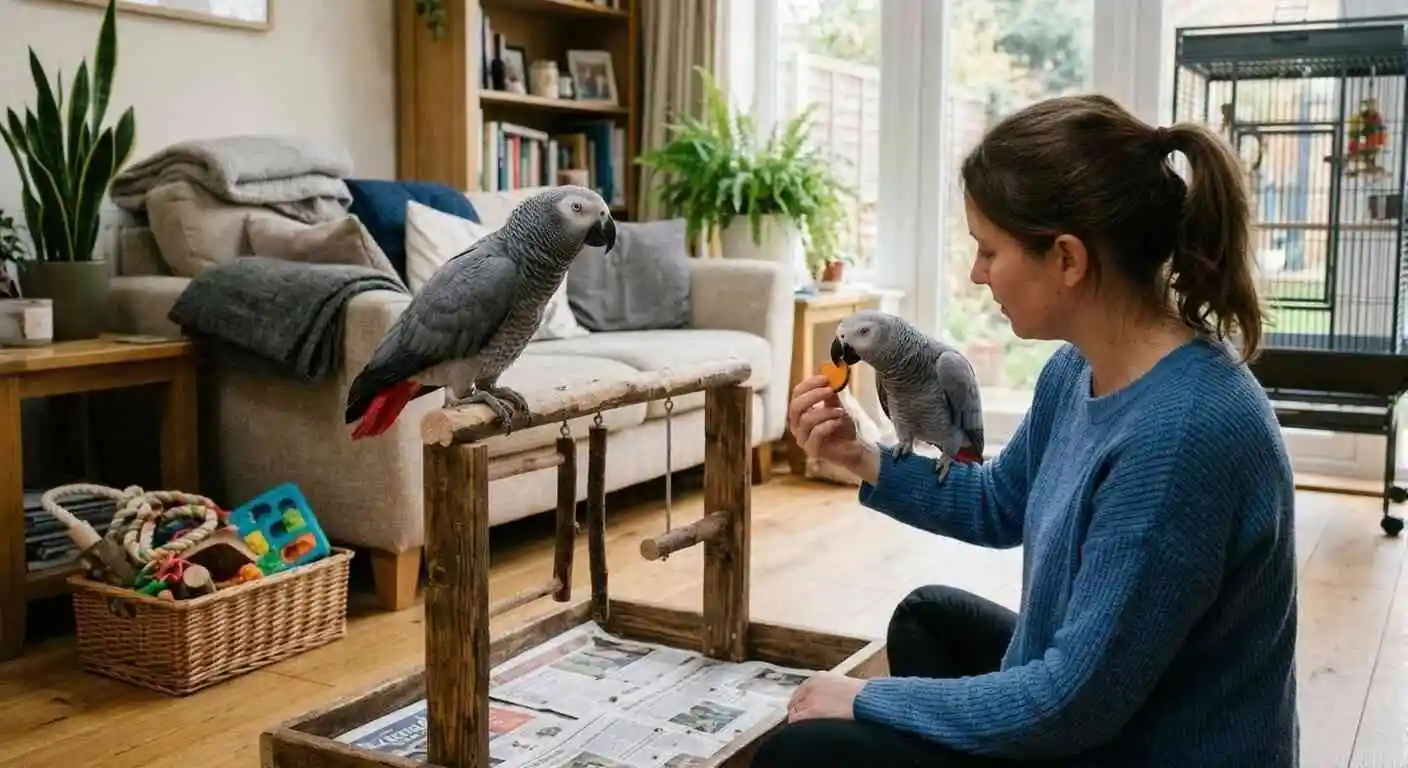
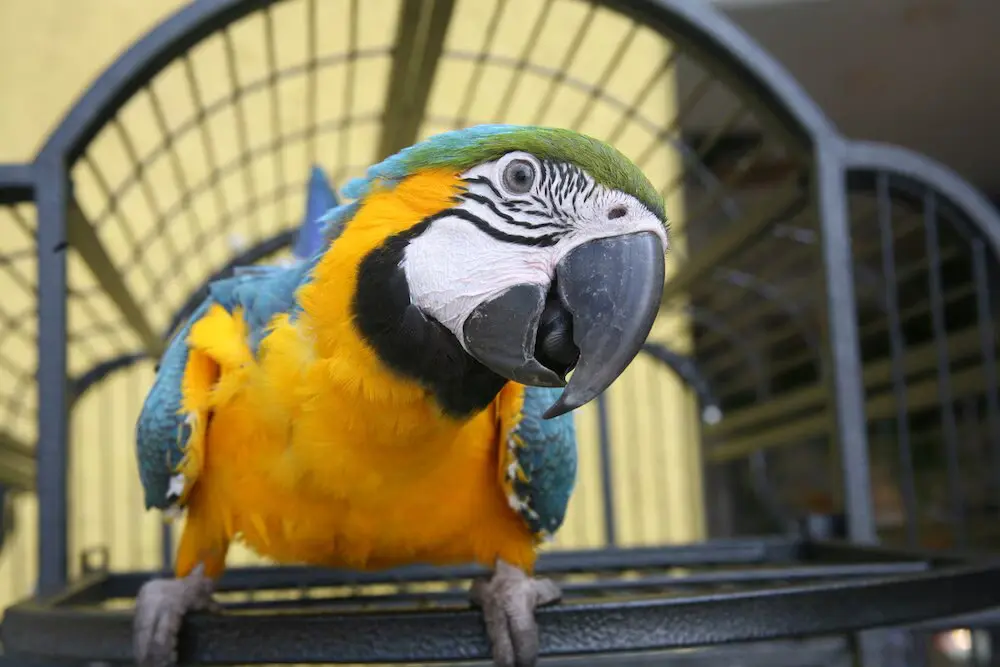
Choosing a first bird can be exciting, but it can also feel overwhelming when you discover how many pet parrot species are available. Parrots differ greatly in size, personality, noise level, social needs, lifespan, and care requirements. A bird that suits an experienced owner may be challenging for someone bringing home a feathered companion for the first time.
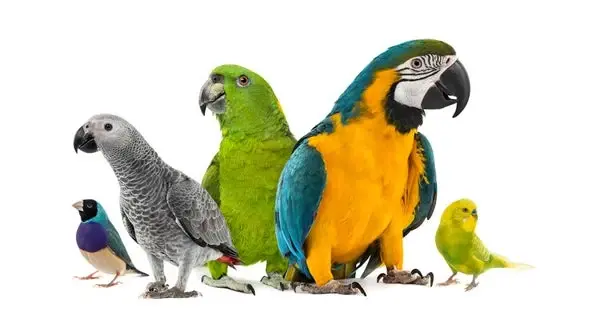
The good news is that several pet parrot species can make excellent companions when their needs match the owner’s lifestyle. All Pet Birds similarly organizes parrots by size, including small, medium, large, and extra-large birds, which is a useful starting point for beginners.
In this guide, we’ll look at some of the best pet parrot species for beginners, what makes them suitable, and what you should consider before bringing one home.
Content
What Makes a Parrot Good for Beginners?
Not every parrot is equally easy to manage. When comparing pet parrot species, look beyond appearance or talking ability. A good beginner bird should have a temperament and care level that fits your daily routine.
Consider these factors:
- Temperament: Friendly, adaptable birds are generally easier for new owners.
- Size: Smaller birds usually require less living space, although they still need an appropriately sized cage and daily activity.
- Noise: Some parrots are considerably louder than others.
- Social needs: Parrots are intelligent social animals and need interaction and enrichment.
- Training: A bird that responds well to gentle, consistent training can be easier to handle.
- Lifespan: Owning a parrot can be a long-term commitment.
- Diet: Different species can have different nutritional requirements.
For example, VCA Animal Hospitals recommends choosing an appropriately sized cage that allows a bird to move comfortably, stretch, and flap its wings.
Best Pet Parrot Species for Beginners
1. Cockatiel
Among pet parrot species, the cockatiel is one of the most approachable choices for a first-time owner. These birds are generally known for their gentle personalities, playful behavior, whistling ability, and manageable size.
All Pet Birds describes cockatiels parrot as intelligent, easy to care for, trainable, family-friendly, and quiet enough for apartment living.
If you are bringing home a cockatiel for the first time, learning How to Tame a Cockatiel can help you build trust gradually. Start with calm interaction, allow the bird time to settle into its new environment, and use treats and positive reinforcement to encourage comfortable handling. Avoid forcing your cockatiel to step onto your hand, as patience helps create a stronger bond.
Best for: First-time owners, families, and people wanting a friendly companion bird.
2. Budgerigar (Budgie)
Budgerigars, commonly called budgies or parakeets, are another excellent choice among pet parrot species for beginners. Their small size makes them easier to accommodate than large parrots, and many can learn sounds and words with patient training.
Their size should not be confused with simplicity, however. A budgie still needs a suitable cage, balanced nutrition, toys, exercise, social interaction, and routine care.
Best for: Beginners with limited space who want an active and entertaining small bird.
3. Parrotlet
Parrotlets are tiny birds with surprisingly bold personalities. All Pet Birds describes them as playful, intelligent, outgoing, affectionate, and capable of learning tricks and words.
Among pet parrot species, parrotlets are interesting because they combine a very small body with many classic parrot behaviors. Their compact size can make them appealing to people living in smaller homes.
However, don’t assume a tiny bird requires little attention. Parrotlets benefit from regular handling and socialization. Without appropriate interaction, they may become territorial, nippy, or strongly attached to one person.
Best for: Owners who want a small bird but can provide consistent daily interaction.
4. Lovebird
Lovebirds are small, colorful parrots known for their energetic personalities. They can be affectionate and entertaining when properly socialized.
For beginners considering pet parrot species, lovebirds can be appealing because they do not require the physical space of a large parrot. Still, they are active and intelligent, so they need toys, enrichment, safe exercise, and regular interaction.
A common beginner mistake is choosing a bird based only on its appearance. Spend time learning about its personality and daily requirements before making a decision.
Best for: Active owners who enjoy playful, interactive small birds.
5. Pionus Parrot
If you want something larger than a budgie or cockatiel but are not ready for a giant parrot, a Pionus may be worth researching. Pionus parrots are included among the medium-sized parrots in All Pet Birds’ classification.
They can offer the experience of living with a medium-sized companion parrot while avoiding some of the extreme size and intensity associated with the largest parrots.
However, medium-sized birds still require considerable commitment. A prospective owner should evaluate cage space, daily interaction, noise tolerance, diet, and access to an avian veterinarian before choosing one.
Best for: Experienced beginners who have enough space and time for a medium-sized companion.
Pet Parrot Species Comparison
Here is a simple way to compare common beginner options:
| Species | Size | Personality | Beginner Suitability |
|---|---|---|---|
| Cockatiel | Small | Gentle, playful | Excellent |
| Budgie | Small | Active, social | Excellent |
| Parrotlet | Very small | Bold, playful | Good with socialization |
| Lovebird | Small | Energetic, affectionate | Good |
| Pionus | Medium | Companionable, calmer | Moderate |
Remember that these are general tendencies, not guarantees. Individual birds can behave very differently from the typical description.
How to Choose a Pet Parrot Species
Learning how to choose a pet parrot species starts with looking honestly at your lifestyle.
Ask yourself:
How much time can I spend with my bird?
Some parrots can become bored or develop behavioral problems when they receive too little interaction and enrichment. VCA notes that pet birds need opportunities for stimulation because captivity can limit natural activities such as foraging and exploration.
How much space do I have?
Your bird needs more than a decorative cage. The enclosure should allow comfortable movement, stretching, and wing activity.
Can I tolerate noise?
Even relatively quiet pet parrot species can vocalize. Consider your neighbors and household before choosing a bird.
Can I commit for the long term?
A parrot is not a short-term pet. Research the expected lifespan and financial commitment before buying or adopting.
Can I provide veterinary care?
A new bird should be examined by a veterinarian experienced with birds. VCA specifically recommends finding a qualified avian veterinarian for new-bird care.
Real-Life Case Study: A First-Time Cockatiel Owner
A useful real-world example comes from a first-time cockatiel owner who shared their experience after bringing home a young bird. The owner initially worried because the bird avoided their hand and sometimes bit when they attempted to handle it. With patience, calm interaction, and time to adjust, the bird gradually became more comfortable around the owner.
This story highlights an important lesson when choosing pet parrot species: even a beginner-friendly species does not automatically mean an instantly tame bird. Personality, previous handling, age, and environment all matter.
A newer owner should therefore focus on building trust rather than expecting immediate cuddling or talking. That patience often makes the relationship much more rewarding.
Common Beginner Mistakes to Avoid
When researching pet parrot species, avoid these common mistakes:
- Choosing by appearance alone: A beautiful bird may have care requirements that don’t suit your lifestyle.
- Underestimating noise: Research normal vocal behavior before bringing a bird home.
- Buying a tiny cage: Small parrots still need room to move and exercise.
- Ignoring enrichment: Toys, foraging opportunities, training, and interaction help prevent boredom.
- Changing food suddenly: New birds may need gradual dietary transitions.
- Expecting instant trust: Bonding takes time and patience.
- Skipping veterinary care: Establish a relationship with an avian veterinarian.
Which Pet Parrot Species Is Best for You?
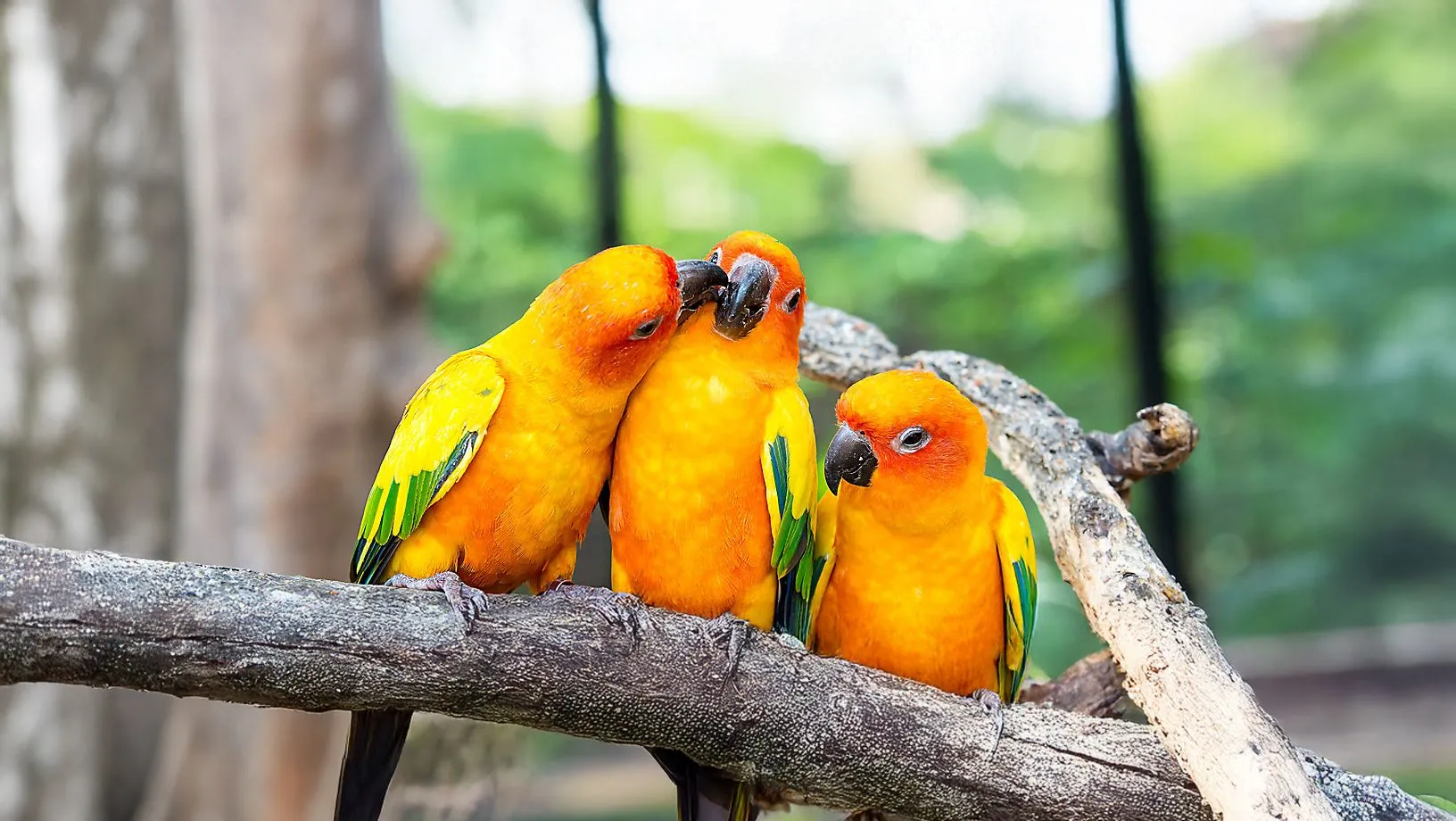
There is no single winner for every household. For many first-time owners, cockatiels and budgies are excellent starting points because they combine manageable size with engaging personalities. Parrotlets and lovebirds can also be rewarding for owners who understand their social and behavioral needs.
If you have more space and want a medium-sized companion, a Pionus may be worth investigating. The best choice ultimately depends on your time, home environment, budget, noise tolerance, and willingness to provide daily care.
The most important lesson is simple: choose the bird that fits your lifestyle, not merely the bird that looks most attractive in a photo.
Final Thoughts
The right pet parrot species can become a wonderful companion, but choosing one should be based on responsible research rather than appearance or talking ability alone. Cockatiels, budgies, parrotlets, lovebirds, and some Pionus parrots can all be worth considering depending on the owner’s experience and lifestyle.
Before bringing home one of these pet parrot species, prepare the cage, research nutrition, identify an avian veterinarian, and learn basic bird behavior. Most importantly, give your new companion time to trust you.
When you choose carefully and provide consistent care, your first parrot can become far more than a pet—it can become a genuine member of your household.
FAQs About Pet Parrot Species
What is the easiest parrot species to keep as a pet?
Budgies and cockatiels are often among the most approachable options for beginners, but individual temperament and care needs should always be considered.
What are the best small parrot species for beginners?
Budgies, cockatiels, parrotlets, and lovebirds are popular small options. Each has different social, behavioral, and care requirements.
What are the best talking parrot species for beginners?
Some budgies, cockatiels, and parrotlets can learn words or mimic sounds, although talking ability varies considerably between individual birds.
Are parrots good pets for first-time owners?
Yes, some parrots can be excellent companions for beginners, provided owners understand their social, dietary, housing, training, and veterinary needs.
How should I choose a pet parrot species?
Compare temperament, size, noise, lifespan, space requirements, social needs, diet, and your available time before making a decision.

Patrick Bravo takes readers on a heartwarming journey through the world of pet adoption. He champions shelter animals, shares inspiring rescue stories, and encourages families to open their hearts and homes to pets in need.